Home Level 2 vs public DC fast charging for a 40-mile day: which bill is smaller after a month

Sofia Reyes
September 23, 2026
Forty miles a day is not a road-trip problem. It is a commute-and-errands problem: roughly 800–1,200 miles a month depending on weekends, or about 250–400 kWh of wall energy for a typical efficient EV once you include charging losses. The question is where those kilowatt-hours come from — a home Level 2 charger on your residential rate, or public DC fast charging on network pricing — and which invoice is smaller after a month of living that pattern.
For most drivers who can plug in at home, Level 2 wins the monthly bill by a wide margin. DC fast charging wins on time and on days you cannot charge overnight. The interesting part is the edge cases: apartments, high residential rates, idle fees, memberships, and the habit of “topping up at the grocery DCFC because it is convenient.”
Rough energy math for a 40-mile day
Assume 3.0–3.5 miles per kWh at the wheels for a compact EV in mixed driving, then add ~10–15% for charging losses. A working figure many households can use: about 12–15 kWh from the wall per 40-mile day. At 30 days of that pattern, call it 360–450 kWh per month. Your car’s trip meter and a Kill-A-Watt or utility EV rate will refine the number; the comparison only needs the same kWh on both sides.
Home Level 2 at $0.12–0.20/kWh (common U.S. residential band, wildly variable by utility and TOU plan) puts the electricity near $45–90/month for that energy. Public DCFC at $0.40–0.70/kWh (also wildly variable) puts the same energy near $150–300/month before idle fees and membership discounts. That gap is the whole story for people with reliable home access.

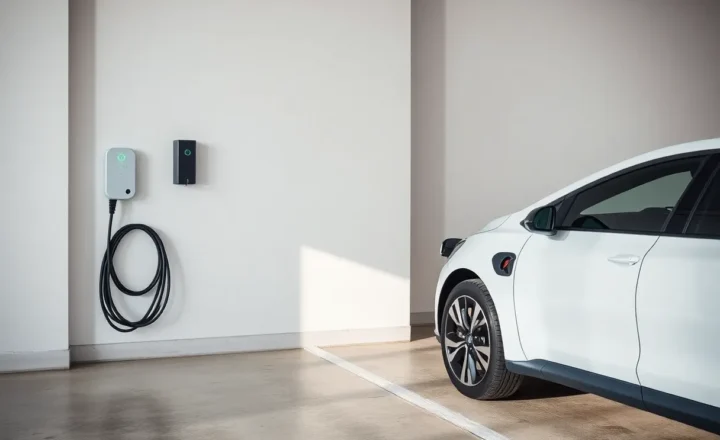
What “Level 2 at home” actually costs
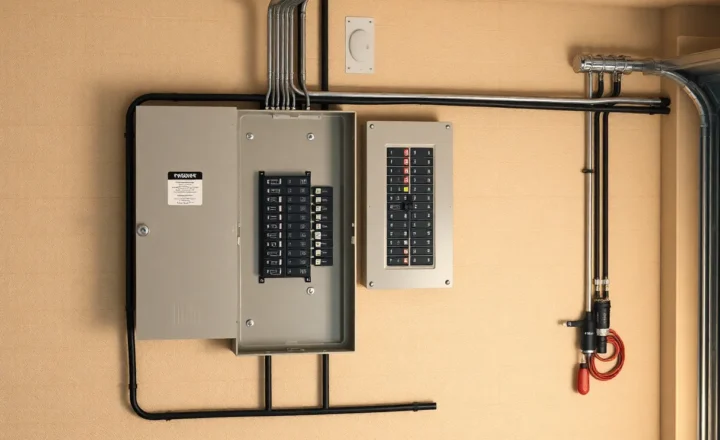
Energy is the recurring line. Hardware and install are amortized: a hardwired 240 V EVSE might be a few hundred dollars for the unit and more for electrician work if a circuit must be added. Spread over years of commuting, install often shrinks to pennies per day — unless you rent and cannot recover the install when you move.
Time-of-use plans change the math. Overnight off-peak home charging can undercut even “cheap” flat residential rates. Peak-hour home charging after work can erase part of the advantage if your utility punishes 5–9 p.m. hard. The fix is scheduling: charge after 11 p.m., not the moment you pull in during peak.
Home charging is also slow enough that you are not paying for speed. You buy energy at retail power prices, not at “minutes saved” prices.
What public DC fast charging actually costs
DCFC sells convenience and power. Per-kWh rates are higher because the equipment, land, networking, and utilization have to be paid for. Session fees, per-minute pricing on some networks, and idle fees after a full charge add variance. A membership may lower the per-kWh rate enough to matter if you are a heavy public user — still rarely enough to beat home overnight power for 40-mile days.
Behavioral cost matters. If DCFC is on the way and home is a parking lottery, you may public-charge more than the spreadsheet predicts. Idle fees punish shopping while plugged in. App prepaid balances obscure the monthly total until you add them up.

A month of 40-mile days: worked comparison
Take 400 kWh/month from the wall.
- Home @ $0.15/kWh → $60
- DCFC @ $0.50/kWh → $200
- Mixed 80% home / 20% DCFC → $60×0.8 + $200×0.2 = $88
Even with a pessimistic home rate of $0.25/kWh ($100) versus an optimistic DCFC of $0.35/kWh ($140), home still wins for pure energy. Flip the verdict only if home is unavailable or billed through a punitive commercial parking arrangement that effectively charges DCFC-like rates for “home” parking.
Gasoline comparisons are a separate pep talk. This article’s fork is home L2 versus public DC for the same EV miles.
When DCFC can still be the smaller “bill” in practice
Not smaller in dollars per kWh — smaller in total life cost when you count time, missed work, or hotel nights. For a pure 40-mile daily pattern with home access, that almost never applies. It applies when:
- You cannot charge at home or work (street parking, landlord refusal)
- Your only “home” rate is a commercial lot with outrageous per-hour EV fees
- You already pay a DCFC subscription you would pay anyway and home install is impossible
Then the monthly public bill is simply the cost of owning an EV without a plug. It will hurt compared with a plugged-in neighbor. It may still beat gasoline depending on local prices — different comparison.
Battery and habit footnotes (without derailing the bill)
Daily 40-mile DCFC is harder on schedule and often nudges people to sit at higher states of charge. Home Level 2 overnight makes it easy to keep a mid-SOC habit. Battery longevity is not the main monthly bill line, but it is a quiet second ledger. When you do need a rare public DC stop on a long day, battery preconditioning before DC fast charging matters more than chasing a peak-kW sticker — but for a plain 40-mile commute you should not need daily DC if home works.
If you do mix in occasional DC for long days, that spike should be a few sessions a month — not the default refill. On those days, the cost gap is something you choose for speed, not something you should normalize for the other twenty weekdays.
Also watch membership psychology. A discounted DCFC rate still loses to home power for commute volumes; the membership only helps when home is unavailable. Paying monthly dues “so the app is cheaper” while still charging overnight at home is usually wasted subscription money.
Seasonal travel weeks will blow up a tidy commute average. Keep a separate line item for vacation DCFC so you do not conclude home charging “failed” when you drove 1,200 miles in eight days.
How to know your real numbers in one month
- Track odometer miles and kWh added (car screen or charger app).
- Separate home kWh (utility EV meter or charger energy report) from public session receipts.
- Include idle fees and membership amortization.
- Compare cost per mile, not vibes.
If public energy is more than ~2× your home rate for the same miles, every public session you can replace with overnight L2 is free money.
Workplace charging muddies the spreadsheet — helpfully
Free or cheap Level 2 at work can beat home overnight if your residential rate is high. It can also make public DC look especially wasteful: why pay DCFC prices for commute top-ups when the office pedestal is empty after 10 a.m.? Count workplace kWh as a third bucket in your month so you do not credit “home” for energy that never hit your utility bill.
Apartment “home” charging that is metered through a landlord’s commercial account may price closer to public power than to residential TOU. Read the lease addendum. A $0.45/kWh “convenience charger” in the garage is not Level 2 magic — it is private DCFC-adjacent pricing at AC speeds.
Credit-card cash-back and network promotions change little at 40-mile/day volumes compared with the home-versus-DC rate gap. Do not let a $10 credit obscure a $100 energy delta.
Cold-weather months raise kWh/mile for everyone; they do not flip the ranking unless your only heat-preserving strategy is daily DC with cabin-on sessions that also burn idle fees. Precondition while plugged in at home when you can — that energy is still usually cheaper than public DC.
One more honest accounting trick: include the amortized cost of the home EVSE only if you would not have bought it otherwise. If the charger is already installed, the marginal cost of the next commute month is almost pure energy. If you are deciding whether to install just to escape DCFC for 40-mile days, run payback: install cost divided by the monthly gap between public and home energy. Many households clear that hurdle in under two years at commute volumes; apartments that forbid install never clear it and should pressure building management instead of pretending public DC is “fine.”
Bottom line
For a 40-mile day repeated across a month, home Level 2 almost always produces the smaller electricity bill than public DC fast charging — often by a factor of two to four on energy alone. DC is the tool for speed and for plugless living, not for cheap daily refill.
If you have a plug, schedule Level 2 on the cheapest TOU window and treat DCFC as exception mileage. If you do not have a plug, the “bill” question is really a housing question — and the spreadsheet will keep answering “expensive” until the cord reaches your parking spot. Forty miles a day is easy math once the plug exists; without it, every month is a public-pricing month. Get the cord first, then argue about charging networks later.