Sidekick eSIM vs a Cheap Second Line: When Your Daily Phone Shouldn’t Hold the Travel Number

Sofia Maren
September 18, 2026
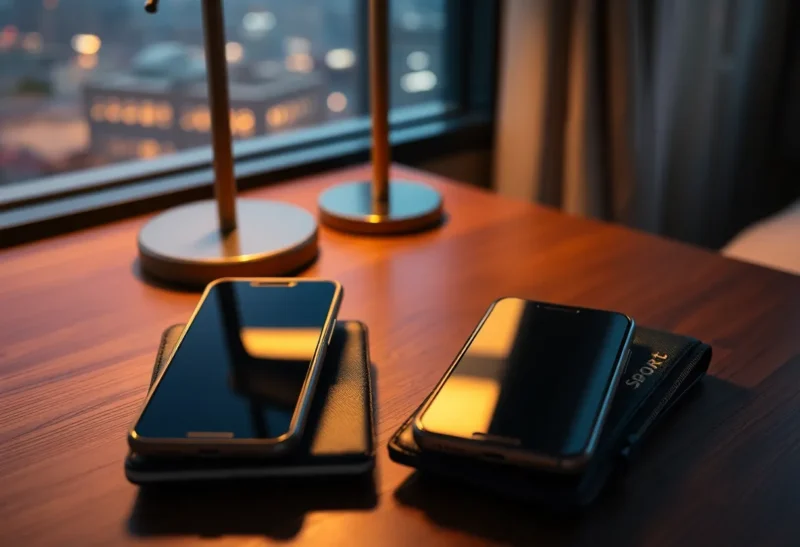
The default travel move in 2026 is an eSIM on the phone you already unlock fifty times a day. Airalo, Nomad, Holafly, a carrier travel pack — second line, data in an hour, no kiosk. It is also how a hotel Wi-Fi portal, a scooter app, and a lost-bag desk get a number that is bound to your bank 2FA, your work profile, and the SIM your family actually knows. I still do this when the trip is short and I am lazy. I stop doing it when the travel number should be allowed to die in a drawer.
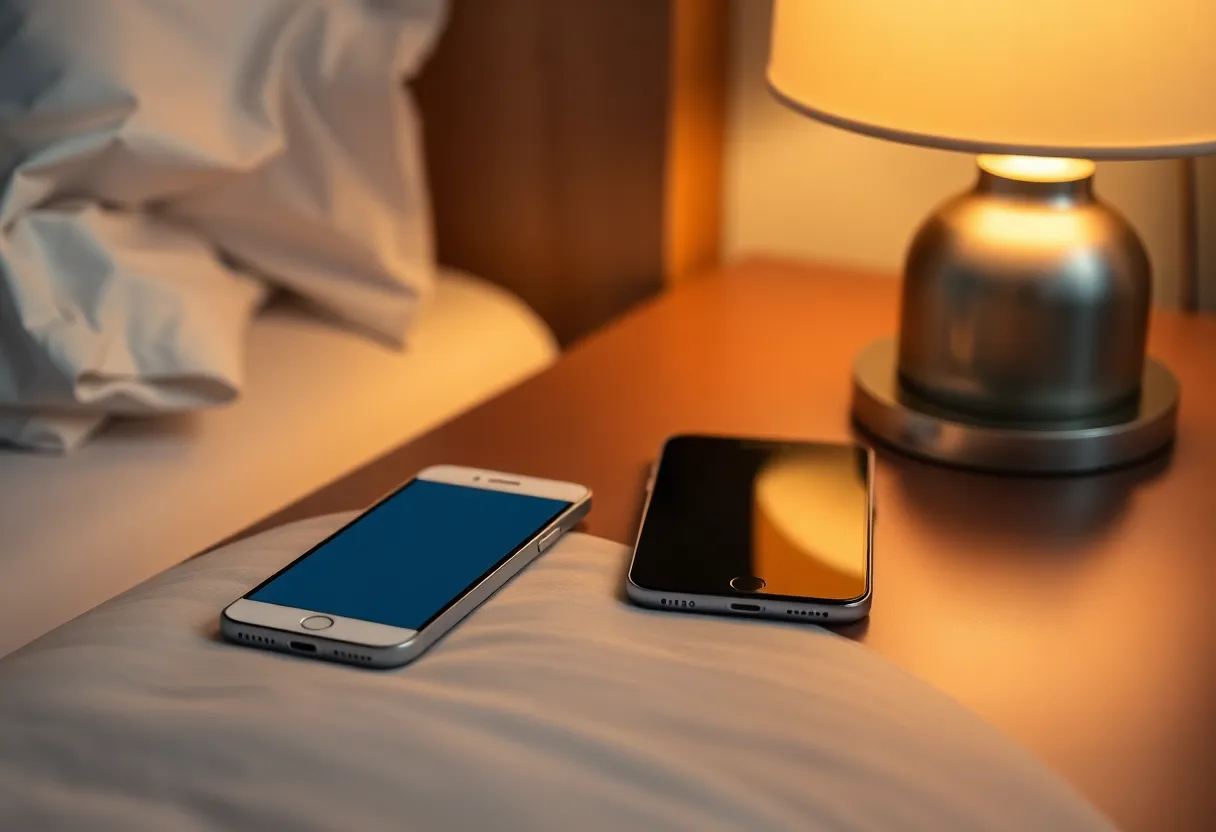
A sidekick eSIM means: a cheap second handset that only exists to hold the trip. A cheap second line means: a prepaid physical SIM or a local eSIM on that sidekick, or even a candy-bar that can take a tray. The daily phone keeps the life number. The travel number can be abandoned, stolen, or left in a hostel locker without taking your authenticator SMS with it.
What goes wrong when the daily phone holds the trip
Dual-SIM on a Pixel or iPhone is polished now. You label lines Personal and Travel. You set data to the eSIM. You forget that SMS, iMessage, RCS, and WhatsApp each have their own idea of which number you are. A 2FA text from the bank still lands on the home line — unless the bank has the travel number because you typed it into a restaurant waitlist. A work MDM profile still sees a new interface. Some VPNs and some “this network looks new” prompts fire because the eSIM changed the default route.
The failure I care about is not “data was slow.” It is “both lives are in one glass slab.” Lose the phone in a taxi and you lose the number your kids call and the number you gave the rental desk. Restore from iCloud and the eSIM may come back, or it may not, depending on the carrier’s eSIM transfer mood that week. I have stood in an airport doing an eSIM reinstall while also trying to get a home-number SMS for the Apple ID that would let me reinstall the eSIM. That knot only exists because one device was both passports.
There is a quieter version. You keep the travel eSIM after you fly home “for next time.” It sits, it expires, it auto-renews on a card you forgot, or it starts using the home line for data because you toggled the wrong default in a Focus. The cheap second line would have been in a pouch.
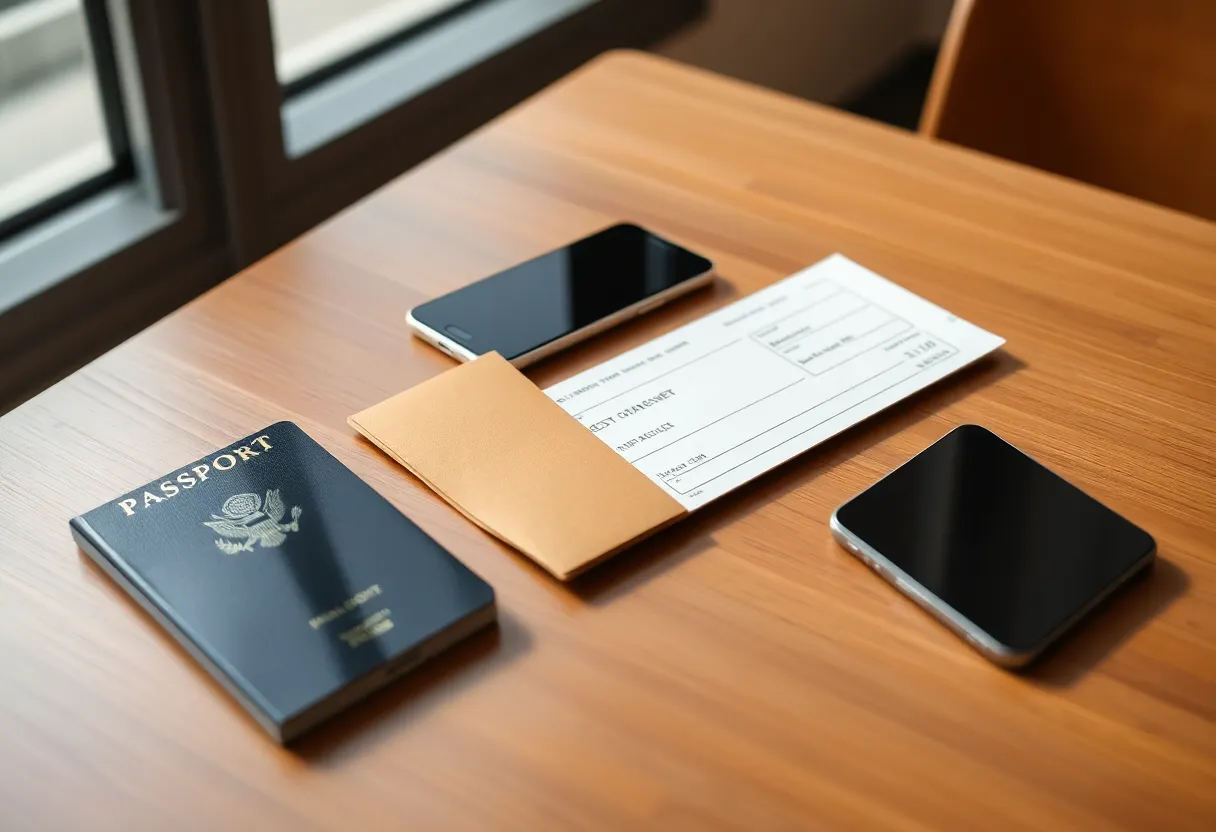
The sidekick: ugly, enough, and allowed to vanish
I pack a tray phone when the first night might have no Wi-Fi. That is not nostalgia. eSIM install still wants a QR or an app, which still wants data or a café. A $40 Android with a local SIM from the official shop is a number you can hand to a driver without it being the number on your mortgage.
The sidekick can be eSIM-only if you already have Wi-Fi at the hotel and you accept that night-one is a laptop hotspot problem. It can be a tray if you do not. What it should not be is your daily driver with a second line “because the hardware supports it.” Hardware support is not an architecture.
Battery, camera, and banking apps will be worse on the cheap phone. Good. You will not live on it. You will navigate, take a SIM-registration selfie if the country wants one, and leave it in the room safe when you go to dinner if that is the threat model. The daily phone stays on hotel Wi-Fi or on a data eSIM that is data only with no number, if you even need that.
Data-only eSIM on the daily phone plus a numbered sidekick is the split I like for a two-week trip. Maps and mail on the good screen. Voice and local OTPs on the junk screen. People collapse those because one QR is easier than two devices. Easier is how you explain the number to a stranger and to your bank in the same afternoon.
A cheap second line on the same phone is still the same phone
If the constraint is “I will not carry two slabs,” a second line on the daily device is the grown-up compromise. Then treat it like a costume, not like a life:
- Do not move banking SMS to the travel line.
- Do not sign in to WhatsApp on the travel number unless you are willing to migrate back. WhatsApp number changes are a project.
- Turn the travel line off when you sleep in a city where you do not want 3 a.m. promo SMS. Off, not silent. Silent still gives the number to the radio.
- Delete the eSIM when you land home, on purpose, in the airport train. Next trip gets a new QR. Leftover lines are how default-data accidents happen.
- Know which line iMessage is using. Apple’s dual-SIM story is better than it was and still good at surprising you in a group thread.
That list is why I still prefer a sidekick when the trip is long, the country wants ID-linked SIMs, or work owns the daily phone. MDM and a tourist eSIM on one handset is a ticket I have seen IT close by wiping the device. Your travel photos can live in another argument. Your access badge should not.
Countries that make the daily phone a worse idea
Some places want a passport photo bound to the SIM at a staffed counter. Doing that dance on the phone that also holds your work mail means a clerk has handled the device that unlocks your life. I would rather hand them the sidekick. Some places still like a physical SIM for the prepaid that actually works in the metro. Your eSIM-only daily cannot take that plastic. The sidekick can.
Other places are fine with a QR in a rideshare and hostile to a foreign number that keeps roaming. If the home line is set to “allow roaming” because you were afraid of missing a 2FA, you will pay for a background app that ignored the travel eSIM. I have a screenshot of a $40 “help” charge from a messaging app that used the home line for ten megabytes. The sidekick would have had no home line to bill.
Registration windows matter. If you land at 11 p.m. and the official SIM shop is closed, the daily-phone eSIM you bought before the flight is the sane path for night one. Buy it as data-only if you can. Add a numbered line in the morning on the cheap phone. Do not merge those steps because you want a single QR in your photos album.
When the sidekick is the wrong extra
A second phone is another battery, another theft target, another thing to charge from a single adapter. For a 48-hour city hop, I will not pack it. I will put a data eSIM on the daily phone, keep the home number for voice, and not give the home number to anyone I meet. Hotel can have email. That is a discipline problem, not a hardware problem.
If you already live on an eSIM-only daily — no tray — the sidekick earns more, not less. You cannot fall back to a plastic SIM at the kiosk on the good phone. Night one without Wi-Fi is a brick for provisioning. The tray handset is the provisioner. I have written about that tray-gone world. This piece is the other half: even when the daily phone can hold the travel number, it often should not.
Families complicate it. A partner who will only remember one number should have the life number. The sidekick number is for logistics. Do not make grandma learn a roaming line that dies on Tuesday.
Cost, honestly
A travel eSIM on the daily phone is often cheaper than a second handset you use twice a year. A cheap second line from a local prepaid can be cheaper than the eSIM brands if you stay long enough to want a real number. The sidekick hardware is the line item people skip in the comparison and then buy at the airport for panic prices.
I keep a known-good cheap Android in a drawer. Amortized over three trips it is free compared to one lost-phone week. If you do not already own it, do not buy flagship. Buy something that can take a SIM, run Maps, and be left behind.
The rule I actually use
If losing the travel number should be annoying, put it on the daily phone. If losing the travel number should be irrelevant, put it on a sidekick or a prepaid you can crush. If work or banking lives on the daily phone, the travel number is not a sticker you add in the carrier app. It is a second identity. Give it a second piece of glass, or accept that you merged identities because the QR was pretty.
I travel with eSIM-only phones and I still pack a tray handset when the first night might have no Wi-Fi. I also pack it when the daily phone is too important to wear a tourist number. Dual-number failures are not about miles. They are about which line you can afford to have printed on a stranger’s clipboard. The daily phone is usually the wrong clipboard.