Supernote A5 X2 vs A6 X2: Why the Smaller Page Breaks Long-Form Notes

Felix Arden
August 25, 2026
Supernote’s software is the reason people stay. The A5 X2 and A6 X2 run the same religion: ceramic nibs, digest, links, a file model that is less hostile than Kindle notebooks. The difference that wrecks long-form work is not firmware. It is the page. I wrote on an A6 X2 for four months and told myself I was being portable. I was being fragmented. Sentences that needed a landscape of paper kept wrapping into a stack of postage stamps.
This is not a claim that the A6 is a bad device. It is a claim that “same software, smaller body” is a lie when the job is long-form notes. A smaller page changes how you outline, how you draw a diagram, and how often you flip. Flipping is not free in the brain. It is a context switch you pretend is a feature called “pocketable.”
What the two sizes actually are
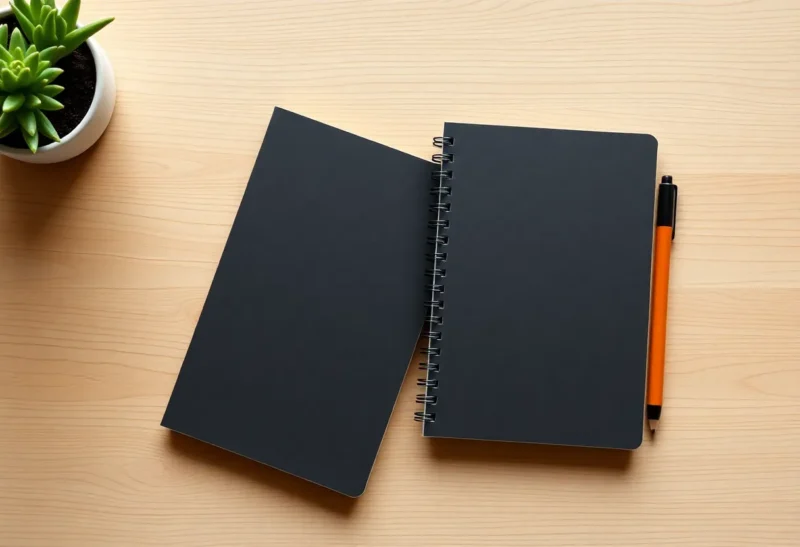
The A5-class Supernote is a desk-and-bag notebook. It sits next to a keyboard and does not look like you brought a toy. The A6-class is the device you can hold in one hand on a train and slip into a jacket if the jacket is honest. If the small one is a second device next to a desk tablet, that is Move versus Nomad as a satellite. Ratta’s naming has wandered across generations; shop the current diagonal and the folio, not a forum memory of an older Nomad.
Software feature lists will match closely enough that a comparison table is boring. Links work. Headings work. Export works in the same slightly precious way. If you are choosing on “does it have digest,” you are choosing wrong. Choose on whether a thought fits on the glass without becoming a flip book.
Long-form is a layout problem
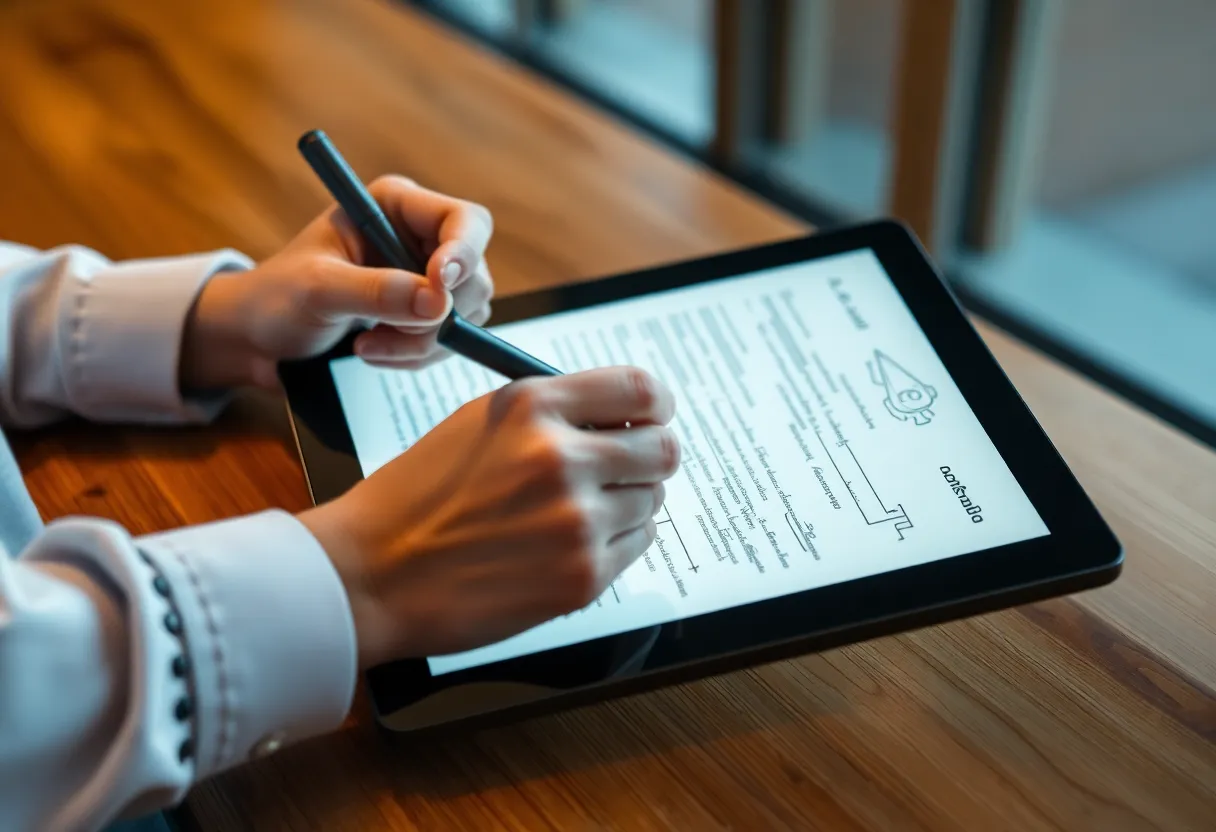
I outline essays with boxes and arrows. On A5, a section lives next to its sibling. I can see the argument. On A6, the same outline becomes a vertical list I have to scroll or paginate. I start writing smaller. Smaller handwriting on e-ink is how you create notes you will not reread. I did that for a month before I admitted the page was bullying the work.
Meeting notes are more forgiving. A standup fits on a small page. A strategy meeting with two diagrams and a decision log does not. I kept starting a “continued” page and then failing to link it with the care the software allows. The feature existed. My discipline did not. A larger page is cheaper than discipline.
Reading a PDF is the other long-form. A paper on A5 is tight and usable. On A6 you zoom, pan, and lose the figure. Pocket e-ink is a reader of novels and a fighter of two-column PDFs. If your notes are reactions in the margin of papers, the A6 is a compromise you will feel in your neck.
Carry culture versus sit culture
The A6 wins days you are not at a desk. A clinic waiting room, a commute, a conference hallway. You will take more notes because the device is there. That is the honest A6 pitch. Capture volume goes up. Capture quality per page goes down. If your system is “inbox now, rewrite later on a laptop,” A6 is a superb inbox. If your system is “the notebook is the draft,” A6 is a blender.
The A5 wins days you sit. It is heavier in a city bag. I notice it. I also notice that I do not rewrite the same outline three times because I can see it. Sit culture is how long-form actually happens for me. I was pretending I was a hallway writer. I am a table writer who wanted a lighter bag.
Two devices is the luxury answer: A6 for capture, A5 for development. I tried it. I then had two incomplete brains and a linking problem between them. Supernote’s cloud and USB can move files. They cannot make you open the right slab. I would rather pick the page that matches the job I care about more.

Handwriting, rulers, and the false economy of tiny lines
Templates on a small page invite narrow ruled lines. You fill them with a script that looks neat in a photo and dies when you search later. OCR and digest want cleaner, larger letters. The A5 lets me write at a human size and still fit a paragraph. The A6 asks me to choose between a paragraph and a margin thought. I chose badly, often.
Diagrams are the tell. A boxes-and-arrows sketch of a system needs width. On A6 I draw a cramped cartoon and tell myself I will redraw it. I do not redraw it. The cartoon becomes the record. On A5 the first sketch is often good enough to keep. That is not romance. That is surface area.
The pen is the same family. Feel is not the differentiator. I have said that in other comparisons and I will say it again: people over-index on nibs and under-index on whether a sentence fits.
Export, digest, and the page as an object
When I export a long A6 notebook, I get more pages of less. PDFs become flipbooks. Sharing with someone who will print is embarrassing: you have produced a pamphlet of fragments. A5 exports look like a notebook a human meant. That matters if the file leaves the device.
Digest and keywords still work on both. They do not reassemble a thought you split across six small pages without links. I am sloppy with links when I am tired. Tired is when I take notes. Therefore I want fewer pages per thought. That sentence is the review.
Battery, folio, and the bag lie
A6 battery life is easy to ignore. A5 is still e-ink easy, with more panel to light. Neither is an iPad. Folios add the real bulk. An A5 in a thin folio can beat an A6 in a padded folio-plus-pen-holder that you bought because the device felt precious. Weigh the dressed device, not the naked slab.
The bag lie is “I will carry A5 every day.” Some people will. I carry A5 on desk days and a phone on errand days. The A6 is for people who truly write on errand days. Be honest about your last two weeks of notes, not your identity as a note-taker.
Who should buy which, without a vibe
Buy A6 X2 if capture on the move is the job, novels and short notes are most of the corpus, and you rewrite on a computer. Buy it if an A5 has already stayed on the desk while you left the house. Buy it as a second device only if you have a rule for what lives where.
Buy A5 X2 if long-form notes, outlines, and PDFs with figures are the job. Buy it if you sit. Buy it if you have already watched your handwriting shrink to please a small glass. Buy it if you will export and share.
Do not buy A6 to save money and then spend the savings on a second tablet when the pages feel cramped. Price the A5 first if long-form is why you want a Supernote at all. The software is the same. The thinking is not.
A week of notes as a test, not a vibe
Before you buy, print or screenshot seven days of notes you already took on paper or on a phone. If most pages are short lists, A6 will feel like relief. If most pages are two diagrams and a paragraph that refers to both, A6 will feel like a trap you paid for. I did this test after I already owned the small one. That is the expensive order.
Borrowing is better. A shop that will let you write a full page on both sizes is worth a trip. Write the same ugly outline twice. Time how often you turn the page. If you turn twice as often on A6, that is not “engagement.” That is fragmentation you will normalize until a draft dies.
Partners and colleagues see exports. I have sent an A6 PDF of a workshop and watched someone squint. The content was fine. The page was a thumbnail of a thought. Professional notes have a social size. A5 respects it. A6 asks the recipient to pinch-zoom a notebook. They will not.
The switch I should have made sooner
I moved my essay drafts to A5 and left the A6 for grocery lists and quotes. The drafts got longer in a good way. I stopped flipping to find the thesis. The smaller page had been chopping the work into a podcast of interruptions.
If you are shopping a first Supernote for writing, not for a pocket flex, start with A5. You can romanticize portability after you have a pile of pages that still look like thoughts. The A6 is a wonderful small notebook. It is a poor small essay. Ratta will sell you either with the same firmware smile. The glass area is the only honest spec in the comparison. Measure your last real note against that glass before you click buy. If the note does not fit without shrinking your hand, the smaller model is already telling you no.