reMarkable Move vs Supernote Nomad: Pocket E-Ink When You Already Own a Desk Tablet

Martin Quill
August 25, 2026
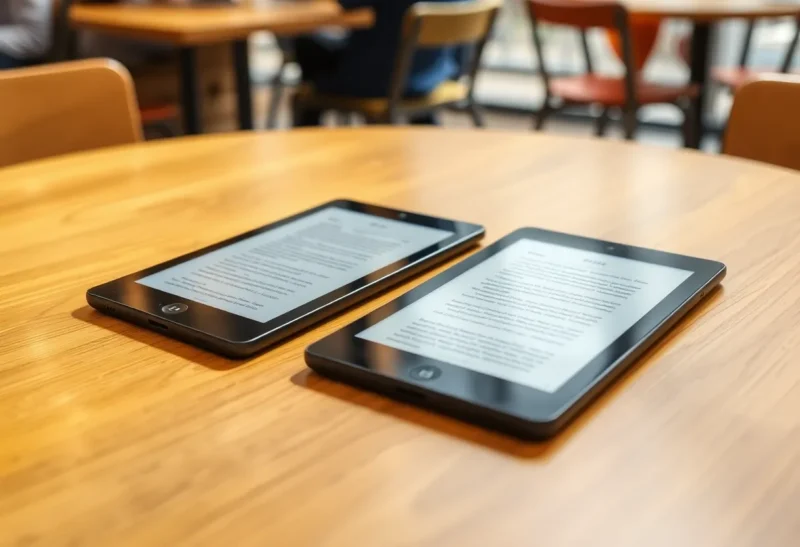
A pocket e-ink tablet is easy to justify if it is your only slab. It is harder to justify if a Paper Pro or an A5 already lives on the desk. If you are still choosing the desk tablet, start with Paper Pro versus Nomad on feel or Supernote versus Kindle Scribe; this piece is only the satellite. I bought small anyway, twice, because the desk tablet stayed on the desk. The question was not “which pocket device is nicest in a vacuum.” It was which pocket device talks to the brain I already paid for, and which one creates a second notebook I will abandon.
reMarkable Move and Supernote Nomad sit in that second-device slot. Both are small writing-first e-ink, not Palma-class phones pretending to be books. Move wants to be a reMarkable that leaves the house. Nomad wants to be a Supernote that fits a jacket. If you already own the big sibling, you are buying a satellite. Satellites fail when the orbit does not sync.
The job is capture, not a second library
If you already have a desk tablet, do not buy a pocket one to reread your archive. Buy it to catch a thought in a hallway and land that thought on the desk later. That landing is the product. Hardware feel is how you decide whether you will capture at all.
I failed this job with a generic Android mini e-ink that could do everything. It did email. It did not do the hallway. Move and Nomad are better because they are worse computers. Worse computers get used as notebooks.
Move: the satellite that stays in the family
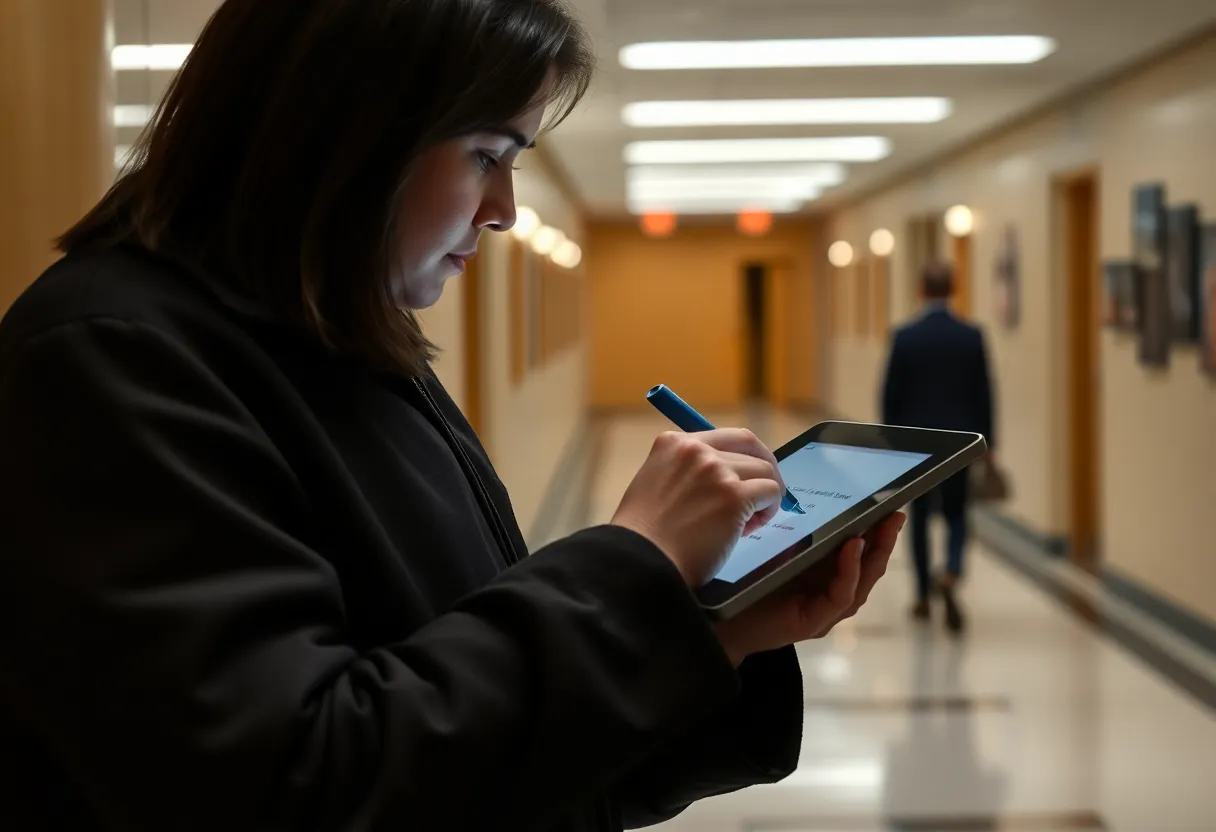
If the desk tablet is a reMarkable, Move is the least intellectually honest extra purchase and the most operationally honest. Same cloud, same notebook objects, same Connect story you already resented and paid. A page you start on the train can be the same object you finish at the desk, if you stay inside their system and you do not invent a second folder religion.
That is the pitch. The risk is Connect becoming twice as load-bearing. You now have two devices that feel incomplete on USB-only. I would not buy Move as a way to escape the subscription. I would buy it as a way to use the subscription in more rooms.
Writing feel is reMarkable-shaped: dry, limited, focused. The small page has the same long-form problem I have complained about on A6. For capture — a name, a sketch, a three-line decision — the page is enough. For an essay, take the desk.
If your desk tablet is not a reMarkable, Move is a new religion. You will export PDFs and pretend that is sync. It is a copy. Copies drift. I would not start a second closed ecosystem just because the hardware is cute.
Nomad: the satellite with a better file story
If the desk tablet is a Supernote, Nomad is the matching moon. Digests, links, and the file model you already learned travel with you. The small page still fragments long-form. The software at least lets you link the fragment to a larger notebook you will open tonight. I am more likely to follow a Supernote link than I am to merge two reMarkable PDFs by hand.
If the desk tablet is a reMarkable or a Boox, Nomad is a nicer small writer with an export path, not a true satellite. You will get clean-ish files. You will not get one notebook living in two bodies. Be honest about that before the unboxing.
Nomad’s carry is the reason people evangelize it. It disappears in a bag. Move is also small; the folio culture still adds a brick. Weigh dressed devices. I have “pocket” tablets that only fit a coat I do not wear in summer.
Sync failures I have already paid for
Two devices, one brand, still fail when you edit both offline and believe the cloud is a mind. Last-write-wins is how a hallway note eats a desk paragraph. I treat the pocket device as append-only when I can: new pages, not surgery on the canonical notebook. Merge on the desk. That rule has saved me more than any vendor sync badge.
Crossing brands, I date-stamp exports. 2026-08-25-hallway.pdf lands in a folder the desk tablet or a laptop can see. Ugly. Reliable. If that sounds like too much process, you do not want two tablets. You want to carry the big one, or you want paper.
Connect and Supernote cloud both create the feeling of backup. Feeling is not a restore. I still export important pocket notes the same week. A satellite that only exists in a vendor cloud is a satellite you do not own.
When the second device is a waste
If you have not left the desk tablet at home in a month, you will leave the pocket tablet in a drawer. The purchase does not create a capture habit. It creates guilt. I would spend the money on a better folio for the desk device and a stack of index cards first. Cards land in a photo inbox. It is not elegant. It is cheap and it works.
If your real gap is reading on the go, neither Move nor Nomad is the best dollar. A cheap Kindle or a phone app reads novels. These two are for marks. Marks are why the desk tablet exists. The pocket unit is only for marks you would otherwise lose.
A decision tree that ignores the ads
Desk is reMarkable, and you already pay Connect: Move. Stay in the family. Append-only on the road.
Desk is Supernote: Nomad. Same reason. Do not expect long-form on the small glass.
Desk is Boox or Scribe: think harder. A Nomad gives you a better small writer and a file you can sideload later. A Move gives you a nicer closed notebook and a new export chore. I would take Nomad in that mixed house, or I would take neither and use paper cards.
Desk is nothing yet: do not start with a pocket device if long-form is the dream. Start with the desk size, live with it, then add a satellite if the desk keeps staying home. Starting small trains you to write small.
Pens, pockets, and the social problem
A pocket tablet without a clipped pen is a pocket picture frame. Move and Nomad both assume you will carry the stick. Jacket pockets eat pens. I use a folio that cages the pen or I do not leave the house with the device. Losing a Marker-shaped pen on a train is how a $400 slab becomes a paperweight until you order another protocol-compatible stick.
Meetings have a social size. Pulling out a small e-ink slab looks like a notebook. Pulling out a phone looks like Slack. That is a real reason to own the pocket device even if sync is messy. I have taken better minutes because the object said “I am writing,” not “I am escaping.” If that is your only reason, a $4 reporter pad also works. The e-ink pad wins when those minutes must land in the same system as the desk.
Battery is a non-issue if you treat the pocket slab as a notebook and not a browser. It becomes an issue if you leave Wi-Fi on so the satellite can hover. I sync at the desk or on known Wi-Fi, then I airplane the rest of the day. A satellite that phones home all afternoon is a phone.
Theft and coffee are the other pocket taxes. A desk tablet dies of neglect. A pocket tablet dies of the world. Cases, not pride. I have retired one small slab to a swollen port after a bottle leak. The notes were in the cloud. The week of recapture was not. Append-only plus same-day export would have been cheaper than the story I told myself about being careful.
The pair I would keep
I would keep a desk Supernote and a Nomad if I were all-in on that software, with append-only on the Nomad. I would keep a Paper Pro and a Move if I were all-in on reMarkable and already numb to Connect. I would not mix Move with a Supernote desk or Nomad with a reMarkable desk unless I enjoyed PDF janitor work.
Pocket e-ink when you already own a desk tablet is a workflow purchase. The hardware reviews will talk about grams and latency. Those matter until the first week you have two notebooks and no landing path. Pick the satellite that shares a sky with the planet you already bought. Then write short on the small one on purpose. The desk still owns the long page. That division of labor is the only reason a second slab is not a toy. If you cannot describe the landing path in one sentence, keep the money and carry a card. The card already knows how to be a satellite.