Why Hearing Aid Prices Dropped After Over-the-Counter Rules Changed

Dr. Pamela Sutherland
July 9, 2026
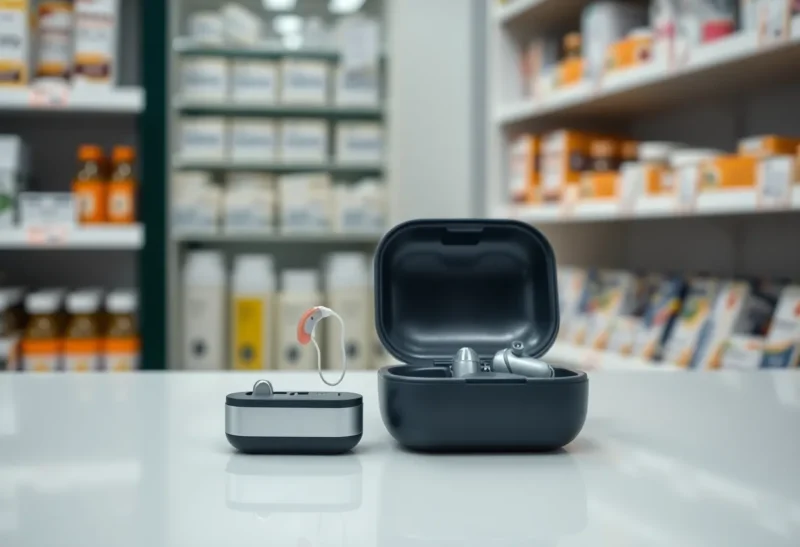
The FDA’s 2022 rule allowing over-the-counter sale of hearing aids for adults with mild to moderate hearing loss ended a regulatory structure that had required a prescription and, in practice, an audiologist visit for even basic hearing amplification devices for decades. The price impact was genuinely significant and fast: devices that previously cost several thousand dollars per pair through the traditional prescription channel became available for a few hundred dollars through new OTC options, a price drop substantial enough to meaningfully change who can actually afford hearing assistance. I’m a health policy researcher who’s studied medical device regulation, and this case is a genuinely clean example of how a specific regulatory structure, more than underlying technology cost, was actually driving hearing aid pricing for years.
Why Prescription Hearing Aids Were So Expensive in the First Place
The traditional hearing aid sales model bundled the device itself together with audiologist consultation, custom fitting, programming, and ongoing follow-up care into a single package price, a bundled structure that made it genuinely difficult for consumers to see how much of the total cost was actually the hardware itself versus the professional services wrapped around it. Industry analysis and regulatory review conducted ahead of the OTC rule change found that the actual component and manufacturing cost of a hearing aid device represented a comparatively small fraction of typical retail pricing, with the bundled professional services, retail markup, and a genuinely concentrated market structure (a small number of manufacturers, several under shared corporate ownership, supplying most of the prescription hearing aid market) accounting for the bulk of the price consumers actually paid.
This market concentration was a real, well-documented part of the pricing story that predated any conversation about OTC access specifically — a 2017 President’s Council of Advisors on Science and Technology report and subsequent FDA and Federal Trade Commission review both specifically flagged the hearing aid industry’s concentrated market structure as a significant contributing factor to persistently high prices, providing much of the actual policy justification that eventually led to Congress passing the Over-the-Counter Hearing Aid Act in 2017, which then took the FDA several additional years to translate into a final implementing rule that actually took effect in 2022.
What OTC Rules Actually Changed
The OTC rule specifically applies to adults with self-perceived mild to moderate hearing loss, allowing these devices to be sold directly to consumers without requiring a medical exam, prescription, or audiologist fitting appointment first — a genuinely significant change from the previous regulatory requirement that treated even a basic hearing amplification device the same as more complex prescription medical equipment requiring professional oversight for legal sale. This didn’t eliminate professional hearing care entirely: prescription hearing aids and audiologist-provided fitting and care remain available and remain the clearly appropriate pathway for adults with severe hearing loss, complex hearing conditions, or those who specifically want or need professional fitting and ongoing clinical support, which OTC devices aren’t designed or authorized to replace.
What the rule change did do was create a genuinely new, lower-cost market tier specifically for a large population of adults with more moderate hearing loss who had previously faced the same expensive, appointment-requiring purchase pathway regardless of how complex their actual hearing needs were, opening up direct retail and online sale through pharmacies, big-box retailers, and dedicated OTC hearing aid companies that could compete on price and convenience in ways the previous audiologist-centered distribution model structurally couldn’t support.
Why the Price Drop Happened So Quickly
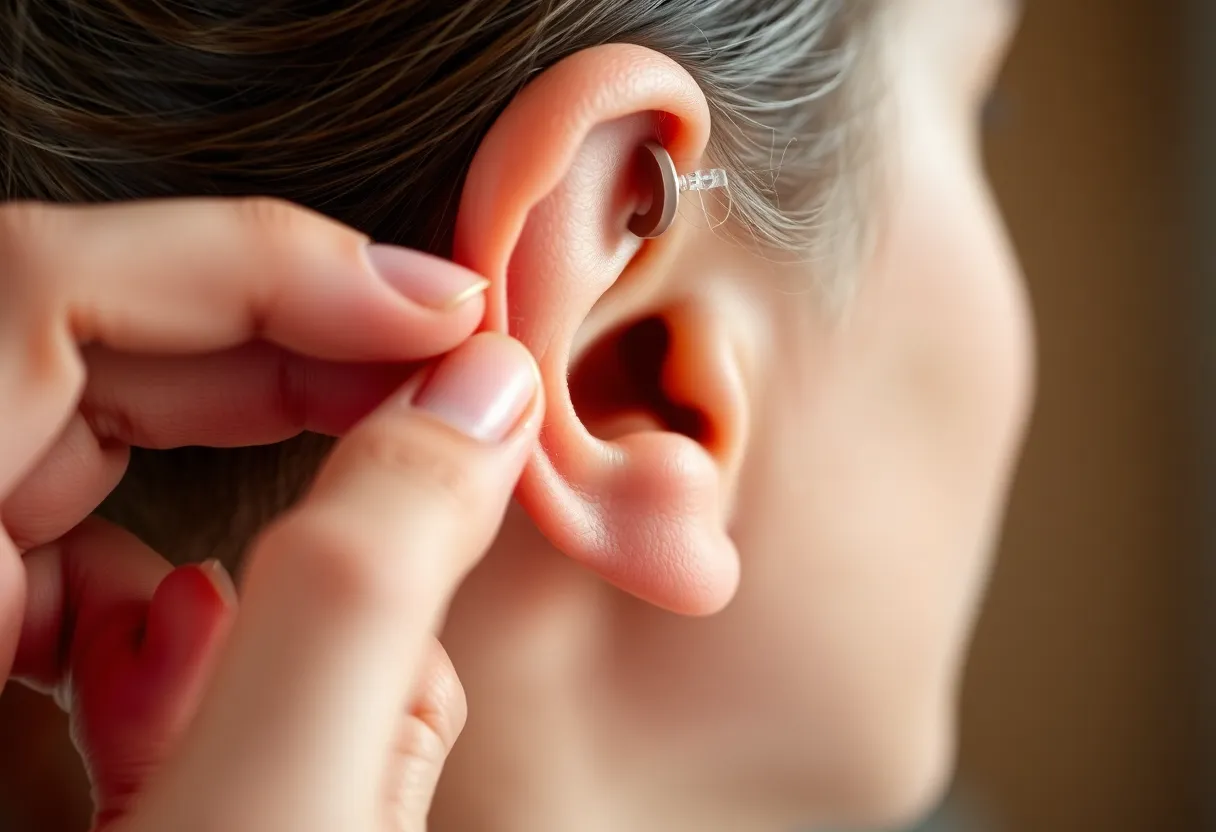
The speed of the actual price impact after the rule took effect reflects how much of hearing aid cost really was structural rather than technological — companies didn’t need years of new hardware development to offer meaningfully cheaper devices, they needed regulatory permission to sell essentially similar underlying hearing amplification technology through a direct-to-consumer retail channel without the bundled professional service and concentrated distribution markup that had defined the prescription market. Established consumer electronics and hearing technology companies moved quickly into this new OTC category once the rule took effect, and the resulting competition among new entrants competing specifically on price and convenience produced exactly the kind of rapid price compression that regulatory economists who’d studied this market had generally predicted would happen once the OTC pathway removed the structural barriers that had previously insulated the prescription market from this kind of direct price competition.
This pattern — dramatic price change from regulatory structure shift rather than underlying technology cost change — is a genuinely useful illustration of how much market structure, rather than pure manufacturing or R&D cost, can determine consumer medical device pricing in specific, concentrated market segments, and it’s a pattern health policy researchers have pointed to as potentially relevant to ongoing debates about pricing structure in other concentrated medical device and durable medical equipment markets facing similar structural, rather than purely technological, cost drivers.
What OTC Devices Can and Can’t Actually Do
OTC hearing aids are specifically regulated to be appropriate only for adults with perceived mild to moderate hearing loss, and the FDA rule includes specific output and gain limitations intended to prevent OTC devices from being used in ways that could be inappropriate or unsafe for more severe hearing loss cases that genuinely require professional evaluation and prescription-level device fitting. Audiologists and hearing health advocates have generally welcomed the increased access OTC devices provide while also emphasizing, correctly, that self-assessment of hearing loss severity is genuinely imperfect, and that some consumers who might benefit from professional evaluation — either because their hearing loss is more severe than they realize, or because it stems from an underlying medical condition that a hearing aid alone wouldn’t appropriately address — may not receive that evaluation if they go directly to an OTC purchase without ever consulting a hearing health professional first.
This is a genuine, reasonable concern rather than mere professional gatekeeping, and it’s part of why most public health guidance accompanying the OTC rule change has continued to recommend that adults experiencing hearing changes, particularly sudden or rapidly progressing hearing loss, still see a healthcare provider for evaluation before assuming OTC self-treatment is the appropriate path, even though OTC access removes the previous mandatory barrier requiring that evaluation before any purchase could occur at all.
The Broader Access Impact
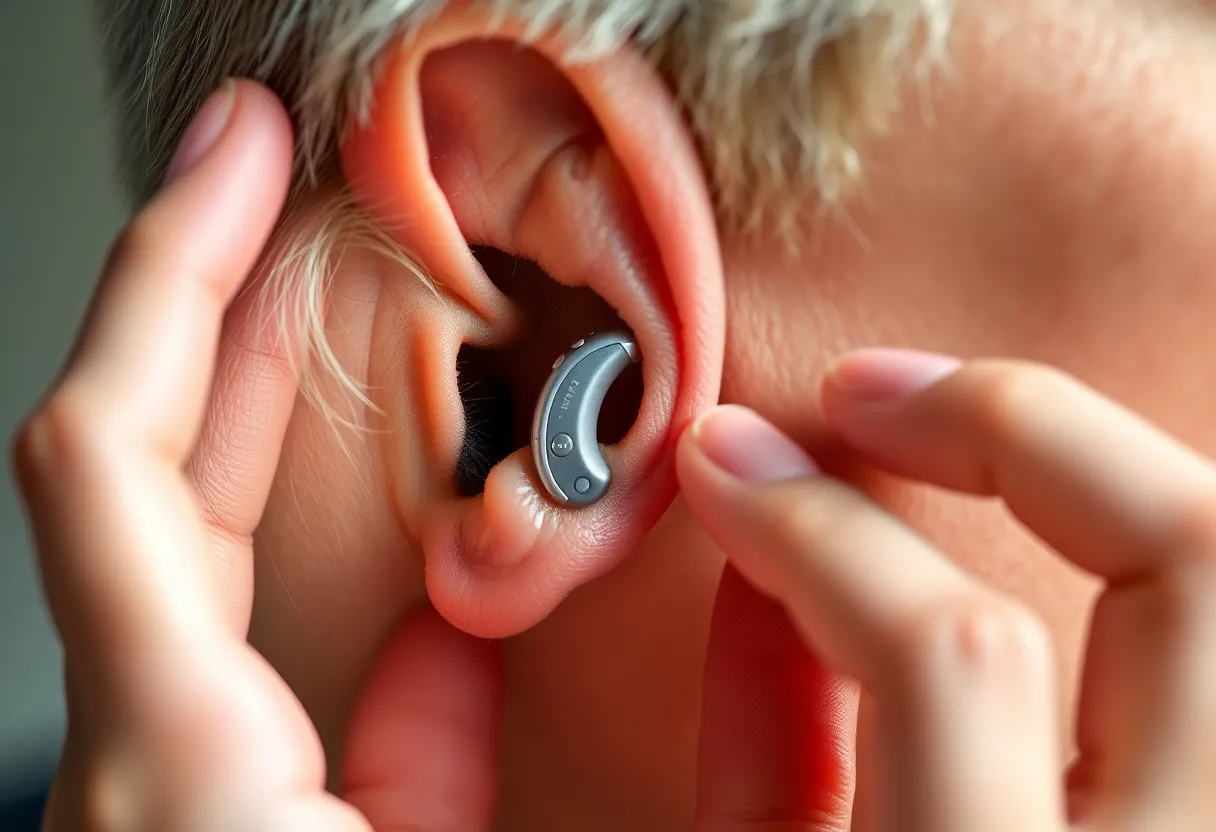
Survey and market research conducted since the rule change has documented meaningful growth in hearing aid adoption among adults who had previously identified cost as their primary barrier to seeking hearing assistance, a population that includes a genuinely significant number of people, given how common untreated mild to moderate hearing loss is among older adults specifically, and given how strongly untreated hearing loss has been linked in longitudinal health research to increased risk of social isolation and, in some studies, accelerated cognitive decline, making expanded access to affordable hearing assistance a genuinely meaningful public health outcome beyond just the direct consumer cost savings involved.
The hearing aid OTC transition stands as a reasonably clean natural experiment in health policy: a specific, well-defined regulatory change, a clearly documented pre-existing market concentration problem, and a fast, measurable price and access response following the policy change, together making this a case that health economists and policy researchers are likely to keep citing as evidence for what regulatory structure change can accomplish in concentrated medical device markets where technology cost alone doesn’t explain persistently high consumer prices.