What Makes Restoring a Classic Pipe Organ So Different From Any Other Instrument Repair

Futurion Editorial
July 9, 2026
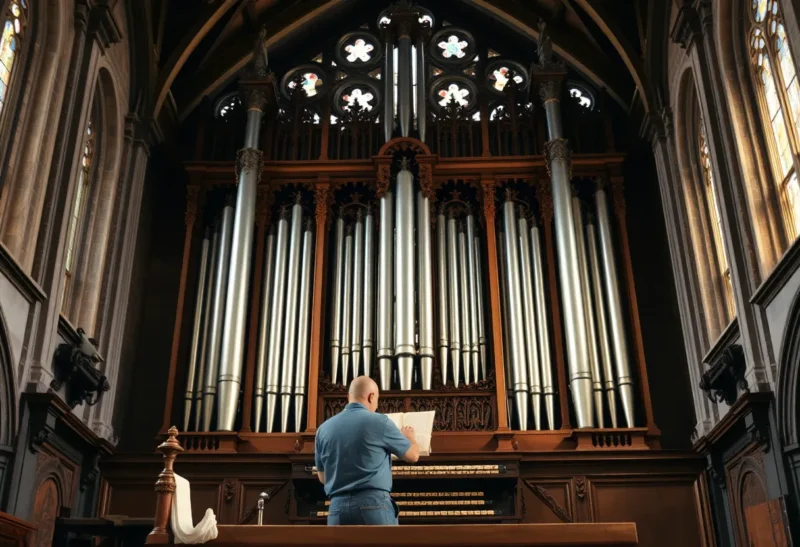
Repairing most musical instruments, even complex ones, is fundamentally a self-contained task: a violin, a piano, a guitar all sit within a workshop, get disassembled and reassembled by one or a small number of specialists, and return to their original location once work is complete. A pipe organ restoration operates on a completely different scale and logic, because a pipe organ isn’t really a single instrument in the way that framing suggests — it’s a large, permanently installed mechanical and acoustic system, often containing thousands of individual components integrated directly into a building’s architecture, and restoring one properly requires treating it more like a historic building preservation project than an instrument repair.
Why Scale Alone Changes Everything About the Process
A modest-sized pipe organ can easily contain over a thousand individual pipes, each one a precisely tuned acoustic component requiring individual attention, alongside the wind system (bellows, wind chests, and ductwork that supplies and regulates the air pressure driving every pipe), the mechanical or electro-pneumatic action connecting the keyboard to the pipes, and often elaborate carved wooden casework that’s itself a significant woodworking and finishing restoration challenge separate from anything acoustic or mechanical.
This sheer component count means a full organ restoration is fundamentally a project management challenge as much as a technical craft challenge — organizing, tracking, cleaning, repairing, and correctly reinstalling potentially thousands of individual parts, many of which are irreplaceable or extremely difficult to source replacements for if damaged during the process, in a way that simply doesn’t arise with instruments built from a much smaller, more standardized component count.
Every Pipe Is Individually Tuned to the Building It’s In
Unlike most instruments, which are built and tuned largely independent of wherever they’ll eventually be played, an organ’s pipes are voiced and tuned specifically for the acoustic characteristics of the particular room or building they’re installed in — a skilled organ builder adjusts each individual pipe’s voicing (the fine-tuning of its tone quality and volume) accounting for how that specific space’s reverberation, size, and materials will shape the final sound a listener actually hears.
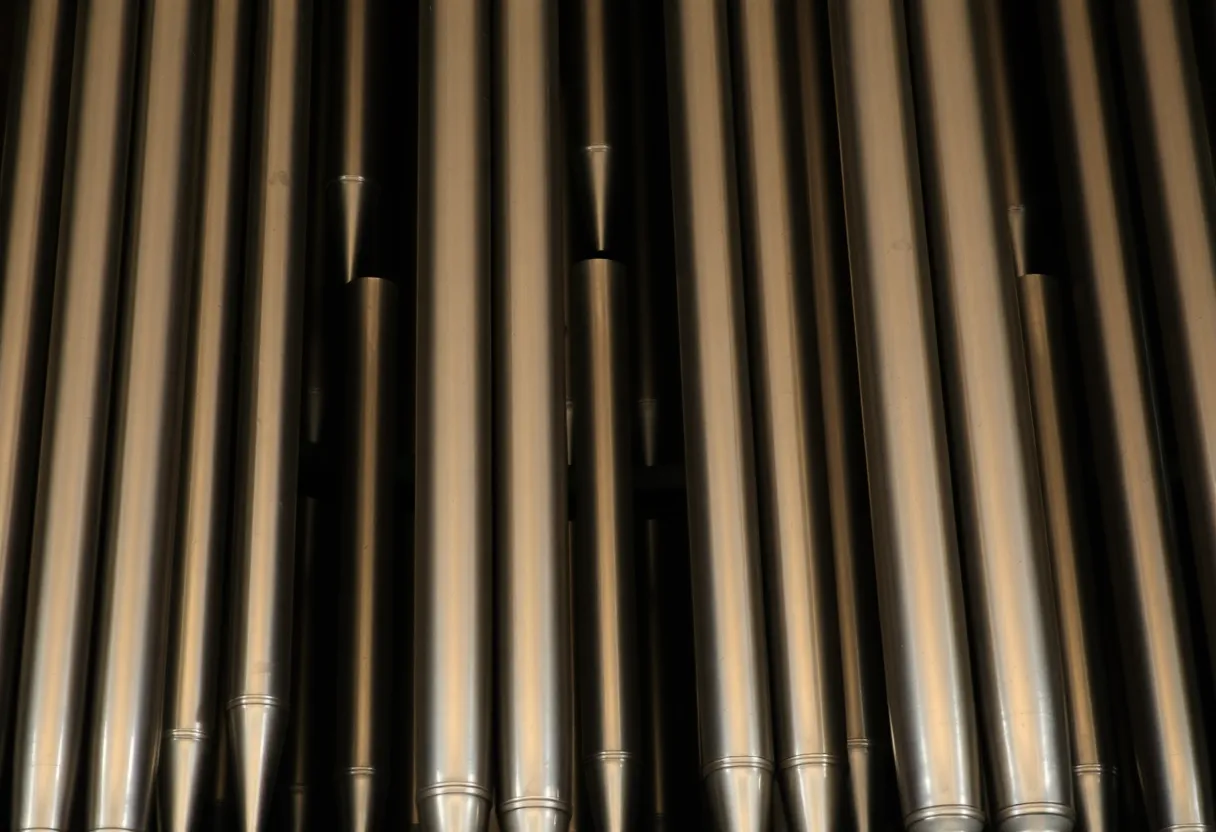
This building-specific voicing means an organ restoration project can’t simply restore each pipe to some generic acoustic standard — restorers need deep familiarity with the specific instrument’s original voicing character and the acoustic behavior of its specific installation space, often relying on historical documentation, recordings if they exist, and direct comparison with any unrestored or less-altered pipes elsewhere in the same instrument, to preserve or accurately recreate voicing choices the original builder made decades or, for historic instruments, centuries earlier specifically for that one space.
Historic Instruments Raise Genuine Preservation Ethics Questions
For historically significant pipe organs, restoration work runs directly into preservation philosophy questions similar to those historic building and fine art conservation grapple with: how much of the original historic material and craftsmanship should be preserved and repaired in place versus replaced with new material where original components are too degraded to functionally restore, and how a restorer should handle later modifications or additions made to an instrument during its history, which might themselves have historical significance even if they represent a departure from the organ’s original design.
Reputable organ restoration specialists generally follow preservation principles broadly similar to architectural conservation standards — prioritizing minimal, reversible intervention where possible, carefully documenting all work performed, and making deliberate, defensible decisions about which historical period or state of the instrument a restoration is actually trying to preserve or recreate, rather than treating restoration as simply “making it work again” without regard for historical accuracy and craftsmanship preservation, a philosophy shift that has become more consistently applied across the field as organ restoration has professionalized and organizations like the American Institute of Organbuilders have developed more formal restoration ethics guidance.
The Wind System Is Its Own Specialized Mechanical Discipline
Beyond the pipes themselves, an organ’s wind system — historically hand or foot-pumped bellows, and in virtually all modern instruments an electric blower feeding a network of wind chests, ducts, and pressure-regulating mechanisms — represents a genuinely distinct mechanical engineering discipline within organ restoration, since maintaining stable, correctly regulated air pressure across the entire instrument is what actually allows every pipe to sound at its intended pitch and volume consistently.
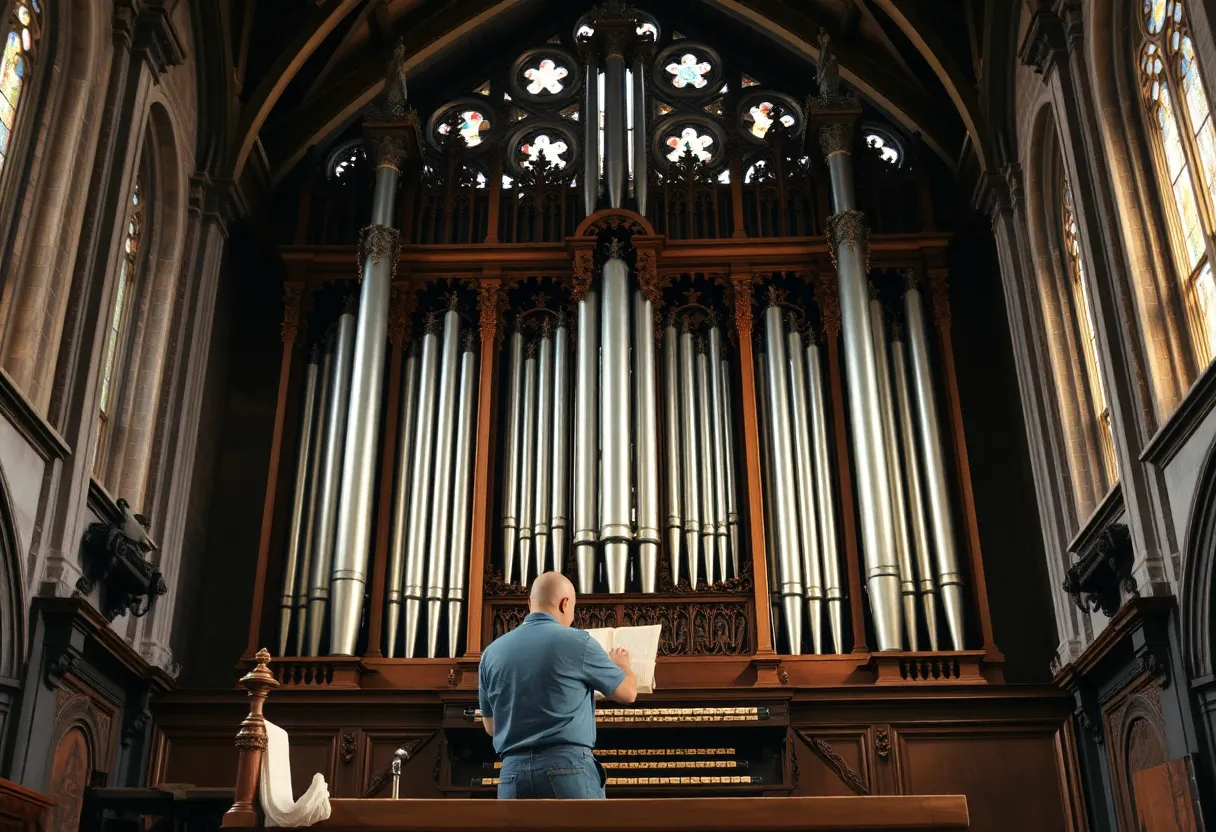
Wind system components use materials — traditionally leather for bellows and various pneumatic components — that degrade predictably over decades through drying, cracking, and loss of the airtight seal the whole system depends on, meaning wind system restoration (releathering bellows and pneumatic components) is one of the most common and structurally essential categories of major organ restoration work, independent of and often preceding any work on the pipes or casework, since an organ with a failing wind system can’t be properly voiced or evaluated acoustically until stable air supply is restored first.
Why This Combination of Skills Makes Organ Restoration a Genuinely Rare Specialty
The combination of skills a competent organ restoration actually requires — acoustic voicing expertise, precision mechanical and pneumatic system knowledge, fine woodworking and casework conservation skill, and often historical research and preservation ethics judgment for significant instruments — sits at an unusually specific intersection that relatively few craftspeople develop full competency across, which is part of why qualified organ restoration specialists remain a genuinely small, specialized professional community relative to the number of historic instruments that need this kind of attention over time. This scarcity, combined with the sheer scale and multi-year timeline larger restoration projects often require, is a major reason why significant pipe organ restorations frequently cost hundreds of thousands of dollars and take years to complete properly, a scale of investment that reflects the genuine complexity of the underlying work rather than simply market pricing for a niche specialty craft.