How Wildlife Crossing Bridges Are Designed Around Animal Behavior, Not Traffic

Hannah Voss
July 9, 2026

Wildlife crossing structures — the vegetated overpasses and tunneled underpasses increasingly built over and under highways specifically to let animals cross safely — look, from a road engineering perspective, like a fairly standard structural problem: build a bridge or tunnel strong enough to span the road below or above. The actual design process behind an effective wildlife crossing is almost entirely driven by a completely different discipline: understanding the specific behavioral psychology of the target animal species, because a structurally sound crossing that animals simply refuse to use accomplishes nothing for the actual goal of reducing wildlife-vehicle collisions and reconnecting fragmented habitat.
Why Animals Don’t Automatically Use a Crossing Just Because It Exists
Wild animals approach a novel structure like a highway overpass or underpass with an instinctive caution that reflects real evolutionary logic — an unfamiliar, enclosed, or exposed structure could represent predator ambush risk, and many prey species have strong innate aversion to entering confined spaces or crossing open, exposed terrain where they’d be visible and vulnerable to predators for an extended period. This means a wildlife crossing’s actual usage rate depends heavily on design choices that address this instinctive caution directly, rather than simply providing a physically passable route and assuming animals will use it because it’s there.
Early wildlife crossing structures, built before this behavioral research base was well developed, sometimes suffered from low usage rates specifically because they were designed primarily around structural and traffic engineering considerations without enough attention to the specific sensory and psychological factors that determine whether target species will actually approach and use them, a lesson that has substantially reshaped how transportation agencies and wildlife biologists collaborate on newer crossing designs.
Species-Specific Design Preferences That Actually Drive Usage
Different species show measurably different structural preferences that crossing designers now account for explicitly rather than using one generic design for all wildlife. Deer and elk, among the most studied species in North American wildlife crossing research, generally show stronger usage rates for overpasses (open-air structures that let them see sky and surrounding terrain while crossing) compared to enclosed underpasses, likely reflecting their general behavioral preference for open sightlines that let them monitor for predators while moving through unfamiliar terrain.
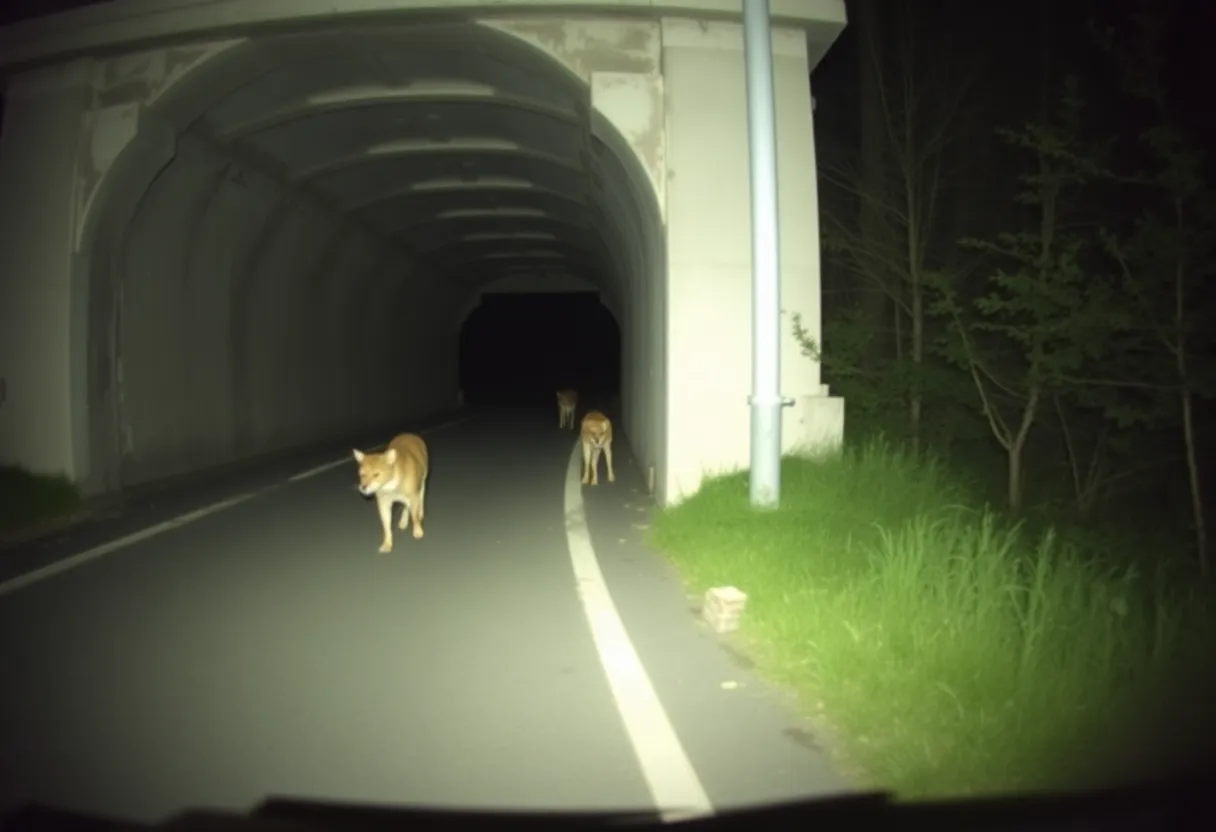
Other species show different patterns entirely — many smaller mammals and some carnivores show stronger preference for underpasses or culverts that provide more cover and less exposure than an open overpass structure, and specific structural details like tunnel width, height, and length relative to diameter (a longer, narrower tunnel feels more confining and gets avoided more than a shorter, wider one, even at the same total cross-sectional area) meaningfully affect usage rates for underpass-preferring species. This species-specific variation is precisely why effective wildlife crossing planning starts with identifying the specific target species a given crossing location needs to serve, based on collision data and known habitat connectivity needs, rather than building a single generic structure type everywhere.
Vegetation and Approach Design Matter as Much as the Structure Itself
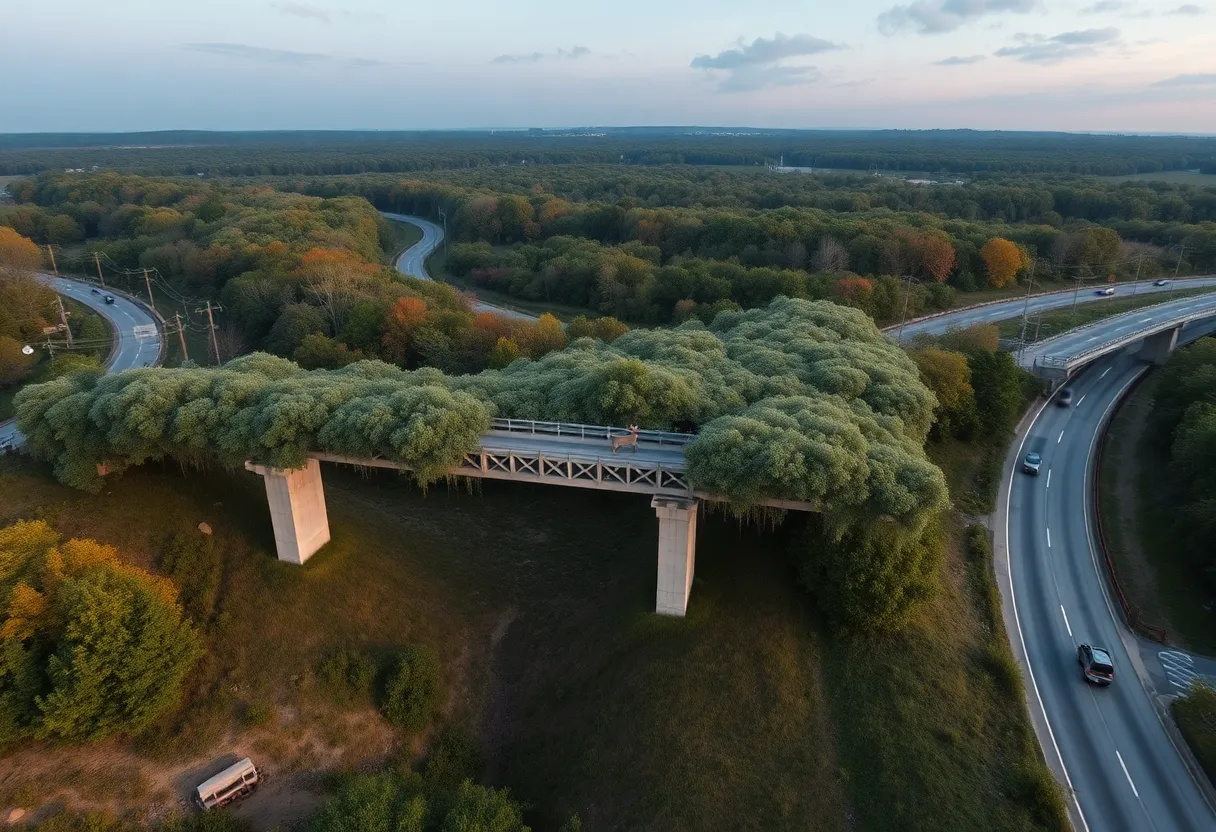
The crossing structure itself is only part of what actually determines usage — the vegetation and terrain design leading animals toward the crossing approach, and planted on and around the structure itself, plays an equally important behavioral role. Effective crossings are typically designed with natural-looking vegetation cover extending onto the structure itself (particularly for overpasses, where establishing trees, shrubs, and native grasses on the structure helps it visually and functionally blend into the surrounding landscape rather than looking like an obviously artificial paved structure animals need to overcome instinctive caution to approach).
Fencing design along the highway corridor leading toward a crossing is an equally critical, if less visually prominent, design element — funnel fencing that guides animals toward the crossing location rather than allowing them to wander along the highway corridor looking for their own crossing point substantially increases how effectively a crossing structure actually gets used relative to how much wildlife-vehicle collision reduction the crossing alone could achieve without that fencing guidance directing animal movement toward it specifically.
How Designers Actually Validate Whether a Crossing Design Works
Modern wildlife crossing projects increasingly incorporate extensive camera trap monitoring and, for some higher-profile projects, GPS collar tracking of individual animals before and after construction, specifically to measure actual usage rates and identify which design elements correlate with successful animal usage versus avoidance.
This monitoring data has become a valuable feedback loop for the field as a whole, since it lets wildlife crossing researchers and transportation agencies compare outcomes across many different crossing designs and locations, building an increasingly evidence-based understanding of which specific design choices most reliably drive successful usage for different target species, rather than relying purely on theoretical behavioral prediction without empirical validation. Well-studied projects like Banff National Park’s extensive wildlife crossing network in Canada, one of the longest-monitored systems globally, have generated multi-decade usage datasets that have directly informed design standards used on newer crossing projects elsewhere, including the high-profile Liberty Canyon wildlife crossing under construction near Los Angeles specifically to support mountain lion habitat connectivity across a major freeway corridor.
Why This Behavioral Focus Represents a Genuine Field Maturation
The shift toward genuinely behavior-first wildlife crossing design reflects a broader maturation in how transportation planning incorporates ecological science — moving from treating wildlife crossings as a structural add-on retrofitted onto road engineering plans, toward treating animal behavioral psychology as a primary design driver that structural and engineering choices need to accommodate, not the reverse. That shift has measurably improved crossing usage rates and collision reduction outcomes on newer, behaviorally-informed projects compared to older crossings designed with less species-specific behavioral consideration, and it’s part of why current wildlife crossing planning increasingly involves wildlife biologists as core design team members from a project’s earliest planning stages, rather than being consulted only after the basic structural design is already largely determined.