The Real Reason Podcast Ad Reads Still Beat Programmatic Audio Ads

Marcus Whitfield
July 9, 2026
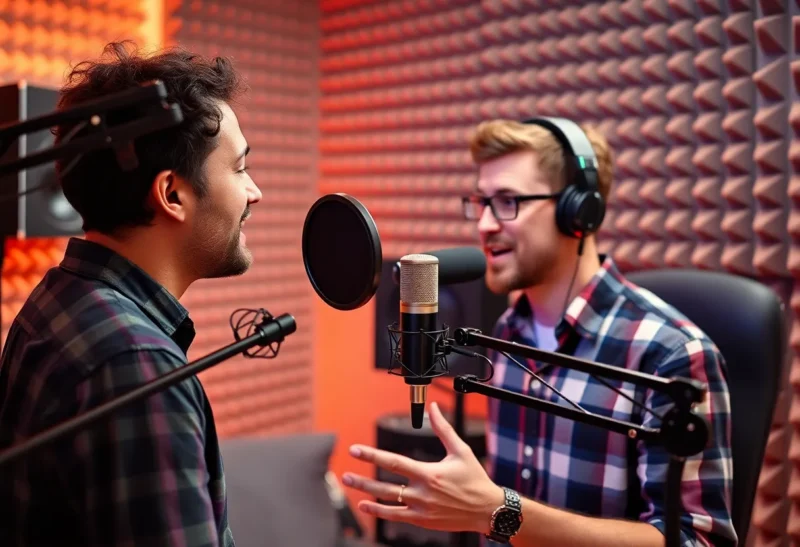
Programmatic advertising has taken over most of digital media by automating what used to require direct human negotiation — display ads, video pre-rolls, and most digital ad inventory now trades through automated bidding systems with minimal human involvement in individual ad placement decisions. Podcasting has stubbornly resisted this shift in one specific, economically significant way: host-read ads, where the podcast host personally reads a sponsor’s script in their own voice and style, continue to command dramatically higher rates and are widely reported by advertisers and agencies to outperform programmatically inserted, pre-produced audio ads on core response metrics like promo code redemption and click-through. I spent a decade in media buying and podcast ad sales before moving into industry journalism, and this gap has real, well-understood mechanics behind it that explain why it’s persisted even as programmatic buying has matured and scaled dramatically across the rest of digital advertising.
What Actually Makes a Host-Read Ad Different
A host-read ad isn’t simply a voiceover — it’s the podcast host personally reading a sponsor message in their established on-air voice, often incorporating their own opinions, personal anecdotes about using the product, and the same conversational tone their audience already associates with the rest of the show’s content. This matters because podcast audiences generally develop a level of parasocial trust in hosts they listen to regularly that’s structurally different from how audiences relate to display ads or even pre-produced audio spots inserted programmatically — when a host personally vouches for a product in their own voice, it reads to the audience as closer to a trusted friend’s recommendation than as a conventional advertisement, even though listeners are generally well aware it’s a paid placement.
This trust transfer is measurable, not just anecdotal — advertiser-reported data and podcast ad platform case studies have consistently shown host-read ads outperforming pre-produced, generic-voice audio ads on direct response metrics like unique promo code redemption rates, sometimes by a meaningful multiple, a difference significant enough that many performance-focused podcast advertisers specifically negotiate for and pay a premium for host-read placement rather than accepting cheaper, programmatically inserted alternatives even when the raw impression cost is considerably higher for the host-read option.
Why Programmatic Struggles to Replicate This
Programmatic audio advertising works by dynamically inserting pre-produced ad audio into podcast episodes at scale, using technology that can swap different ads into the same ad slot for different listeners or different distribution windows without requiring the podcast creator to record anything specific to that particular ad campaign. This scalability is exactly what makes programmatic advertising so efficient for advertisers buying across large numbers of shows simultaneously, but it inherently can’t replicate the specific voice, tone, and personal endorsement quality that makes host-read ads effective, because by definition the ad audio isn’t coming from the host at all — it’s a separately produced, generic voiceover inserted into the host’s show without their direct personal involvement in that specific ad’s content or delivery.
Some programmatic platforms have attempted partial workarounds — dynamic ad insertion technology that can splice in host-recorded ad tags or shorter host-voiced segments around a core pre-produced ad, or AI voice cloning approaches that attempt to synthesize a host’s voice reading new ad copy without requiring the host to personally record each ad — but these hybrid approaches have generally been reported by both advertisers and listeners as noticeably less effective than genuine, personally-delivered host reads, suggesting that at least some of the trust and effectiveness advantage comes specifically from listeners perceiving the read as genuinely, personally endorsed rather than merely voiced in a familiar-sounding voice.
Why This Hasn’t Scaled the Way Advertisers Would Prefer
The obvious limitation of host-read advertising from an advertiser’s perspective is that it fundamentally doesn’t scale the way programmatic buying does — running a host-read campaign across hundreds or thousands of podcasts requires either individually negotiating with each show (a genuinely labor-intensive process that podcast ad agencies and networks exist specifically to manage) or accepting that a campaign will only run on a much smaller number of shows than a comparable programmatic buy could reach, since host-read ads require the host’s personal time and involvement for every single placement rather than being infinitely reproducible the way a pre-produced audio file is.
This scale limitation is precisely why large advertisers with substantial budgets often run mixed campaigns, combining host-read placements on a curated set of top-priority shows where personal endorsement value matters most, alongside broader programmatic buys across a much larger pool of shows to achieve overall reach and frequency goals that pure host-read buying couldn’t practically achieve given the negotiation overhead involved in scaling host-read placements much beyond a few dozen or few hundred individually negotiated shows.
The Business Model Tension This Creates for Podcasters
Host-read advertising’s continued premium has created a genuinely interesting structural tension in how podcast monetization has evolved: because host-read ads command meaningfully higher rates than programmatic inventory sold on the same show, individual podcast hosts and networks have real financial incentive to preserve and protect the personal-endorsement quality that makes host-read ads valuable, which has generally translated into hosts being genuinely selective about which sponsors they’ll personally endorse on-air, since a host’s credibility with their audience is the actual asset generating the premium rate, and endorsing products the host doesn’t personally believe in (or that clearly don’t fit the show’s established voice and audience) risks eroding exactly the trust relationship that makes host-read advertising valuable in the first place.
This selectivity has become a real point of differentiation between more established, higher-trust podcast hosts, who can afford to turn down sponsors that don’t fit and maintain a more curated, credible set of endorsements, and newer or lower-audience shows that have less negotiating leverage and correspondingly less ability to be selective about which advertisers they accept host-read placements from, a dynamic that mirrors, in podcast-specific form, broader patterns around how audience trust functions as a monetizable but depletable asset across other creator-economy platforms as well.
Where This Settles
The realistic trajectory for podcast advertising is continued coexistence between host-read and programmatic inventory rather than one fully displacing the other, because they’re genuinely serving different advertiser needs — host-read for advertisers prioritizing trust transfer and willing to pay a premium and accept scale limitations for it, programmatic for advertisers prioritizing reach, measurement consistency, and buying efficiency across a large number of shows. What’s unlikely to change meaningfully in the near term is the underlying performance gap itself, because it’s rooted in something programmatic technology hasn’t found a reliable way to replicate: the specific, personal trust relationship between a podcast host and their audience, which by its nature can’t be automated or inserted after the fact without losing much of what actually makes it valuable to advertisers in the first place.