Why Voice Actors Are Fighting Over AI Clauses in New Game Contracts

Futurion Editorial
July 9, 2026
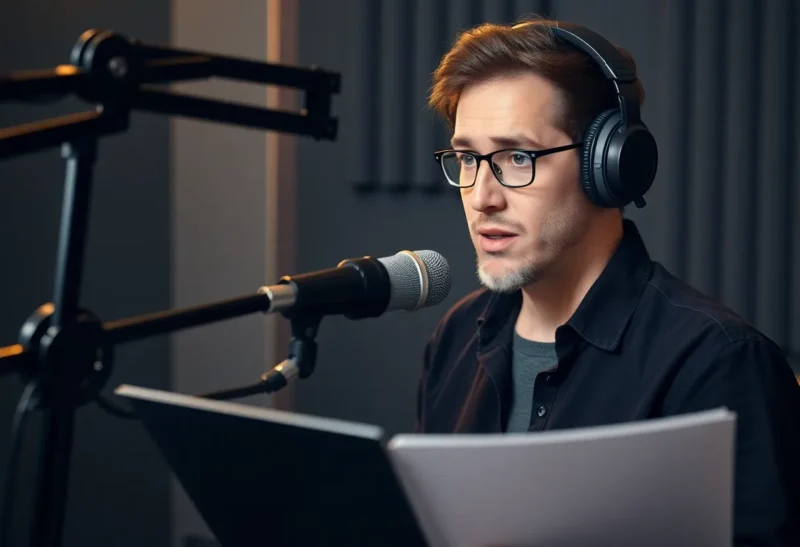
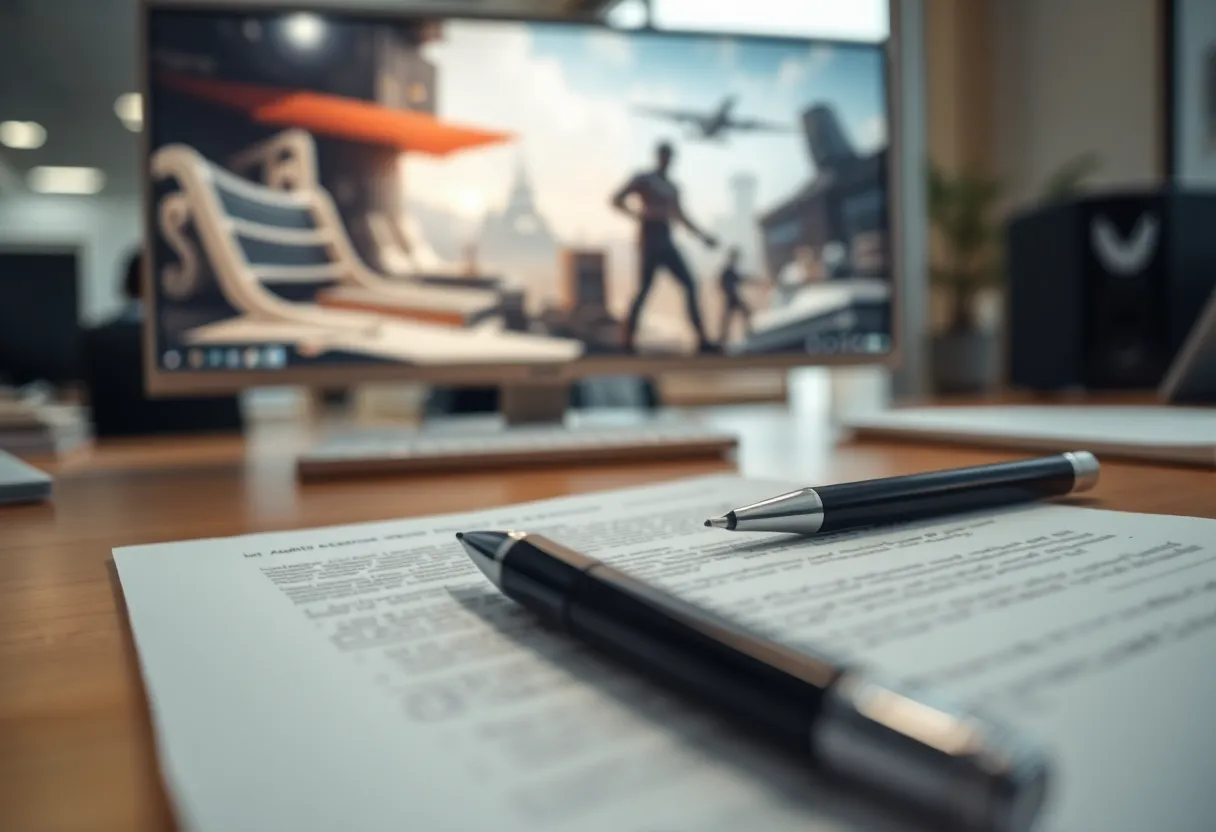
Video game voice acting contracts used to be, by entertainment industry standards, fairly unremarkable documents: a per-session or per-word rate, usage terms defining which games or expansions the recording could appear in, and standard union protections if the actor was working under a SAG-AFTRA agreement. Over the past two years, a single new category of contract language has become the most contentious point of negotiation in the entire industry: clauses defining exactly what a game studio can and cannot do with an actor’s voice using AI, and specifically whether a studio can use AI to generate new lines, in an actor’s voice, that the actor never actually recorded.
Why This Became the Central Issue So Quickly
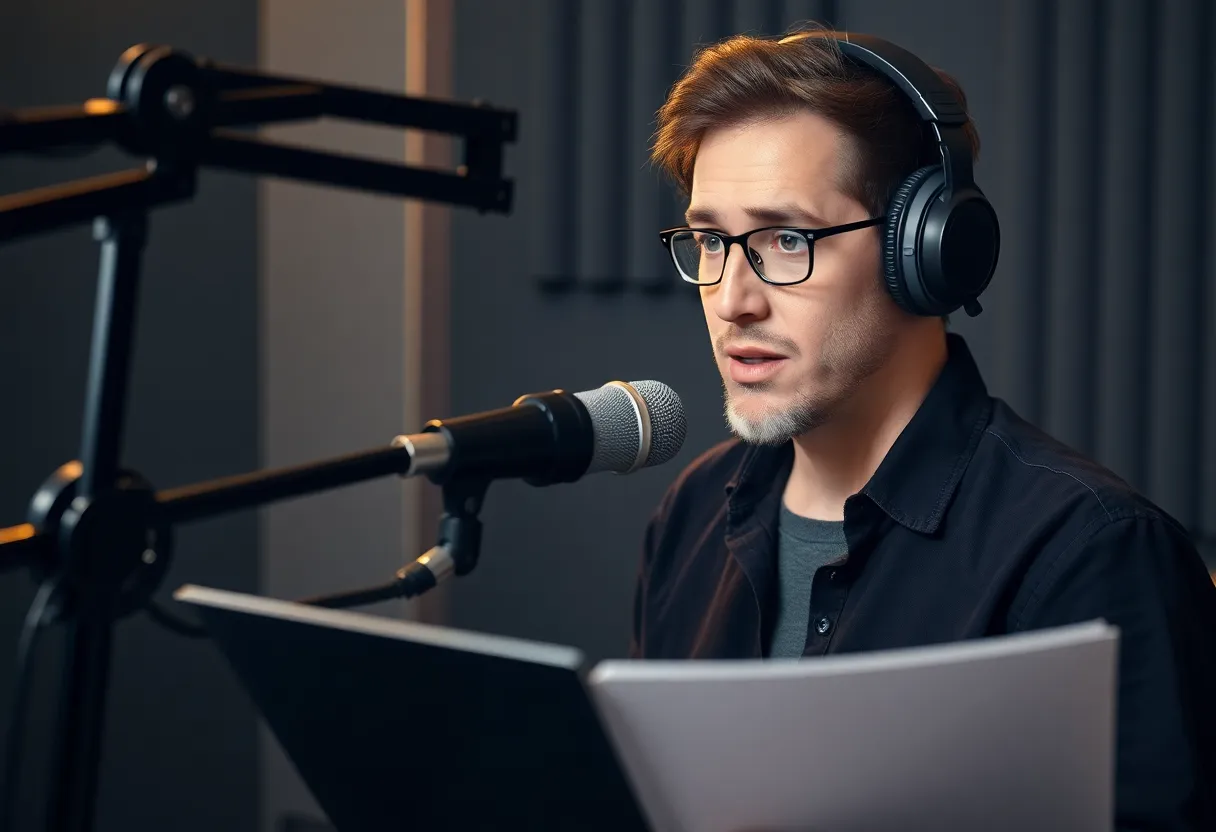
The core technical capability driving this fight is voice cloning — AI models that can learn the specific vocal characteristics, tone, and delivery style of a given voice from a relatively modest amount of recorded sample audio, and then generate entirely new speech in that same voice, saying words the original speaker never recorded. This technology has improved dramatically in a short period, moving from clearly synthetic-sounding output a few years ago to results that, for short clips at least, can be genuinely difficult for listeners to distinguish from the original actor’s real recorded performance.
For game studios, this capability solves a genuinely expensive and logistically difficult problem: modern games, particularly large role-playing games with branching dialogue systems, can require enormous volumes of recorded voice lines, and post-launch content updates, patches, or expansions frequently need additional lines from characters whose original voice actors may be unavailable, expensive to bring back for a small addition, or in some unfortunate cases, deceased. Voice cloning offers studios a way to generate that additional dialogue without a costly and logistically complex new recording session, which is precisely the efficiency gain that makes it commercially attractive and precisely the threat that has made voice actors and their union deeply alarmed.
The 2024 SAG-AFTRA Strike Set the Template
The video game voice acting industry’s AI conflict came to a head publicly with SAG-AFTRA’s interactive media agreement strike, which began in July 2024 and continued for nearly a year before reaching a tentative agreement in mid-2025, making it one of the longest work stoppages in the union’s history and a clear signal of how seriously performers viewed the underlying issue. The strike was specifically triggered by disagreements over AI provisions in the interactive media contract that covers video game voice and motion-capture performers, after negotiations over consent and compensation requirements for AI-generated or AI-modified use of a performer’s voice and likeness repeatedly stalled.
The eventual agreement established a framework that has become the template other studios and productions have since had to negotiate around: requiring clear, informed consent from a performer before their voice or likeness can be used to train an AI model or generate new synthetic performances, and separately requiring additional compensation specifically tied to AI-generated usage of that performer’s digital replica, distinct from and in addition to whatever the performer was paid for their original recorded performance. Crucially, the agreement also established that consent for one specific project or use case does not automatically extend to other projects, meaning a studio can’t simply reuse the AI-cloned voice from one game’s contract to generate content for an unrelated future project without separately renegotiating that specific use.
Why “Consent” Turned Out to Be a Genuinely Hard Thing to Define
A significant part of why these negotiations dragged on for so long is that defining meaningful, enforceable consent for AI voice usage turned out to be considerably more complicated than it initially sounds. Performers and their union representatives pushed hard for consent requirements specific enough to prevent a scenario where an actor signs a single broad contract early in their career, before AI voice cloning was even a mainstream concern, that could later be interpreted by a studio’s legal team as covering AI uses the actor never anticipated or would have agreed to if the implications had been clearly explained at the time of signing.
This concern wasn’t hypothetical — voice actors and their advocates have pointed to older, pre-AI-era contracts with broadly worded usage rights clauses that, under a strict legal reading, arguably already grant some studios usage rights broad enough to cover AI-generated derivative content, creating a genuinely contested legal gray area for any voice work recorded before AI-specific contract language became standard. This is part of why the current wave of AI clause negotiation isn’t just about future contracts — voice actor advocacy groups have also pushed, with mixed success, for revisiting or clarifying the interpretation of existing older contracts specifically regarding AI usage that wasn’t contemplated when those contracts were originally signed.
The Compensation Question Nobody Has Fully Solved
Even where consent frameworks have been established, calculating fair compensation for AI-generated use of a performer’s voice remains a genuinely unresolved and actively negotiated question across the industry, because it doesn’t map cleanly onto the existing compensation models built around per-session or per-line payment for actual recording work performed. If a studio generates a hundred new AI lines in an actor’s cloned voice for a content update, using a model trained on that actor’s earlier recorded sessions, how should that compare to the actor being paid to record those same hundred lines personally? Union agreements and individual negotiated contracts have taken a range of approaches — some structuring AI usage compensation as a fixed licensing fee for a defined scope of use, others attempting a more granular per-generated-line calculation, and there isn’t yet a single, broadly adopted industry standard the way there is for traditional recording session rates.
How Individual Studios Have Responded Differently
Beyond the union-level agreement, individual studios and publishers have taken noticeably different public stances on AI voice usage, which has itself become a point of competitive differentiation and public relations positioning within the industry. Some studios have publicly committed to voluntary policies requiring explicit, separately negotiated consent and compensation for any AI voice usage, framing this as a talent-friendly policy distinguishing them from competitors, partly in response to visible public criticism several other studios faced after voice actors publicly disclosed discovering AI-generated content using their voice that they hadn’t specifically consented to or been separately compensated for.
Other studios have been more aggressive about pursuing AI voice technology, particularly for background or minor non-player character dialogue where the reputational and legal risk of using AI-generated voices is lower than for major named characters with dedicated, publicly credited voice actors, treating this narrower use case as a reasonable middle ground that reduces production costs for high-volume, lower-profile content while reserving traditional human recording for principal character work where audience and critical attention is highest.
Where This Is Likely Headed
The trajectory across the industry points toward AI voice clauses becoming a completely standard, expected part of voice acting contract negotiation going forward, in the same way that usage rights and residual payment terms became standardized decades ago as the entertainment industry worked through earlier disputes over new distribution technologies. The specific terms are likely to keep evolving as AI voice generation technology continues improving and as more contract disputes and, potentially, legal cases work through exactly how enforceable various consent and compensation frameworks actually are in practice. What seems unlikely to change is the underlying tension driving all of this: AI voice cloning offers studios a genuinely compelling cost and flexibility advantage, and voice actors have made clear, through sustained collective action, that they view uncompensated or non-consensual use of that capability as a direct, existential threat to their livelihood rather than a minor contractual footnote — which is exactly why this fight isn’t close to finished.