How Ski Resort Snowmaking Turned Into a Serious Water Rights Fight

Futurion Editorial
July 9, 2026
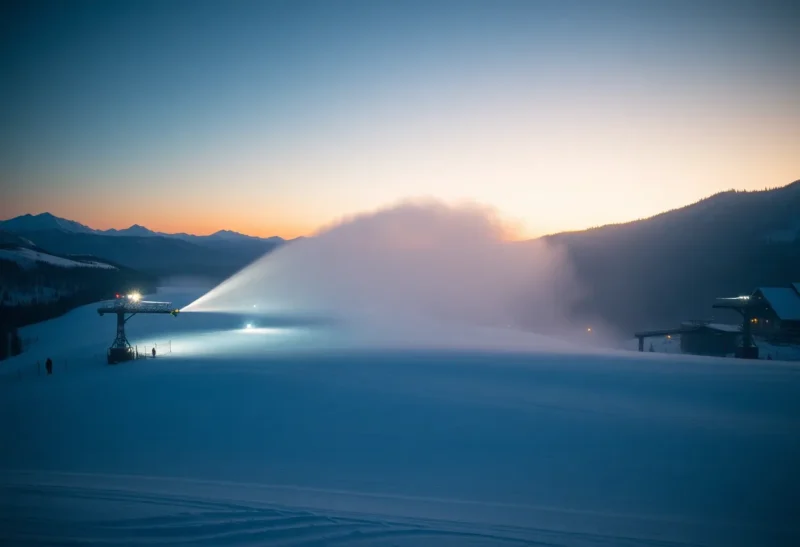
Snowmaking used to be a relatively minor operational detail for ski resorts — a supplemental tool for extending a season or covering thin patches when natural snowfall came up short. Climate change has pushed it from supplemental to essential for the survival of many resorts’ entire business model, and that shift has quietly turned snowmaking water consumption into one of the more contentious natural resource disputes in mountain West communities, pitting resorts against municipal water utilities, downstream agricultural users, and environmental groups in fights that are as much about long-term water rights law as they are about skiing.
Why Snowmaking Became Existential Rather Than Supplemental
Warmer average temperatures and more variable, less reliable natural snowfall patterns have made a consistent natural-snow season something fewer ski resorts can count on, particularly at lower-elevation resorts and in regions where climate models show the most pronounced warming trends. Resorts that once opened primarily on natural snowfall now depend on snowmaking to guarantee a reliable opening date and a consistent base through the core of their season, since a resort that can’t guarantee snow cover on a predictable calendar loses bookings to competitors that can.
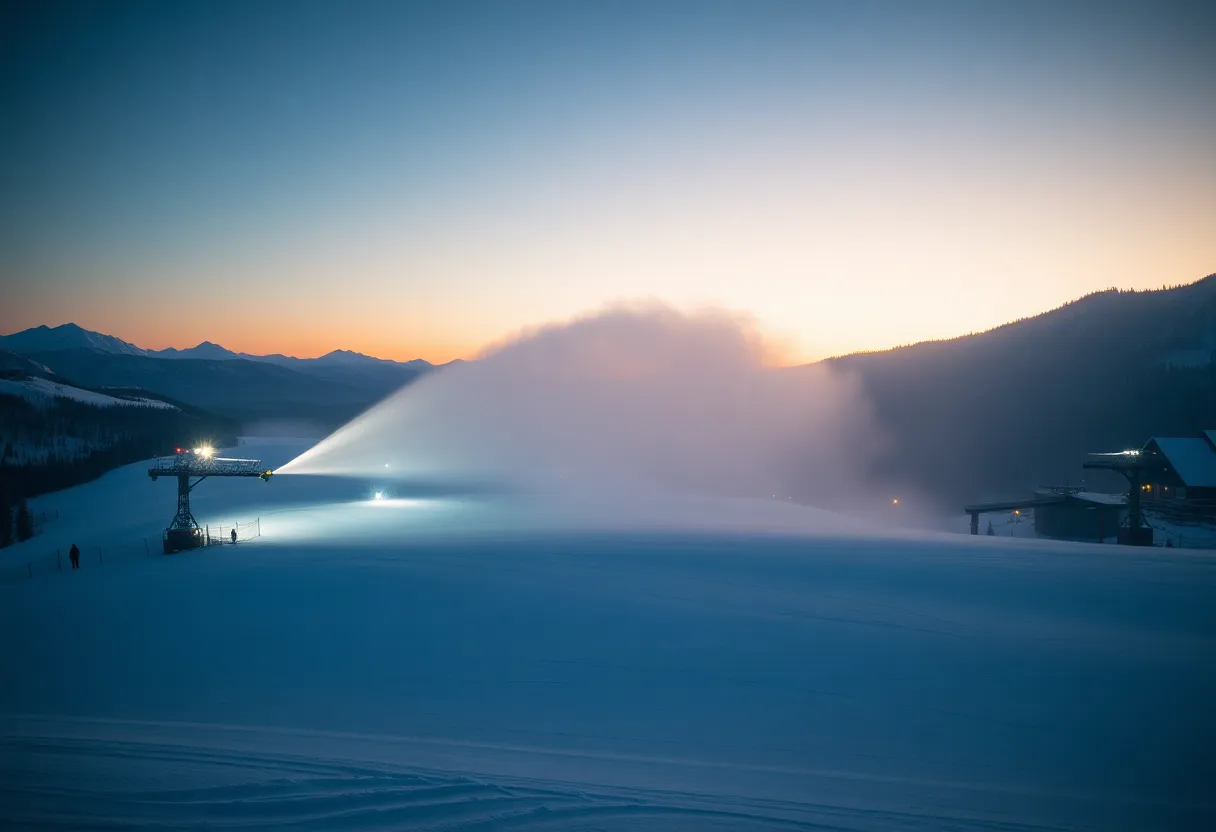
This has driven a substantial expansion of snowmaking infrastructure and, correspondingly, water consumption across the industry over the past two decades — modern snowmaking systems draw significant water volumes (often measured in hundreds of millions of gallons per season for larger resorts) that get pumped, pressurized, and combined with compressed air to form ice nuclei that build into artificial snow, a genuinely water- and energy-intensive process compared to the era when resorts relied on natural snowfall alone.
The Legal Mechanism: Water Rights, Not Just Water Availability
In most Western U.S. states, water isn’t simply available to whoever needs it — it’s allocated through a prior appropriation system, commonly summarized as “first in time, first in right,” where water rights holders with older, senior claims have priority over more recently established junior rights during periods of scarcity. This legal structure matters enormously for the ski resort snowmaking fight because resorts typically hold water rights that are junior relative to older agricultural, municipal, and other longstanding water users in the same river basin — meaning that during a drought or low-flow period, agricultural and municipal users with senior rights can, in principle, call for their full allocation before a resort’s junior snowmaking rights get fulfilled at all.
This creates a genuinely awkward dynamic: resorts need reliable, predictable water access specifically during the exact months (typically fall, before natural snow arrives) that overlap with lower streamflow periods in many mountain watersheds, which is precisely when senior water rights holders are most likely to need their full allocation too, and precisely when environmental flow requirements protecting fish habitat and downstream ecosystem health are often most stringent.
Where the Actual Conflicts Play Out
Specific disputes have emerged across multiple mountain states in recent years, generally following a similar pattern: a resort proposes expanding snowmaking capacity or securing new or larger water rights to support that expansion, and the proposal draws formal objections from downstream agricultural water users concerned about reduced flow during critical irrigation periods, from municipal utilities managing their own long-term water security in the same basin, and from environmental and conservation groups concerned about stream health, fish habitat, and downstream ecosystem impacts from increased diversion.
These disputes typically get resolved (or at least adjudicated) through state water court or water rights administrative processes rather than through direct negotiation alone, since water rights disputes in prior appropriation states are fundamentally legal proceedings about who holds what priority claim, not just a negotiation between parties with roughly equal footing. Resorts have generally had mixed success in these proceedings — some have secured expanded water rights after lengthy legal processes and negotiated mitigation commitments (such as funding stream restoration or committing to water conservation measures elsewhere in their operations), while others have faced years of delay or outright denial that has directly constrained their ability to expand snowmaking capacity as planned.
The Efficiency Side of the Story
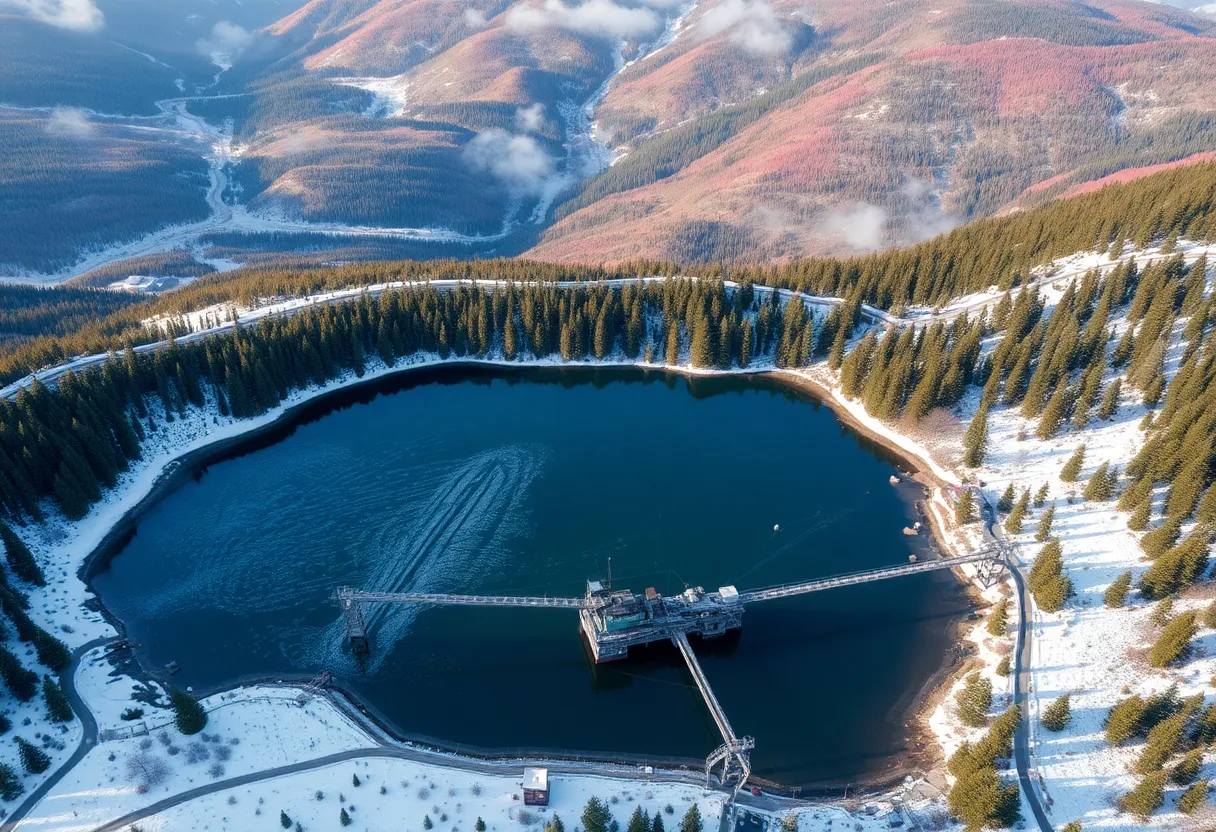
Resorts facing this constraint haven’t simply pushed for more water access — many have invested heavily in snowmaking efficiency technology specifically because reducing water consumption per unit of snow produced is often a more achievable lever than securing additional water rights through a contested legal process. Modern snow guns and automated snowmaking systems that use real-time weather and humidity data to optimize water-to-air ratios and only run during genuinely favorable conditions have measurably improved water efficiency at resorts that have invested in upgrading from older, less efficient equipment, and some resorts have built dedicated storage reservoirs specifically to capture water during high-flow periods for use during snowmaking season, reducing direct competition with other users during the lower-flow months when snowmaking demand peaks.
This efficiency push is partly a genuine environmental commitment for resorts that market themselves partly on sustainability credentials, and partly a pragmatic recognition that securing meaningfully expanded water rights through contested water court proceedings has become slow and uncertain enough that squeezing more snow production out of existing water allocations is often the more reliable path to the capacity a resort actually needs.
Why This Fight Is Likely to Intensify, Not Resolve
The underlying pressures driving this conflict point toward continued rather than easing tension: climate projections generally show continued warming and increasingly variable natural snowfall in most major ski regions, which pushes resorts toward greater snowmaking dependence, while the same climate trends are generally projected to reduce overall water availability and increase drought frequency in many of the same mountain watersheds, tightening the water supply that senior rights holders, environmental flow requirements, and resort snowmaking demand are all competing over simultaneously.
Water law reform that could meaningfully change this dynamic — such as revising prior appropriation priority systems to better account for modern competing uses, or establishing more formal water banking and efficiency incentive frameworks specific to seasonal recreational demand — moves slowly relative to the pace of climate change and resort investment decisions, which means the practical resolution mechanism for the foreseeable future will likely continue to be the same combination already in use: incremental legal battles over specific water rights claims, and continued resort investment in extracting more snow production per gallon from whatever water access they already have.