What Carbon Capture Technology Actually Does—And Where It’s Actually Working

Jordan Lee
July 7, 2026
Carbon capture has spent years hovering between genuine climate tool and convenient excuse—embraced by fossil fuel companies who see it as a path to continued operation, criticized by climate advocates who worry it distracts from the harder work of eliminating emissions, and studied intensively by researchers who see it as a necessary component of any credible path to net zero. The debate often generates more heat than light, partly because “carbon capture” is used to refer to several quite different technologies with very different costs, maturity levels, and real-world track records.
The basic question—what does carbon capture actually do, and is it actually working?—deserves a straightforward answer. Here’s what the different technologies involve, where they’re deployed, and what the data says about their performance and prospects.
The Three Main Categories
Carbon capture broadly refers to technologies that prevent CO₂ from entering the atmosphere or remove it after the fact. The three main approaches are fundamentally different in what they capture, where, and how.
Point-Source Carbon Capture (CCS)
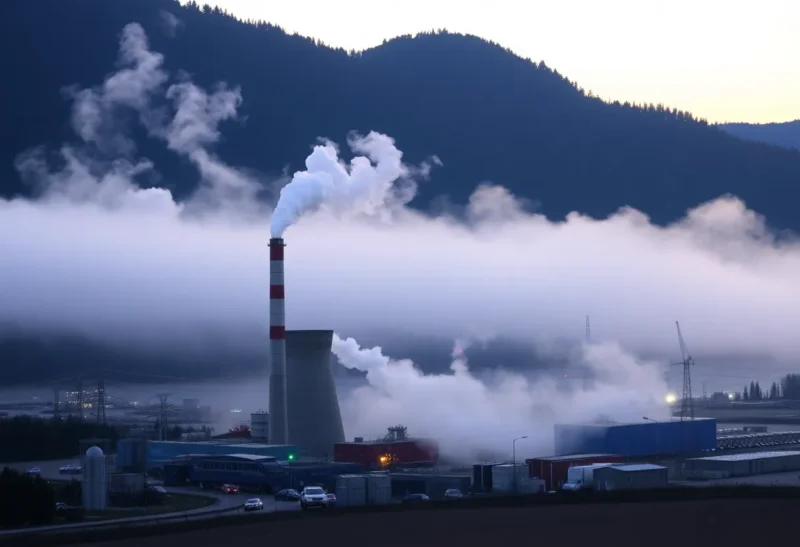
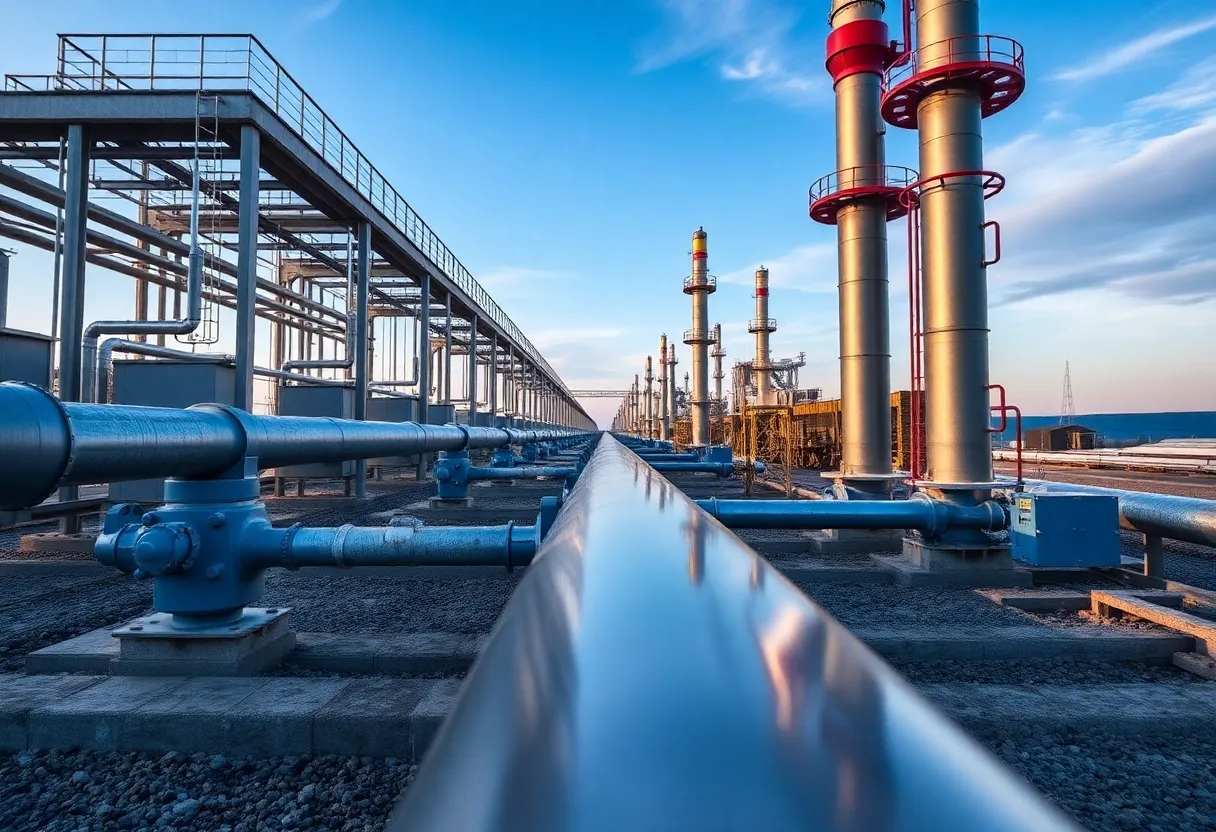
Point-source carbon capture—also called carbon capture and storage (CCS)—captures CO₂ at the location where it’s emitted: the exhaust stack of a power plant, cement kiln, steel furnace, or chemical plant. The technology intercepts emissions before they reach the atmosphere, compresses the CO₂, and transports it via pipeline to a geological storage site where it’s injected deep underground into porous rock formations.
This is the oldest and most extensively deployed form of carbon capture. The basic chemistry has been used in industrial settings for over a century—absorbing CO₂ with chemical solvents like monoethanolamine (MEA) is the standard approach. Post-combustion capture adds this process to the back end of a facility’s exhaust system.
The leading real-world examples: the Sleipner project in Norway has been injecting CO₂ into a saline aquifer under the North Sea since 1996—motivated originally by a Norwegian carbon tax on offshore oil and gas. The Quest CCS facility in Alberta captures CO₂ from an oil sands upgrader and stores it underground. The Boundary Dam project in Saskatchewan was the first large-scale CCS project on a coal power plant, though it has operated well below its designed capture capacity.
Point-source CCS can achieve 85–95% capture rates at the targeted facility, but it requires significant energy to run the capture process (reducing the facility’s net efficiency) and faces the challenge of building CO₂ transport and storage infrastructure. The technology works—it’s been demonstrated at industrial scale—but costs remain high (typically $50–100+ per tonne of CO₂ captured depending on the source gas concentration) and deployment has been slow relative to what would be needed to make a material impact on global emissions.
Bioenergy with Carbon Capture and Storage (BECCS)
BECCS combines biomass energy generation with carbon capture. The idea: plants absorb CO₂ from the atmosphere as they grow (making them roughly carbon-neutral energy sources). If you capture and store the CO₂ emitted when you burn those plants for energy, you’ve achieved net negative emissions—removing carbon that was already in the atmosphere rather than preventing new emissions.
BECCS appears prominently in the IPCC’s modeled pathways to limiting warming to 1.5°C, which led to significant investment in researching its potential. The Drax power station in the UK, which burns wood pellets imported largely from North America, has been piloting CCS at small scale and is working toward larger deployment.
The criticisms of BECCS are substantial. Growing biomass at the scale required by ambitious BECCS scenarios would demand enormous land area—potentially competing with food production and natural ecosystems. The carbon accounting is complex: whether burning wood is actually carbon-neutral depends on what forest management practices are used, what the land would otherwise have grown, and over what timeframe you assess the carbon cycle. Poorly managed BECCS could be worse for the climate than simply burning fossil fuels. The land constraints make very large-scale BECCS deployment ecologically problematic.
Direct Air Capture (DAC)
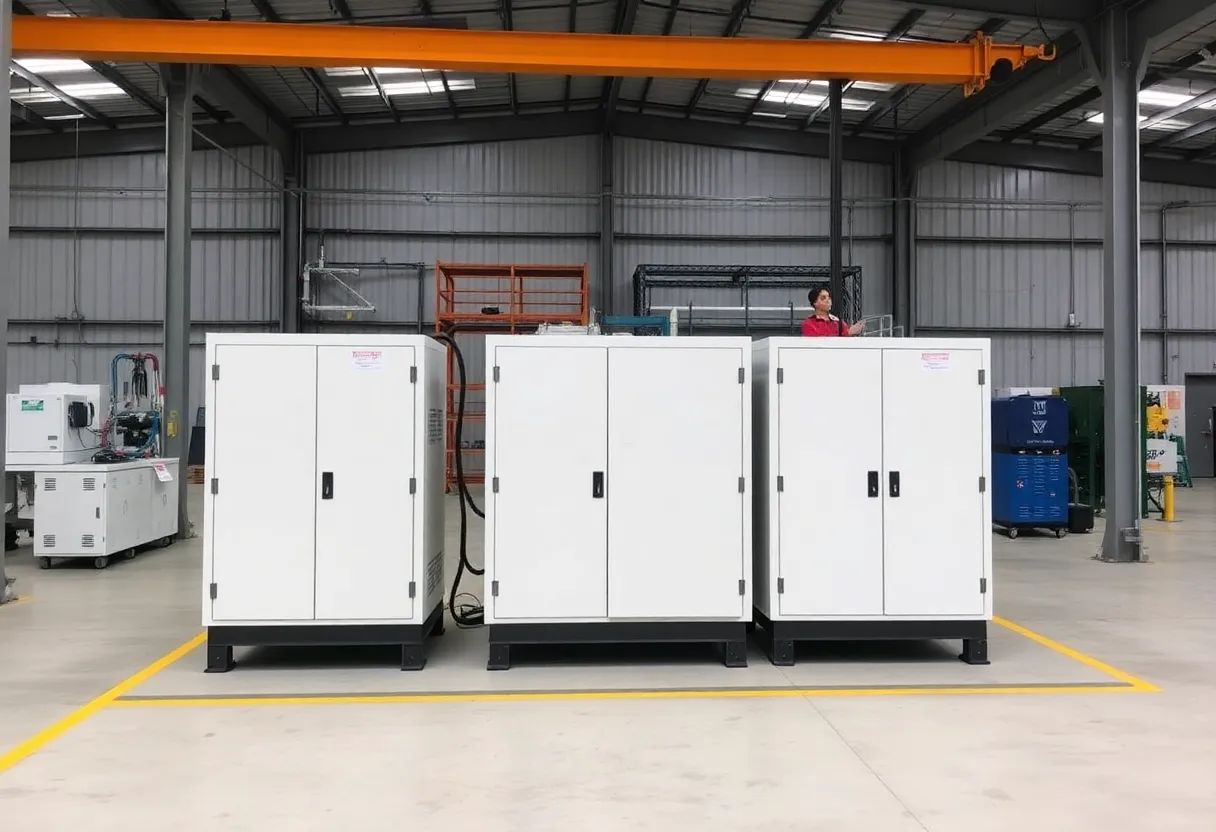
Direct air capture removes CO₂ directly from the ambient atmosphere—not from concentrated exhaust streams, but from the same air everywhere on Earth, which currently contains about 420 parts per million of CO₂. This approach is appealing because it’s not tied to any emission source—it can in principle be located anywhere and can address historical emissions, not just prevent new ones.
The challenge is that atmospheric CO₂ is extremely dilute. Point-source capture deals with exhaust gas containing 4–15% CO₂; ambient air contains only 0.042% CO₂. Concentrating CO₂ from such a dilute source requires significantly more energy than point-source capture, and the thermodynamics impose a minimum energy cost regardless of engineering improvements.
Two main approaches are in development:
Liquid solvent DAC (used by Carbon Engineering, now owned by Occidental): Large fans draw air over liquid potassium hydroxide solution that reacts with CO₂. The absorbed CO₂ is then released in a pellet reactor through reaction with calcium hydroxide, producing calcium carbonate pellets that are heated in a calciner to release pure CO₂. The energy requirement is significant: roughly 8.5 GJ per tonne of CO₂, mostly heat for the calciner.
Solid sorbent DAC (used by Climeworks): Air passes through contactors containing solid materials with high affinity for CO₂. When the sorbent is saturated, the contactor is closed and the sorbent is heated to 80–120°C to release the CO₂, then the cycle repeats. Energy requirement is somewhat lower, primarily electrical for the fans and heat for regeneration.
What’s Actually Deployed at Scale
The most straightforward way to assess carbon capture’s current status is to look at what’s actually operating and capturing meaningful quantities of CO₂.
Point-source CCS has the most operational projects. The Global CCS Institute counted roughly 30 large-scale CCS facilities in operation globally as of 2025, with a collective capture capacity of around 50 million tonnes of CO₂ per year. That sounds significant until you compare it to global annual emissions of around 37 billion tonnes—CCS currently captures about 0.13% of global emissions. The International Energy Agency’s net-zero scenarios call for capturing over 7 billion tonnes per year by 2050, requiring roughly a 140-fold scale-up from the current baseline.
Direct air capture is smaller still. Climeworks’ Mammoth facility in Iceland, opened in 2024, is the world’s largest operating DAC plant with a design capacity of 36,000 tonnes of CO₂ per year. Iceland is chosen because geothermal energy provides cheap, low-carbon electricity and heat for the capture process, and basaltic rock formations allow CO₂ to be mineralized underground quickly. 36,000 tonnes sounds like a lot until you realize that global emissions produce that amount in approximately 30 seconds.
Occidental Petroleum’s Stratos DAC facility in Texas, also launched in 2024, has a capacity of around 500,000 tonnes per year—a meaningful step up, though still orders of magnitude below what would be needed at scale. Stratos uses the captured CO₂ for enhanced oil recovery (injecting it into oil fields to increase extraction), which means the carbon accounting is more complicated than simple sequestration.
The Cost Problem
Current DAC costs are in the range of $400–1,000 per tonne of CO₂ removed. For context, the social cost of carbon—the economic damage caused by a tonne of CO₂ emissions—is estimated variously between $50 and $200 by different analyses. DAC currently costs several times the social cost of carbon it’s removing. Even optimistic learning curve projections see costs falling to $100–200 per tonne by mid-century with large-scale deployment, which would make it economically comparable to other mitigation strategies but not cheap.
Point-source CCS is cheaper—$50–100 per tonne for high-concentration sources—but still adds significant cost to the operations it’s attached to, which is why industrial operators have generally not adopted it voluntarily absent regulatory pressure or subsidies.
The US Inflation Reduction Act significantly expanded tax credits for carbon capture (Section 45Q), offering up to $85 per tonne for geologically sequestered CCS and $180 per tonne for DAC sequestration. These incentives have spurred a significant increase in announced projects in the US, though the gap between announced and actually built CCS projects has historically been large—many projects have been proposed, many fewer have been completed.
Storage: The Geological Question
For captured CO₂ to genuinely contribute to climate mitigation, it must be stored permanently—not used in short-lived applications (like carbonating beverages or enhanced oil recovery that eventually releases the CO₂) but locked in geological formations for millennia.
Saline aquifers—porous rock formations saturated with brine deep underground—are the primary storage target. The global storage capacity of saline aquifers is estimated in the hundreds to thousands of gigatonnes—far more than what would need to be stored even in aggressive CCS scenarios. The limitation is not total capacity but the availability of confirmed, characterized storage sites near emission sources or transportation infrastructure.
Mineralization—CO₂ reacting with rock to form stable carbonate minerals—is the most permanent form of storage. Iceland’s basalt geology allows rapid mineralization: CO₂ injected into basalt turns to stone within two years. Most geological formations mineralze CO₂ more slowly, over decades to centuries, but even dissolved CO₂ in saline aquifers is effectively trapped by pressure and solubility.
Monitoring stored CO₂ to confirm it stays in place is a requirement for credible CCS. Projects like Sleipner have decades of monitoring data showing stable storage—the CO₂ hasn’t migrated unexpectedly and the structural integrity of the storage formation has been confirmed repeatedly. Newer projects build monitoring requirements into their operating plans.
Where Carbon Capture Actually Makes Sense
The realistic role of carbon capture in climate policy is contested, and the debate often conflates different technologies and use cases. A clearer picture emerges when you separate the applications:
Hard-to-abate industrial emissions: Cement production releases CO₂ as a direct chemical consequence of the calcination process (converting limestone to lime)—you can’t eliminate those emissions through electrification alone. Steel production, certain chemical processes, and waste-to-energy facilities face similar constraints. Point-source CCS is the most credible pathway to deep decarbonization of these sectors, and is where deployment makes clearest sense. This application isn’t about extending fossil fuel use—it’s addressing emissions that have no other viable solution.
Geological sequestration for net negative: If global temperatures overshoot 1.5°C (which most scenarios now project), removing CO₂ from the atmosphere will eventually be necessary to bring temperatures back down. DAC is the only technology that can do this at scale without massive land use change. At current costs, DAC is not economically feasible at climate-relevant scales, but technology learning curves and low-carbon energy could change the economics over decades.
Fossil fuel power generation: Applying CCS to gas or coal plants is economically difficult, reduces net output by 15–25%, and competes with renewable generation that is now cheaper in most markets without capture costs. CCS on fossil power generation is the most contested application and the one that has seen the most project failures.
The Honest Assessment
Carbon capture works—the chemistry and engineering are demonstrated. The honest constraint is scale and cost. Current deployments capture a fraction of a percent of global emissions. Reaching climate-relevant scale would require unprecedented rates of infrastructure buildout, sustained policy support, and continued cost reduction driven by learning and technology improvement.
The technologies are not equivalent to each other. Point-source CCS on hard-to-abate industrial emissions has the clearest near-term role. DAC is a legitimate long-term option with currently prohibitive costs. BECCS has potential but faces land use constraints that limit its scale. None of them is a replacement for reducing emissions at their source—but the most credible climate scenarios see all of them contributing alongside aggressive emissions reduction across every sector of the economy.