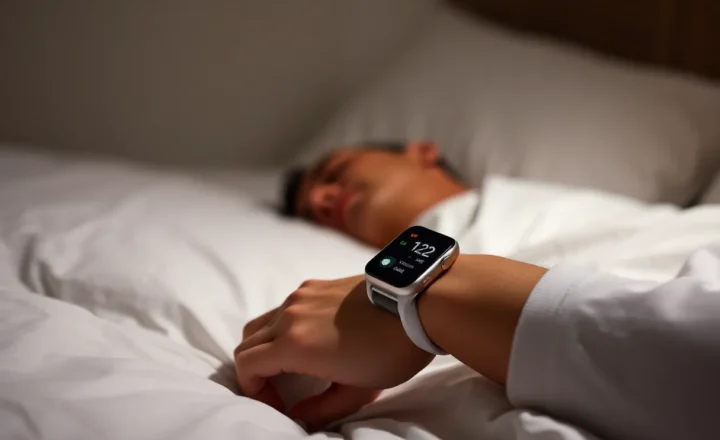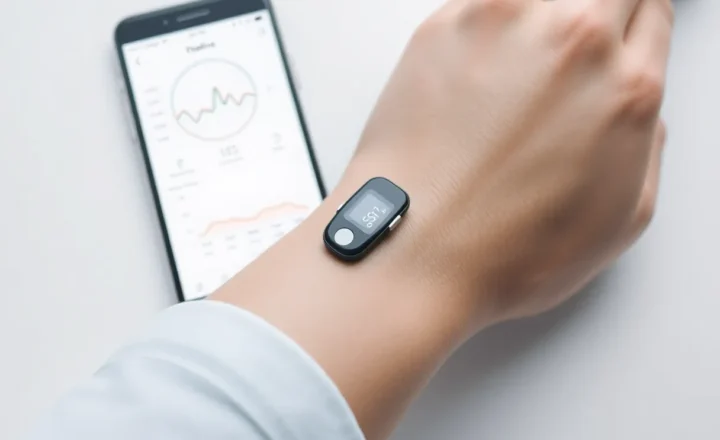

Most wearables that track sleep do one thing well: they give you a number in the morning. You slept 6 hours 42 minutes, you had 12 wake-ups, your resting heart rate was 58. Interesting—and then what? For a long time, that was the end of the story. The data didn’t clearly connect to actions that improved sleep. That’s changing. A new wave of wearables and apps is moving from passive tracking to active guidance: helping you wind down, tune your environment, and build habits that actually move the needle on how you feel when you wake up.
This isn’t about buying a magic device. Sleep is still heavily influenced by behavior, environment, and biology. But the right wearables can close the loop: they can tell you not just how you slept but what might have helped or hurt, and they can nudge you toward routines that stack over time. Here’s what’s working in 2026 and what to look for if you want wearables that actually change how you sleep.
From Tracking to Feedback Loops
Early sleep trackers were mostly descriptive. They showed you sleep stages (light, deep, REM) derived from movement and heart rate, and maybe a “sleep score.” The problem was that the scores were often opaque—why did you get a 72?—and the connection to what you did the day before was left to you. Newer devices and apps are better at linking cause and effect. They correlate your sleep with factors like: when you had caffeine, how late you ate, how much you moved during the day, and when you went to bed. Over time, you get personalized insights: “On nights when you exercise after 8 p.m., your deep sleep drops” or “Your sleep score is usually higher when you’re in bed by 10:30.” That feedback loop turns raw data into something you can act on.
Some wearables also push you to act in the moment. Smart rings and watches can remind you to start winding down, suggest a consistent bedtime based on your patterns, or trigger a “sleep mode” that silences notifications and dims connected lights. The device becomes part of the routine, not just a recorder of it.
What Actually Moves the Needle: Evidence and Limits
Sleep science is clear on the big levers: consistent sleep and wake times, exposure to natural light (especially in the morning), avoiding caffeine and heavy meals close to bedtime, and a dark, cool, quiet room. Wearables can’t do those for you—but they can make them easier to stick to. Alarms that wake you in a light sleep phase (based on movement or heart rate) can reduce grogginess. Wind-down reminders can help you protect the last hour before bed. And seeing the impact of a good week of sleep hygiene in your own data can reinforce the habit.
Not everything marketed as “sleep tech” is proven. Some devices still overclaim on the accuracy of sleep stages (consumer wearables are estimates, not medical-grade polysomnography). And correlation isn’t causation: if your tracker says you slept better after a workout, that might be real, or it might be confounded by other factors. The best use of wearables is as a tool for awareness and experimentation—try a change, see what the data does, and iterate. They’re most valuable when they support behavior change, not when they’re treated as medical devices.
Rings, Watches, and Bands: What to Choose
Sleep tracking is now available on most fitness watches (Apple Watch, Garmin, Samsung, etc.), dedicated sleep bands (e.g. Oura-style rings, Whoop), and some smart rings that focus heavily on sleep and recovery. Watches are versatile but need to be charged; some people find them uncomfortable to wear at night. Rings and slim bands are often easier to sleep in and can capture similar metrics (heart rate, HRV, movement). The “best” device depends on your preference for form factor, battery life, and how much you care about other features (GPS, notifications) versus sleep-only focus.
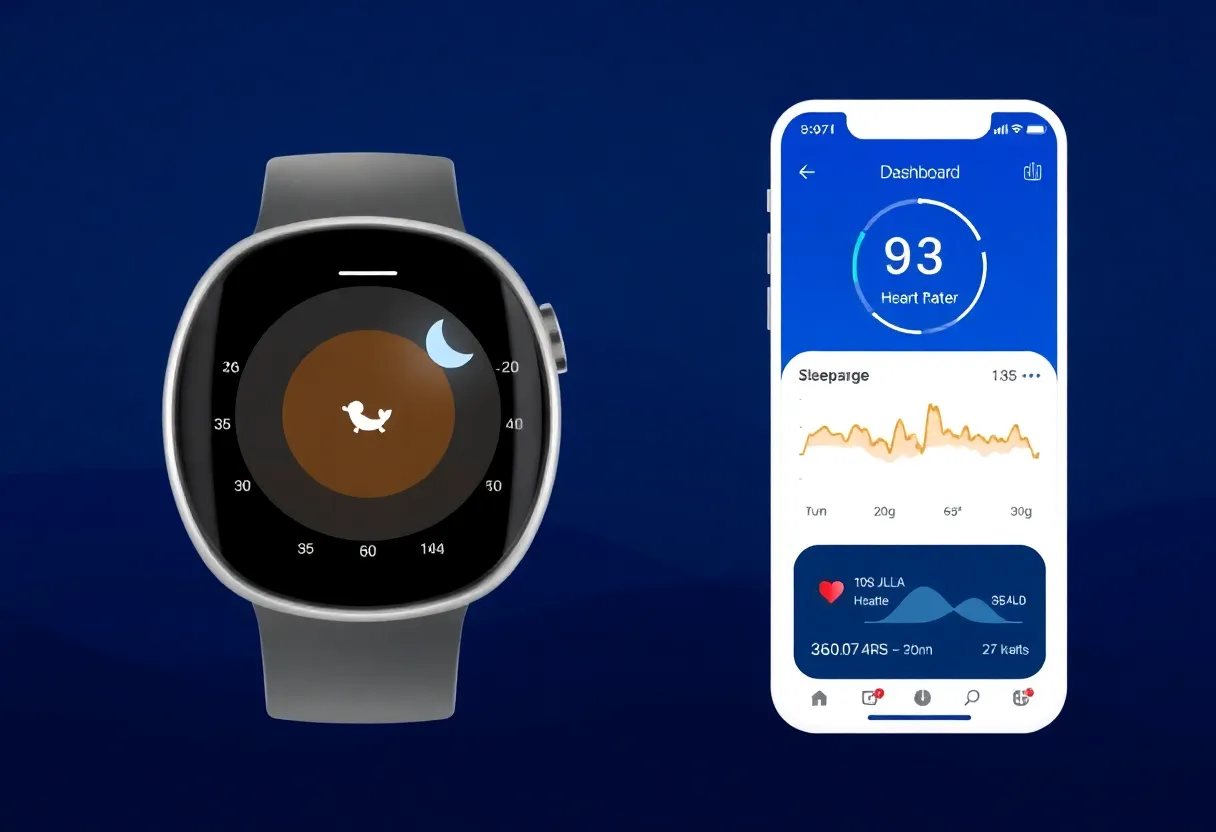
What matters more than the hardware is the software: does the app give you actionable insights and nudges, or just a number? Look for apps that tie sleep to daily habits, offer a wind-down or bedtime reminder, and let you log simple inputs (caffeine, alcohol, stress) so you can see what correlates with your best and worst nights.
What the Research Says (and Doesn’t Say)
Independent studies on consumer sleep wearables have shown that they’re reasonably good at detecting sleep versus wake and total sleep time, but less accurate at distinguishing deep sleep, REM, and light sleep compared to a lab polysomnography. That doesn’t make them useless—trends over time (e.g. “you’re sleeping 20 minutes more on average this month”) are still informative. The key is to treat the numbers as relative guides, not ground truth. If your device says your deep sleep improved after you fixed your bedtime, that’s a useful signal; obsessing over the exact percentage is not. Some wearables are now validated against actigraphy or limited clinical comparisons; if you want the most reliable consumer-grade data, look for devices that publish validation studies rather than marketing claims alone.
Building a System That Sticks
Wearables that actually change how you sleep do it by closing the loop: measure, reflect, act, repeat. Pick one or two behaviors to optimize first (e.g. consistent bedtime, no caffeine after 2 p.m.), use the device to see how they affect your data over a few weeks, and then add the next habit. The goal isn’t a perfect score every night; it’s incremental improvement and a routine you can sustain. The wearable is the feedback mechanism—the real change comes from what you do with the information. When it works, you’re not just tracking sleep; you’re using the data to build a system that makes better sleep the default.