What Makes a Supply Chain Resilient: Lessons From Recent Disruptions

Carlos Reyes
July 7, 2026
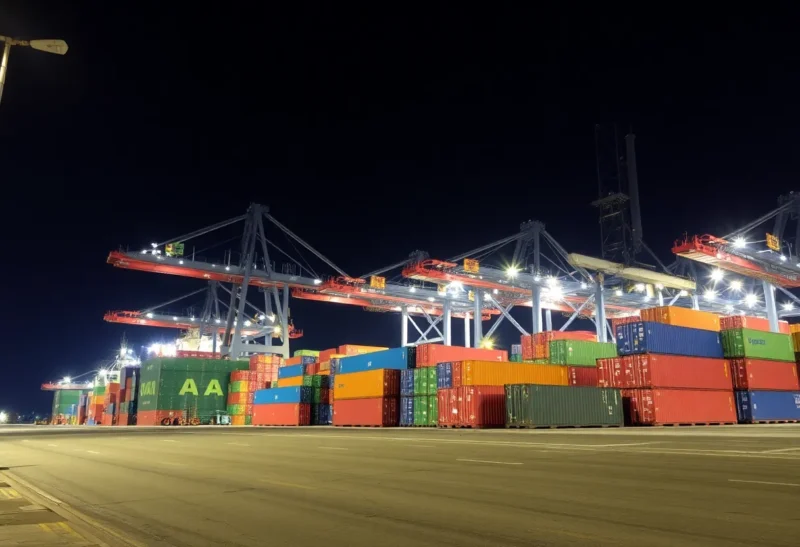
The pandemic-era supply chain disruptions exposed what operations management researchers had been documenting for decades: that global just-in-time supply chains optimised for efficiency under normal conditions have very limited ability to absorb shocks. Automotive plants idled for lack of semiconductor chips. Consumer electronics companies discovered single-source dependencies on components that couldn’t be quickly substituted. Shipping container imbalances that persisted for months revealed how tightly calibrated the logistics system was and how poorly it handled demand spikes.
The concept of supply chain resilience—the ability to anticipate, prepare for, respond to, and adapt to disruptions—has been in the academic literature for two decades, and the COVID disruptions provided a large-scale stress test of whether the principles had been implemented. The answer, in most cases, was not sufficiently. The post-disruption period of investment in resilience strategies offers an opportunity to examine what actually works and what the trade-offs are.
What Resilience Actually Requires
Supply chain resilience is often conflated with supply chain robustness—the ability to continue operating without disruption. These are different things. A robust supply chain minimises the probability of disruption through redundancy, backup suppliers, and inventory buffers. A resilient supply chain recovers quickly from disruptions that do occur, through flexibility, visibility, and adaptive response capability.
The distinction matters because perfect robustness is not achievable for complex global supply chains—the space of possible disruptions is too large, and the cost of maintaining sufficient redundancy for every possible event exceeds the expected value of that redundancy. Resilience—the ability to adapt and recover—provides a different kind of protection that doesn’t require predicting and preventing every possible disruption.
The five operational dimensions of supply chain resilience identified consistently in the research literature are: visibility (knowing where materials are in the supply chain and detecting disruption signals early), flexibility (the ability to use alternative sources, routes, and processes), collaboration (information sharing with suppliers and customers to coordinate responses), financial reserves (cash or credit capacity to fund rapid procurement or inventory build), and redundancy (backup capacity, inventory buffers, and alternative suppliers that can be activated).
The Semiconductor Shortage: A Resilience Failure Anatomy
The automotive semiconductor shortage of 2021-2022 provides the clearest recent case study in supply chain resilience failure. The chain of events illustrates several distinct failure modes:
When pandemic demand for consumer electronics surged in 2020, semiconductor fabrication capacity (which is fixed on multi-year timescales—a new fab takes 2-3 years and $10-20 billion to build) shifted toward higher-margin consumer electronics chips away from automotive chips. When automotive demand recovered faster than expected, there was no available fab capacity to produce automotive chips.
Most automotive manufacturers had adopted just-in-time inventory practices and held weeks rather than months of semiconductor inventory. When supply disrupted, the buffer was exhausted in weeks. Carmakers with strong supplier visibility and pre-negotiated allocation agreements maintained supply better than those who discovered they had de facto single-source dependencies on chips they had treated as commodities.
The suppliers most resilient to the shortage were those who had built strategic inventory buffers for critical components, had developed relationships with multiple chip suppliers before the crisis, and had supply chain visibility systems that detected the tightening capacity situation in time to act. These weren’t just lucky—they had made deliberate resilience investments in prior years.
Diversification vs. Concentration: The Core Trade-Off
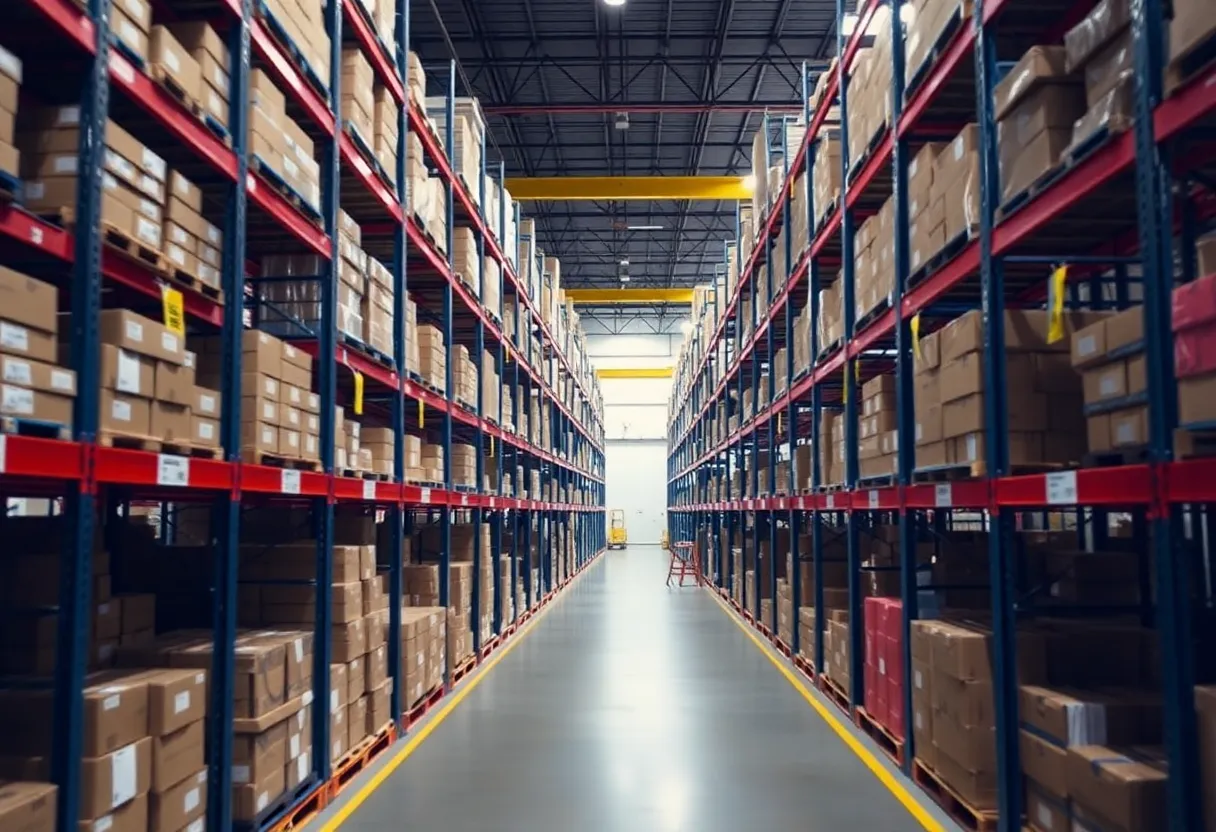
The most straightforward resilience intervention—spreading sourcing across multiple geographically diverse suppliers—is also the one most directly in tension with the efficiency logic that drove supply chain concentration in the first place. A single large supplier typically offers lower per-unit cost, easier quality management, and simpler logistics than three smaller suppliers in different countries. The efficiency argument for concentration is real and explains why it developed.
The resilience argument for diversification is also real: geographic concentration creates correlated risks. The 2011 Japan earthquake and tsunami disrupted multiple industries because they had concentrated suppliers in the Tōhoku region—automotive, electronics, and specialty chemicals were all affected simultaneously because they had all optimised sourcing to the same region.
The practical resolution is not to diversify everything but to prioritise diversification for the most critical and least substitutable components—the ones whose failure would halt production and that are hardest to quickly source elsewhere. Mapping the supply chain to identify these “keystone” dependencies is the analytical starting point. For commodity components with many potential suppliers, single-sourcing is less risky; for specialised components with limited or single global sources, resilience investment (qualification of second sources, strategic inventory, long-term capacity reservations) has higher return.
Nearshoring and Reshoring: What the Evidence Shows
The pandemic disruptions generated significant political momentum for reshoring (moving production back to domestic locations) and nearshoring (moving production to geographically closer countries). The political argument—that strategic industries should not be dependent on distant foreign suppliers—is separate from the resilience argument, but they overlap.
The evidence on whether nearshoring actually improves resilience is more nuanced than the political discourse. Geographic proximity reduces the time dimension of supply disruption (a problem in a nearby country can be responded to faster than one on the other side of the world), but doesn’t reduce all disruption risks—nearby suppliers can be affected by the same regional weather events, labour market conditions, or regulatory changes. Some of the most significant supply chain disruptions of recent decades have affected domestic suppliers rather than offshore ones.
The cost implications of reshoring are substantial and contested. For labour-intensive manufacturing, domestic production costs can be 2-5x higher than offshore costs. For highly automated production, the cost differential is smaller. The political will to subsidise or mandate reshoring for strategic industries is real and has produced meaningful investment through programmes like the CHIPS Act and the IRA, but the economic viability of reshored production without sustained subsidy or protective trade policy is uncertain for many industries.
Visibility and Digital Infrastructure
Companies that navigated recent disruptions better than their competitors consistently had better supply chain visibility—the ability to see where materials are in their supply chain, what their suppliers’ suppliers are doing, and what early signals of disruption look like. Many companies discovered during COVID that their visibility extended to tier 1 suppliers but not to tier 2 and 3—and that the disruptions were often occurring at tier 2 and 3 where they had no visibility.
Investment in supply chain visibility platforms, supplier risk monitoring systems, and real-time inventory tracking has accelerated significantly since 2020. These investments don’t prevent disruptions but shorten the time from disruption occurrence to disruption detection, which is often the critical variable in whether a company can respond before a supply interruption affects production.
The combination of better visibility, deliberately maintained strategic inventory for critical components, qualified second sources for the most critical dependencies, and relationships that enable rapid reallocation during scarcity—these are the operational practices that distinguished companies that managed recent disruptions well from those that were caught without options.