What Makes a City Transit System Actually Work—And What Doesn’t

Nadia Petersen
July 7, 2026
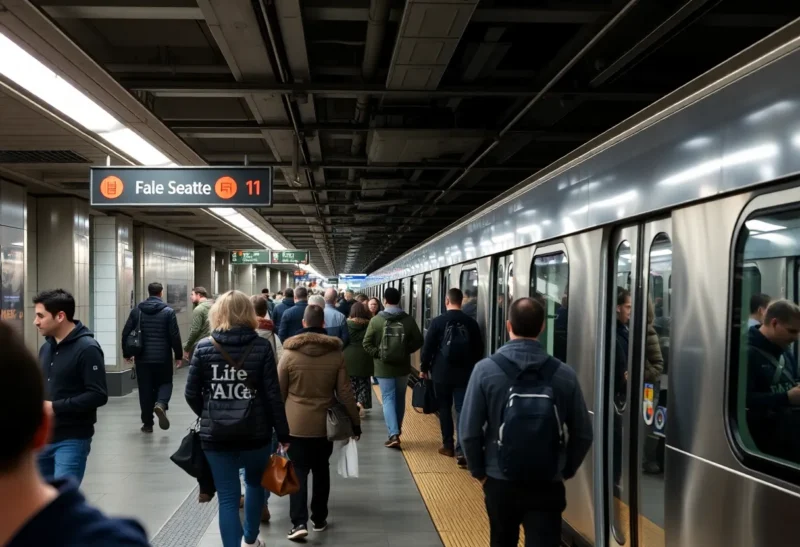
Urban transit systems exist in every major city in the developed world, yet their quality, usage rates, and actual utility to residents vary enormously. Tokyo and Zurich have transit systems so reliable and comprehensive that large fractions of their populations function effectively without car ownership. New York’s subway is simultaneously among the busiest transit systems in the world and among the most frequently complained about for delays and unreliability. Los Angeles built light rail lines at enormous expense that carry relatively few riders compared to their cost. Understanding what actually makes transit work — and what leads to systems that are expensive to build and underused — explains a great deal about why cities with similar transit investment have dramatically different outcomes.
Frequency Is More Important Than Coverage
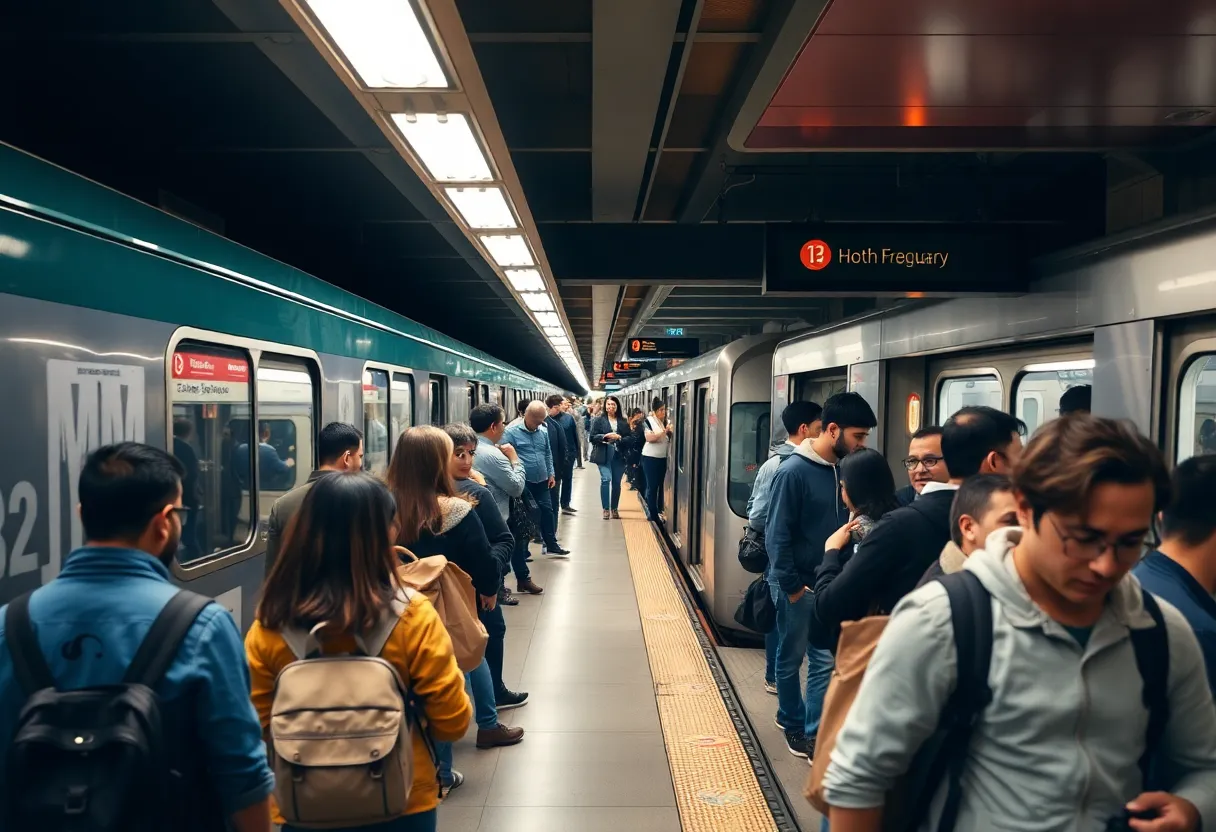
The single most important variable for transit effectiveness is service frequency — how often a vehicle arrives at any given stop. A transit network with lines that run every 4 minutes is fundamentally different in character from one that runs every 20 minutes, even if they have the same route coverage. When a train arrives every 4 minutes, riders can arrive at a station at any time and expect a wait of 0–4 minutes; no schedule memorization is required, missed trains don’t ruin trips, and transit competes favorably with personal vehicles for spontaneous travel. When a train runs every 20 minutes, missing one means a 20-minute wait that riders must plan around or avoid by timing their trips precisely.
Jarrett Walker’s work on transit frequency (“Human Transit”) articulates this as the distinction between “frequent” transit (every 15 minutes or better, which allows treating transit as available rather than requiring schedule adherence) and “infrequent” transit (everything less frequent). Frequent transit networks generate substantially higher ridership per service mile than infrequent ones because the behavioral barrier to transit use is lower. Tokyo’s metro runs 3–5 minute headways in peak hours and 6–10 minute headways in off-peak hours; riders in Tokyo never wait significantly. Most American light rail lines run 15–20 minute headways, forcing schedule compliance that most people’s lifestyles can’t accommodate consistently.
The frequency-coverage tradeoff is one of the central debates in transit planning. Extending a system’s geographic coverage (more stops, more routes) increases the number of origin-destination pairs that transit can serve. But extending coverage often requires the same operating budget to be spread across more routes, reducing frequency on each. A city that extends its transit network across a wide geographic area while maintaining low frequency often ends up with a system that nominally serves many places but practically serves very few people — because at 30-minute headways, each route serves only those riders whose schedules happen to align with the service times.
The Land Use Prerequisite
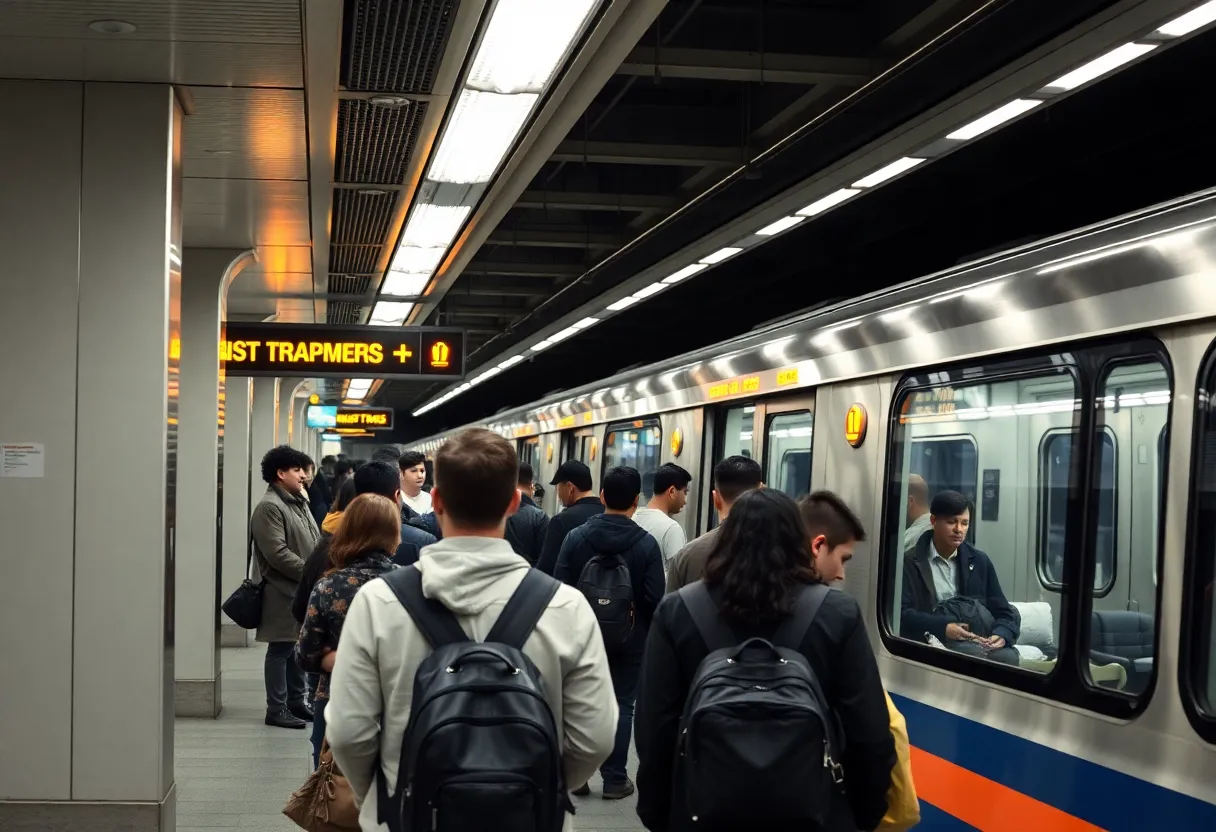
Transit serves destinations. For transit to be useful to a rider, the rider needs to be able to reach something valuable at both ends of their trip. This requires density: the origin and destination must both have enough activity within walking distance of a transit stop that riders don’t need a car to complete their trip after leaving the station. A transit stop surrounded by parking lots, set-back shopping centers, and low-density housing serves almost nobody efficiently.
The land use dependency of transit is why American light rail lines in low-density suburban environments consistently underperform ridership projections. A light rail line passing through strip malls and parking lots, surrounded by neighborhoods where every errand requires driving, connects people who need cars at both ends of their trip to places that can also be reached by driving — offering no practical advantage over the car they’d need for the first and last mile anyway. Tokyo’s transit density works because Tokyo’s land use is dense enough that walking from a transit stop to the destination is nearly always possible; the walk from the station completes the trip rather than requiring a secondary vehicle.
Zoning policy changes that allow denser mixed-use development near transit stations (transit-oriented development) have become a priority for cities that want transit investment to produce ridership outcomes. Minneapolis’s upzoning around transit corridors, Seattle’s rezoning near Link Light Rail stations, and similar policies in Portland and Denver attempt to create the density precondition that makes transit investment produce effective results rather than high-cost underused infrastructure.
Mode Choice: When Rail vs. Bus Matters
The preference for rail over bus transit in American transit planning has produced numerous expensive rail investments that perform worse than well-designed bus rapid transit (BRT) alternatives would have at a fraction of the cost. The genuine advantages of rail are: higher capacity (articulated trains can carry more riders than articulated buses), permanence (fixed rail infrastructure signals long-term commitment that can anchor land development around stations), and where applicable, dedicated right-of-way that removes the system from automobile traffic. The disadvantages are: dramatically higher capital cost, lower route flexibility (rail is fixed; buses can be rerouted as demand patterns change), and the difficulty of extending coverage once built.
Bus Rapid Transit — buses operating on fully dedicated lanes with high-frequency service, level boarding, off-board fare payment, and real-time passenger information — can achieve most of the passenger experience advantages of rail at a fraction of the capital cost. Curitiba’s BRT system, Bogotá’s TransMilenio, and Auckland’s Northern Express are examples of BRT achieving quality transit at costs that enabled higher frequency and coverage than equivalent rail investment would have. American cities have repeatedly built heavy rail or light rail in contexts where BRT would have produced better outcomes for the investment, largely due to the political economy of rail versus bus — rail is perceived as permanent investment that stimulates development; BRT is perceived as “just buses” regardless of its operational quality.
The Funding and Political Economy Problem
Transit operates in a political economy that consistently biases toward capital investment over operations. Politicians prefer ribbon-cutting at new stations over funding operating budgets that maintain service frequency; federal funding programs in the US historically provided capital grants without operating subsidies, leading agencies to build infrastructure they then couldn’t afford to operate at effective frequency. The Washington DC Metro spent decades accumulating deferred maintenance while building new extensions, producing a capital-rich but operationally deteriorating system. The MTA in New York has billions in backlog maintenance while struggling to fund adequate operations.
The cities with the best transit outcomes share a political willingness to fund operations generously over time, not just capital projects. Zurich’s city and canton provide operating subsidies that maintain 10-minute or better headways across the transit network, including at night. Vienna’s U-Bahn operates until 0:30am on weekdays and all night on weekends. These service standards reflect political choices about public transit as core infrastructure that justify operational funding, rather than treating transit operations as a cost-minimization problem that reduces service until ridership drops enough to justify further cuts — the negative feedback loop that has characterized transit in many American cities.