The EV vs Hydrogen Debate: Which Actually Wins for Long-Distance Travel?

Jordan Lee
July 7, 2026
The debate between battery electric vehicles and hydrogen fuel cell vehicles has run for years, and it has become one of those technology arguments that generates more heat than clarity. The reality of which technology is better for long-distance travel is not a matter of opinion—it can be evaluated on specific, measurable dimensions: energy efficiency, infrastructure realities, refuelling time, cost trajectories, and the physics of how each system works. The answer is clear in some respects and genuinely uncertain in others.
How Each System Works
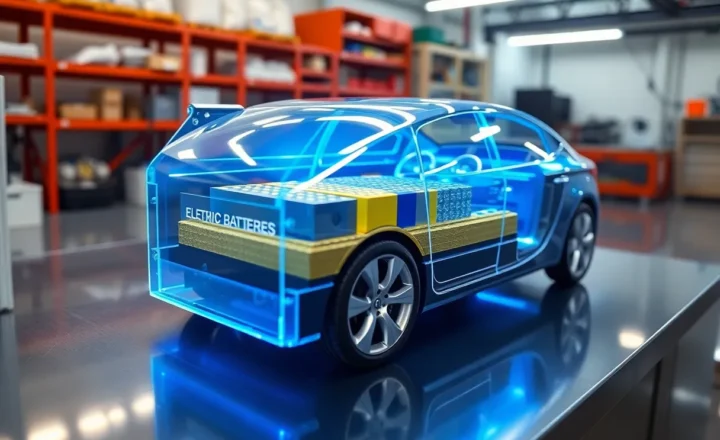
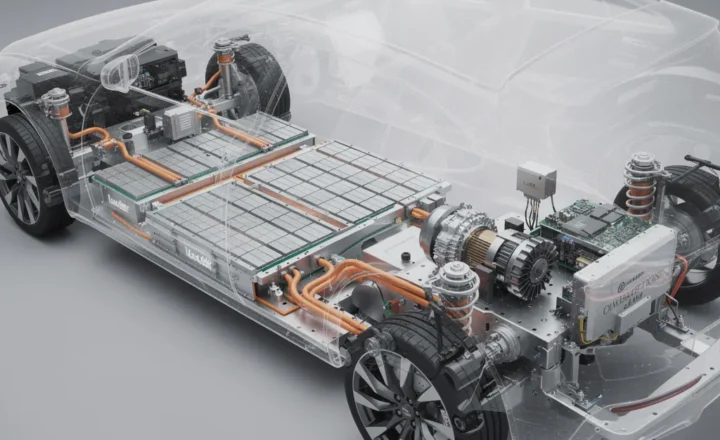
A battery electric vehicle stores electrical energy in a lithium-ion (or lithium iron phosphate, or other chemistry) battery pack and drives an electric motor directly from that stored electricity. The energy chain from the grid to the wheels is: electricity generated → electricity stored in battery → electricity drives motor → mechanical energy at wheels. Each conversion step has efficiency losses.
A hydrogen fuel cell vehicle stores energy as compressed hydrogen gas. A fuel cell combines hydrogen with oxygen from the air in an electrochemical reaction that generates electricity, which drives an electric motor. The energy chain for green hydrogen (the only version that’s environmentally meaningful) is: electricity generated → electrolysis splits water into hydrogen and oxygen → hydrogen compressed and transported → hydrogen fed to fuel cell → electricity drives motor → mechanical energy at wheels. This is a longer chain with more conversion steps.
The efficiency difference is significant. The well-to-wheel efficiency of battery EVs is typically around 70–80%, meaning most of the original electrical energy reaches the wheels. The well-to-wheel efficiency of hydrogen fuel cell vehicles is typically around 25–35% for green hydrogen, because electrolysis, compression, transport, and fuel cell conversion each extract efficiency losses. This means that running the same distance on a hydrogen FCEV requires roughly three times as much electricity as the equivalent BEV.
The Long-Distance Argument for Hydrogen
The case for hydrogen in long-distance transport is not about passenger cars—it’s about applications where batteries have fundamental disadvantages: weight and energy density.
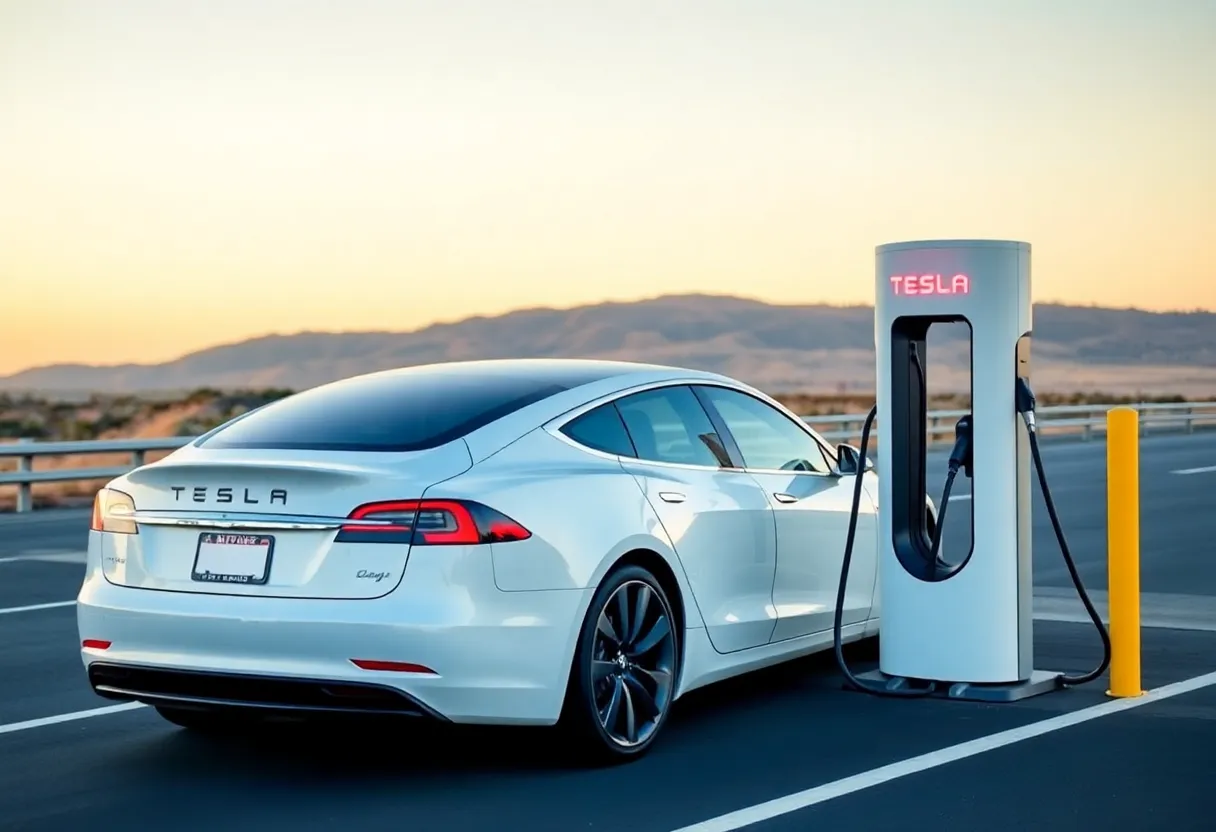
Batteries are heavy. A Tesla Model S Long Range has an 100 kWh battery pack weighing approximately 625 kg. To carry meaningful energy for long-distance heavy transport—trucks, buses, ships, aircraft—scaling batteries proportionally creates weight penalties that undermine the vehicle’s payload capacity. A long-haul truck carrying a battery pack large enough for a 1,000-km range would be hauling several tonnes of battery before it loaded any cargo.
Hydrogen’s energy density by weight (33 kWh/kg for liquid hydrogen, lower for compressed gas) is dramatically higher than lithium-ion batteries (around 0.25 kWh/kg at pack level). For applications where weight and volume of the energy store matter—aviation, shipping, long-haul trucking—hydrogen has a thermodynamic case that batteries struggle to counter even as battery technology improves.
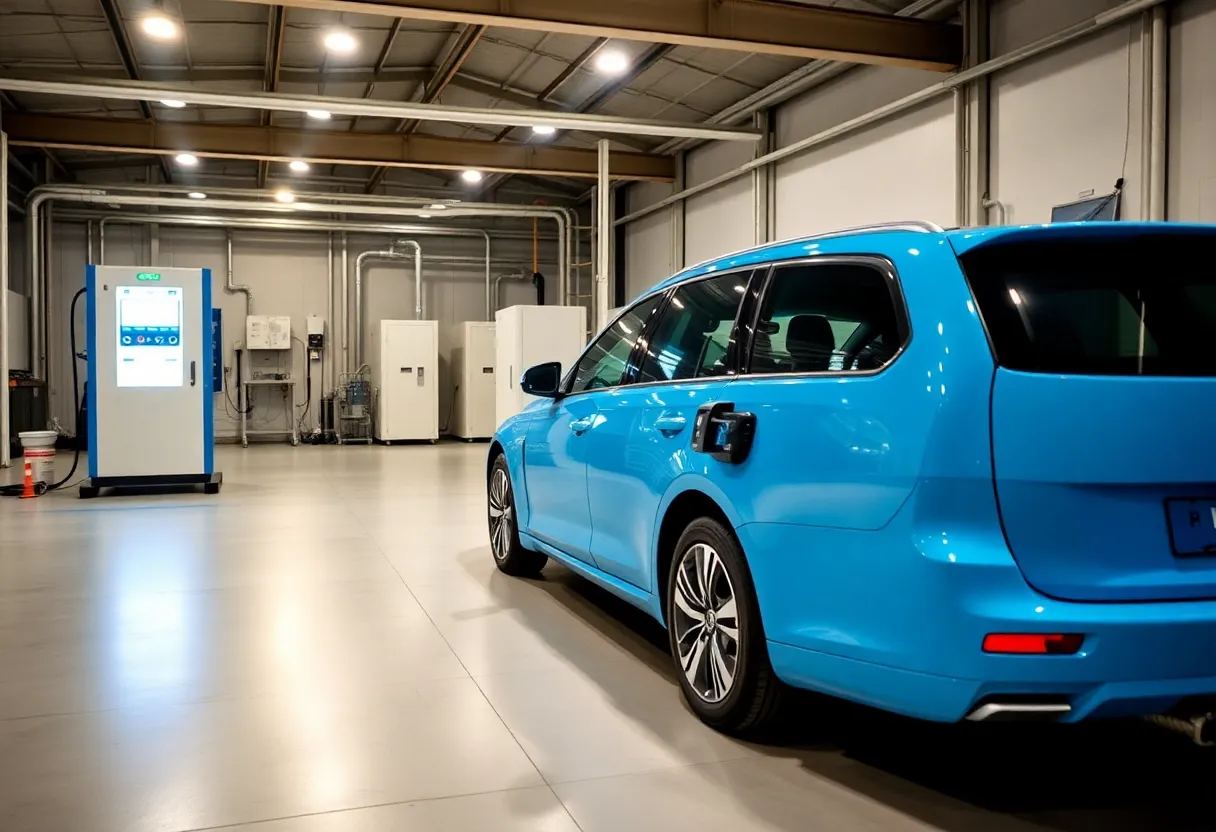
Refuelling time is another genuine advantage for hydrogen. Filling a hydrogen tank takes 3–5 minutes—comparable to a gasoline fill-up. Charging a battery EV, even at the fastest DC fast chargers, takes 20–40 minutes for a significant charge. For long-distance passenger vehicles covering high annual mileages, this time difference accumulates. For commercial applications where vehicles must maximise utilisation hours, the fuelling time advantage is operationally significant.
Why Hydrogen Has Stalled for Passenger Cars
Despite the theoretical arguments for hydrogen, its adoption in passenger car applications has been slow and is likely to remain so. Several structural factors work against it.
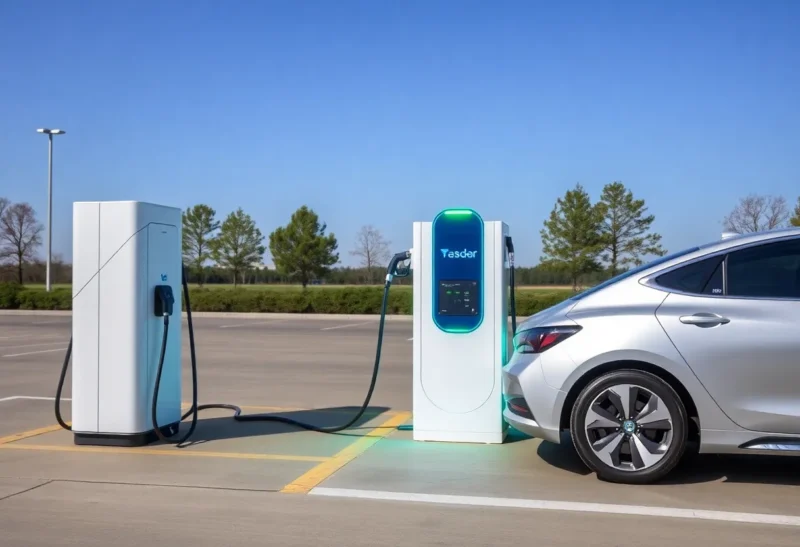
Infrastructure. Battery EV charging infrastructure has scaled dramatically—Tesla Superchargers, Electrify America, IONIQ 5 network, and standard J1772/CCS chargers are now widely available across most of North America and Europe. Hydrogen refuelling stations, by contrast, are sparse, concentrated in California in the US and a handful of European countries. Building out hydrogen infrastructure has progressed slowly despite years of investment commitments.
Cost. Green hydrogen (produced by electrolysing water with renewable electricity) remains significantly more expensive per kilometre of travel than electricity for battery EVs, accounting for the efficiency difference. Even optimistic projections for green hydrogen cost reductions show hydrogen remaining more expensive per kilometre than grid electricity for passenger EVs through most of the 2030s.
Blue and grey hydrogen. Most hydrogen currently produced is “grey” (from natural gas steam methane reforming) or “blue” (grey with carbon capture). Neither delivers the full carbon reduction benefit of green hydrogen. Using grey hydrogen in FCEVs is meaningfully worse for emissions than using average grid electricity in BEVs, which complicates the environmental case for hydrogen vehicles unless green hydrogen supply is confirmed.
The practical result is that the major automotive manufacturers have largely retreated from hydrogen passenger car programmes. Toyota persists with the Mirai; Hyundai produces the Nexo in small volumes. Most others have redirected investment to BEV development. The passenger car market has effectively decided.
Where Hydrogen Is Winning
The applications where hydrogen is making genuine inroads are specifically the heavy-duty, long-range, high-utilisation categories where the battery disadvantages are most acute.
Long-haul trucking is the most actively developed space. Hyundai, Nikola, Daimler Truck (with Cellcentric fuel cells), and several Chinese manufacturers have hydrogen fuel cell trucks in commercial operation or advanced development. The refuelling time advantage and weight efficiency at high range make the economics work better than for passenger vehicles—particularly for routes between fixed terminals where dedicated refuelling infrastructure can be built.
Maritime shipping is another active area. Hydrogen-based fuels (including ammonia, which can be produced from green hydrogen) are being evaluated for large vessels, where the infrastructure of a few port terminals can support an entire shipping lane, and where the energy density advantage of hydrogen over batteries is most pronounced.
Aviation is perhaps the most interesting long-term case. Aircraft must carry their energy storage, and the weight penalty of batteries at current energy density makes battery-powered aviation impractical beyond short-range regional flights. Liquid hydrogen, despite handling complexity, offers energy density that could enable medium-haul hydrogen-powered aircraft. Airbus has active hydrogen aircraft programmes targeting 2035 entry into service, and the alternative—sustainable aviation fuel (SAF) from various feedstocks—is seen as a complement rather than a replacement.
The Honest Long-Distance Passenger Car Answer
For passenger cars driving long distances today and for the foreseeable future, battery EVs win on the basis of infrastructure availability, total cost of ownership, energy efficiency, and the trajectory of both charging speeds and battery range improvements. The Supercharger network, CCS network, and growing universal charging infrastructure have fundamentally changed the long-distance BEV proposition from what it was in 2018.
The 20–40 minute charging stop every 3–4 hours is a genuine trade-off compared to hydrogen’s 5-minute fill-up. For drivers who find this acceptable—and research on actual EV ownership suggests most do, particularly those who charge at home—BEVs deliver excellent long-distance performance at lower cost.
For heavy-duty transport, industrial applications, and aviation, hydrogen has a strong case that battery technology improvements haven’t displaced. The two technologies are likely to coexist in a segmented market: batteries for passenger vehicles and short-to-medium range commercial vehicles; hydrogen for the high-load, high-range applications where energy density and refuelling time advantages are most operationally important.
The framing of the debate as a binary winner-takes-all contest is the misleading part. The physics of each application domain selects different technologies, and acknowledging this produces a clearer picture than arguing that hydrogen will defeat EVs or vice versa at every scale and use case.