How the Logistics Behind Same-Day Delivery Actually Work

Tomasz Wojcik
July 7, 2026
Same-day delivery has shifted from a premium novelty to an expected feature of e-commerce in a remarkably short period. Amazon Prime’s same-day delivery covers millions of items in major metro areas; Walmart has built same-day infrastructure at scale through its store network; specialized services like Instacart and DoorDash have extended same-day delivery into grocery and retail in ways that weren’t possible a decade ago. The logistics that make this possible — pulling a package from inventory, routing it to a delivery vehicle, and placing it at someone’s door within hours of a digital purchase — involve supply chain architecture that’s significantly different from the next-day and two-day delivery systems that preceded it.
The Inventory Proximity Problem
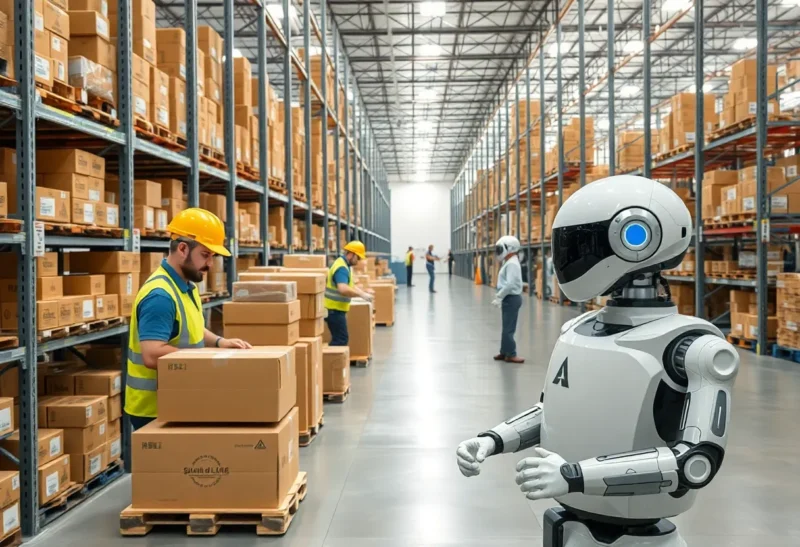
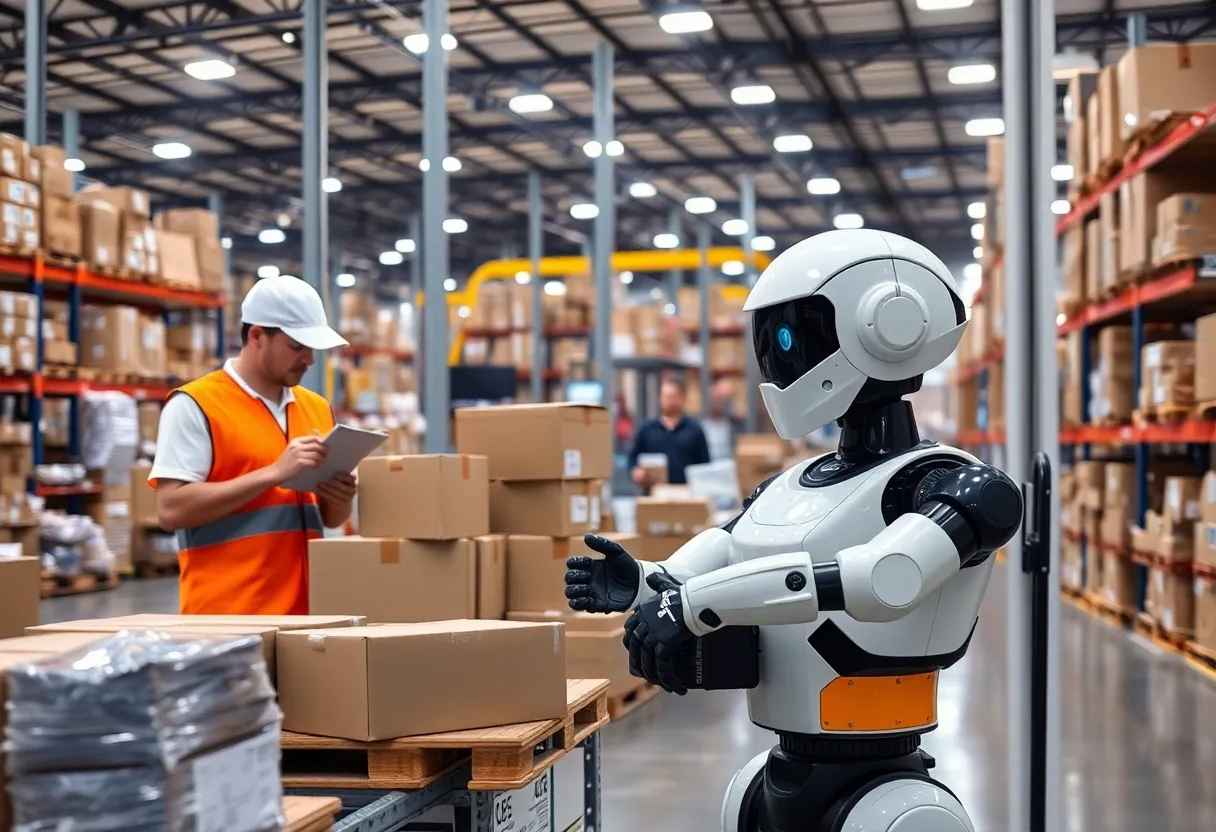
Same-day delivery is fundamentally a proximity problem. Standard e-commerce fulfillment uses regional distribution centers that serve large geographic areas — a fulfillment center in Pennsylvania can serve the entire Northeast for next-day delivery without much difficulty. Same-day delivery cannot source from a regional center because the driving distance from a regional center to any given customer address will typically take longer than a few hours, even with fast routing. The inventory for same-day delivery must be physically closer to the customer.
Amazon solved this by building a network of “same-day sites” — fulfillment centers specifically designed for same-day delivery that are sited in or near urban population centers rather than in exurban areas optimized for trucking access. These facilities are smaller than standard fulfillment centers and carry a curated inventory of the fastest-moving items most likely to be ordered for same-day delivery — a selection process driven by demand data from that specific market. Not everything in Amazon’s catalog is available for same-day delivery from any given location; the same-day eligible products are the subset that’s physically present in the local same-day site.
Walmart’s approach uses its physical store network as distributed fulfillment infrastructure. A customer ordering for same-day delivery from Walmart is often being fulfilled from the inventory of the Walmart store nearest to them, which is likely to be within a few miles for much of the US suburban population. Store fulfillment workers pick orders from store shelves, and delivery drivers (through Walmart’s Spark delivery service or third-party partners) pick up orders and complete last-mile delivery. This approach makes the inventory proximity problem easier to solve (stores are already everywhere) but creates tension between store operation and fulfillment (workers picking online orders and customers shopping in the same aisles).
Route Optimization and Last-Mile Complexity
Last-mile delivery — the final step from a local hub to the customer’s door — is the most expensive and logistically complex segment of the same-day delivery chain. A delivery vehicle making 50 stops in a day is navigating a routing optimization problem that needs to balance distance minimization, time window constraints (customers who specify delivery windows), delivery density (the number of stops per geographic area determines unit economics), traffic conditions that change through the day, and vehicle load capacity. The algorithms solving these routing problems — vehicle routing problem (VRP) variants — are computationally intensive and must be updated continuously as new orders arrive and conditions change.
For same-day delivery, the routing challenge is compounded by the continuous arrival of new orders. An order placed at noon for same-day delivery creates a new constraint in a routing plan that was built based on orders placed before noon, potentially disrupting optimized routes and requiring dynamic re-routing. Real-time route replanning as orders arrive is one of the core technical challenges in same-day logistics operations.
Delivery density is the economic lever that determines whether same-day delivery is profitable in a given market. A route with 60 stops per driver per shift has a very different unit economics than a route with 20 stops — the labor cost per delivery is three times higher at lower density. Same-day delivery tends to be economical in dense urban areas (many stops per area, short driving distances between stops) and uneconomical in suburban or rural areas where low delivery density makes the per-delivery cost high. This is why same-day coverage maps show strong concentration in metro areas and thin coverage in less dense geographies, a pattern that reflects the economic reality of the density math rather than lack of effort.
The Role of Gig Drivers and Dynamic Workforce Management
The delivery labor for same-day services is predominantly gig-economy-based rather than traditional employee relationships. Amazon Flex, DoorDash, Instacart, and Walmart Spark use app-based platforms that let independent contractors accept delivery assignments on flexible schedules. This workforce model is essential to same-day delivery’s unit economics: traditional employment at predictable hours creates mismatch between workforce size and demand peaks, which are highly variable throughout the day. Gig platforms can scale delivery capacity up during peak demand periods (lunch, evening, Friday before a holiday) and down during off-peak periods without the cost of maintaining idle employees.
The tradeoffs of gig delivery labor are significant and increasingly contested. Gig drivers bear the cost of vehicle ownership, maintenance, fuel, and insurance, which effectively subsidizes the per-delivery economics for platforms. Regulatory pressure — California’s AB5 and similar legislation in other jurisdictions, UK Supreme Court ruling on Deliveroo drivers — has pushed toward reclassifying some gig drivers as employees, which would substantially increase platform labor costs and put pressure on same-day delivery economics in high-regulation markets.
What Same-Day Actually Costs
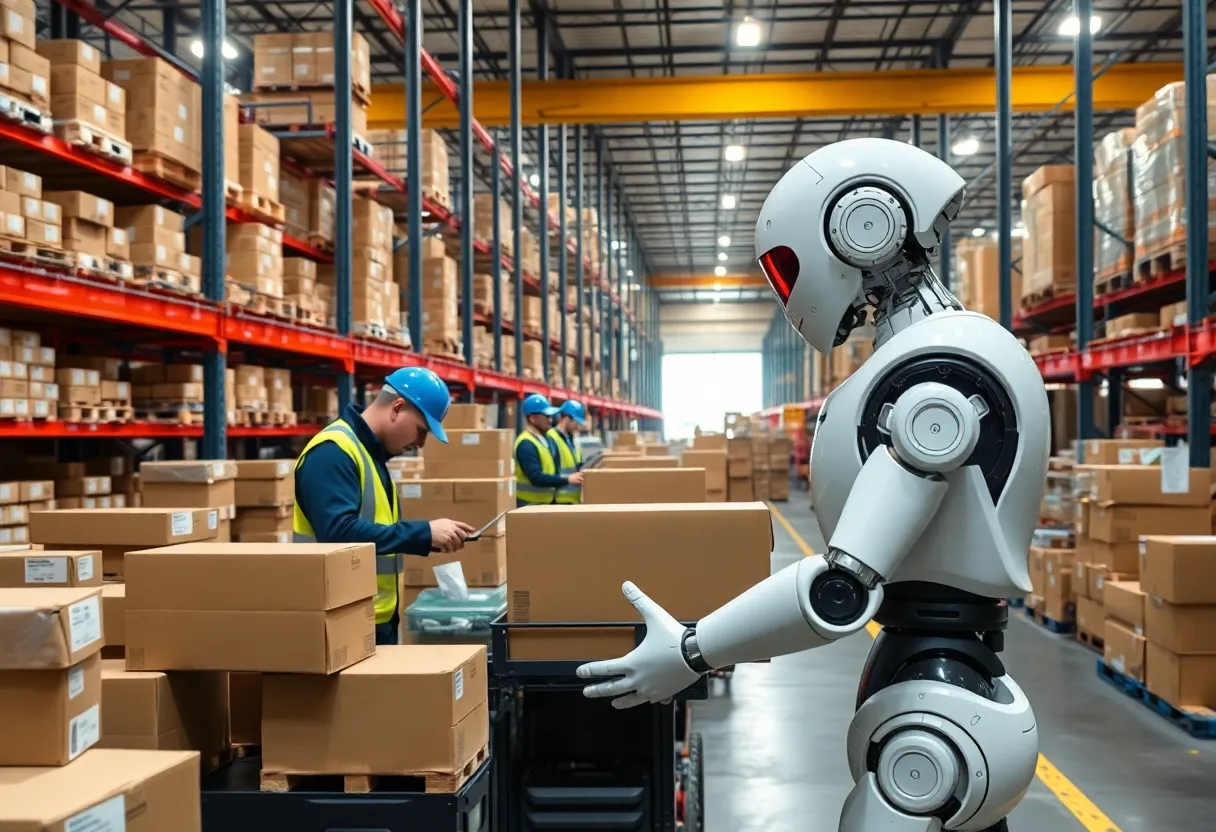
The economics of same-day delivery rarely recover full cost from the fees charged to consumers. Amazon Prime’s same-day delivery is bundled into the Prime subscription, so the marginal cost of an individual same-day delivery isn’t paid by the consumer at point of use. The actual per-delivery cost — picking, packing, sorting, last-mile labor — for same-day delivery is typically $8–15 depending on market and density, substantially more than the $2–4 cost of standard two-day delivery. The business model is either absorbing these higher costs as a competitive moat (Amazon’s Prime retention strategy), passing some of them to consumers through fees or minimums, or subsidizing them through venture capital while building scale (the approach most food delivery and quick-commerce startups have used, with mixed results).
Quick-commerce companies (Gopuff, Gorillas, Getir) that promised 10–15 minute grocery delivery built networks of “dark stores” — small urban warehouses carrying curated high-frequency grocery inventory — and relied on high order volumes to make the economics work. Many of these businesses have contracted, closed, or merged after discovering that the density required to generate sustainable unit economics at 15-minute delivery speeds was higher than the market provided. The economic floor for same-day delivery speed is real, and moving below it requires subsidy rather than sustainable unit economics. Two-hour same-day delivery in dense markets is economically viable at scale; 15-minute delivery economics remain challenging except in high-density urban cores with very high order frequency.