What Solid-State Batteries Would Actually Change for EVs and Consumer Electronics

Jordan Lee
July 7, 2026
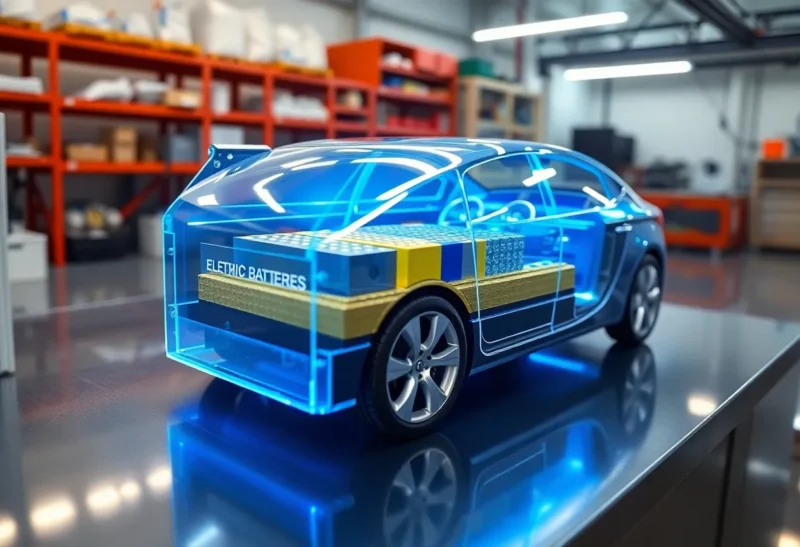
Solid-state batteries have been described as the next major breakthrough in energy storage for over a decade. The promise is significant: higher energy density, faster charging, longer cycle life, and elimination of the flammable liquid electrolyte that makes lithium-ion batteries a fire risk. Progress has been real but slow, and the gap between laboratory demonstrations and commercial production at scale remains substantial. Here’s what solid-state batteries would actually change if the manufacturing challenges are solved—and what the current state of the technology actually is.
What Makes a Battery “Solid-State”
Conventional lithium-ion batteries use a liquid electrolyte—typically a lithium salt dissolved in an organic solvent—to facilitate the movement of lithium ions between the cathode and anode during charging and discharging. This liquid electrolyte is highly effective at conducting ions but is flammable, which is why lithium-ion battery fires are difficult to extinguish and produce toxic fumes.
Solid-state batteries replace the liquid electrolyte with a solid material: a ceramic oxide (like lithium garnet, LLZO), a sulfide-based glass, or a polymer. A solid electrolyte has the potential to enable lithium metal anodes (rather than the graphite anodes used in conventional cells), which have roughly ten times the theoretical energy storage capacity of graphite. Solid electrolytes are also non-flammable, eliminating the fire risk from electrolyte combustion.
The Promised Performance Improvements
If solid-state batteries achieve their theoretical potential, the improvements are substantial.
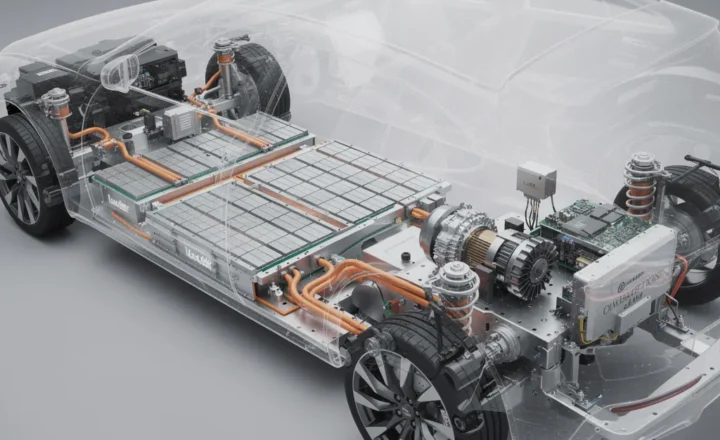
Energy density: Current lithium-ion batteries achieve roughly 250–300 Wh/kg at the cell level. Solid-state cells using lithium metal anodes have theoretical energy densities of 500+ Wh/kg—potentially doubling the range of an EV for the same battery weight, or halving battery weight for the same range. In practice, near-term solid-state cells are targeting 400–500 Wh/kg rather than theoretical maximums, but even 400 Wh/kg represents a significant advance.
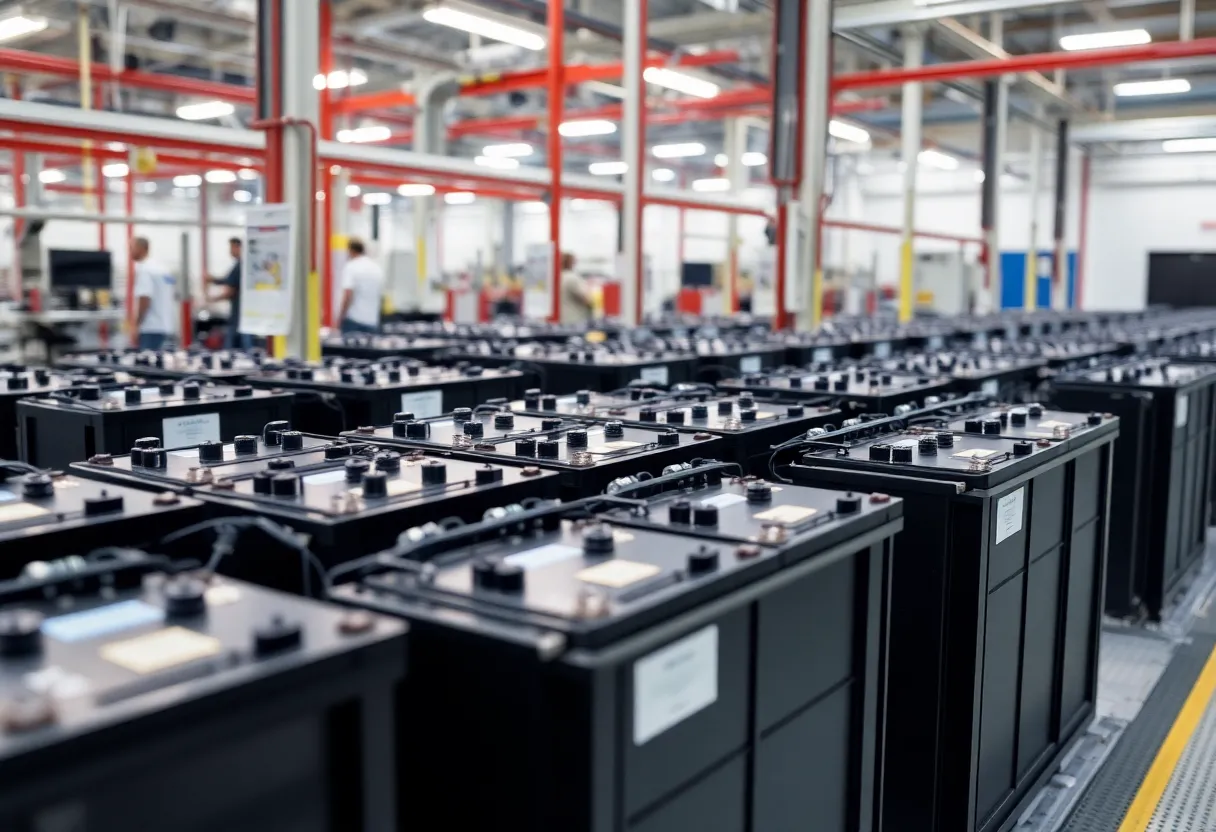
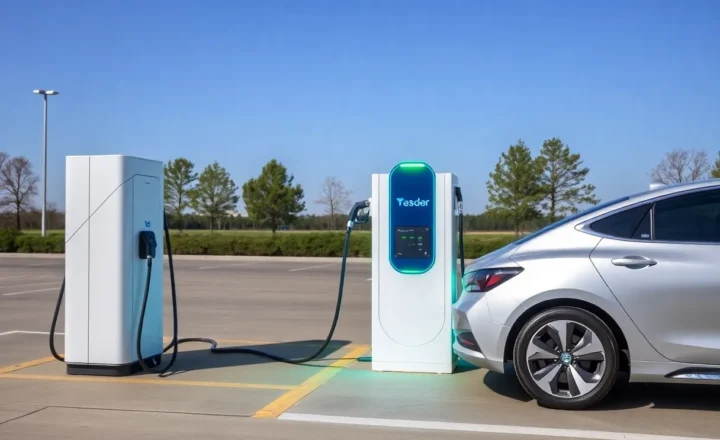
Charging speed: Solid electrolytes can in principle support faster ion movement at the electrode/electrolyte interface under certain conditions, enabling faster charging. The headline claim—solid-state EVs charging to 80% in 10 minutes—is achievable in laboratory conditions and is a goal for commercial products.
Cycle life: The dendrite problem in conventional lithium-ion batteries—metal deposits that grow across the electrolyte and eventually cause short circuits—is one reason lithium metal anodes haven’t been used commercially despite their energy density advantage. A solid electrolyte can in principle suppress dendrite growth more effectively than liquid electrolytes. Better cycle life means a battery that retains capacity longer, reducing long-term EV total cost of ownership.
Safety: Eliminating flammable liquid electrolyte removes the main fire risk mechanism. This is particularly significant for large battery packs in vehicles, aircraft, and stationary storage, where thermal runaway fires are the most severe safety concern.
The Manufacturing Challenges
The gap between laboratory solid-state cells and production-ready batteries is in manufacturing economics and yield, not fundamental physics. The specific challenges vary by electrolyte chemistry:
Ceramic oxide electrolytes (LLZO and similar) require sintering at high temperatures (700–1,000°C), which is energy-intensive and incompatible with conventional battery manufacturing processes. Creating intimate, defect-free contact between the solid electrolyte and electrodes is difficult; any gap or void creates high resistance at the interface.
Sulfide-based electrolytes offer better ionic conductivity at room temperature and can be processed at lower temperatures. However, sulfide electrolytes are moisture-sensitive—they react with water to produce toxic hydrogen sulfide gas, requiring manufacturing in extremely dry conditions that add cost and complexity. QuantumScape (Volkswagen-backed) and Solid Power (BMW-backed) are the most prominent startups pursuing sulfide-based approaches.
Polymer electrolytes are easier to manufacture but typically require elevated operating temperatures (60–80°C) and have lower ionic conductivity than ceramic or sulfide options. Solid Power uses polymer-sulfide composites to address this trade-off.
Where the Timeline Actually Stands
Toyota, which has long had the largest solid-state battery patent portfolio, has announced plans to commercialise solid-state EV batteries in the 2027–2028 timeframe for initial limited production. Samsung SDI, Panasonic, and CATL all have solid-state programs with various announced production timelines in the late 2020s. QuantumScape has delivered sample cells to Volkswagen for testing and is targeting initial production in the 2026–2027 window.
The consistent pattern is that timelines have shifted right—early announcements of 2025 commercialisation from multiple companies moved to 2027–2030 as manufacturing challenges proved more difficult than projected. Some industry analysts now expect early solid-state EV battery commercialisation in premium vehicles in the 2027–2029 range, with meaningful volume production in the early 2030s.
What Changes for Consumer Electronics
Solid-state batteries for consumer electronics (smartphones, wearables, laptops) face somewhat different challenges than automotive batteries. The scale requirements are smaller, tolerances can be different, and the safety benefit is valuable but less critical than for large automotive packs. Thin-film solid-state batteries—very thin cells deposited through semiconductor-style processes—are already commercially available for niche applications like smart cards, medical implants, and industrial sensors.
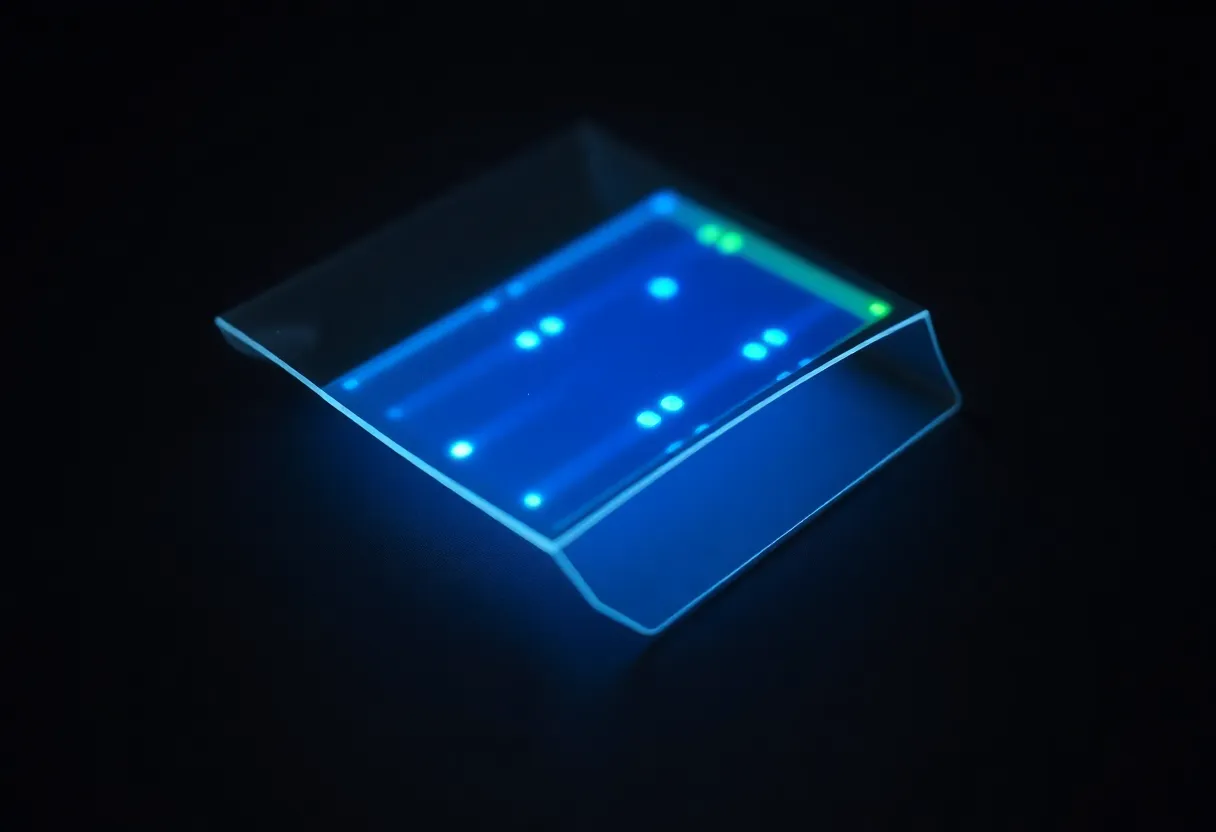
For smartphones and laptops, the most immediately beneficial improvement would be energy density: a smartphone with a solid-state battery at double the energy density of current lithium-ion could run for two days without charging at current form factors, or offer the same runtime in a thinner, lighter device. This is compelling but depends on the same manufacturing cost challenges being solved at smartphone production volumes.
The Realistic Scenario
The honest expectation for solid-state batteries: initial commercialisation in premium EVs in the late 2020s at significantly higher cost than equivalent lithium-ion packs, with cost reduction following as manufacturing scales. Consumer electronics applications follow the automotive timeline by several years. The full performance advantages of solid-state batteries—particularly the lithium metal anode energy density gain—will take longer to realise than the electrolyte switch alone, because optimising the electrode-electrolyte interface at scale requires its own development curve.
Solid-state batteries will change EVs and consumer electronics materially when they arrive at volume—but the “when” has consistently been harder to predict than the “what.”