The Honest Guide to Meal Prepping When You Actually Have Limited Time

Dr. Sarah Okafor
July 7, 2026
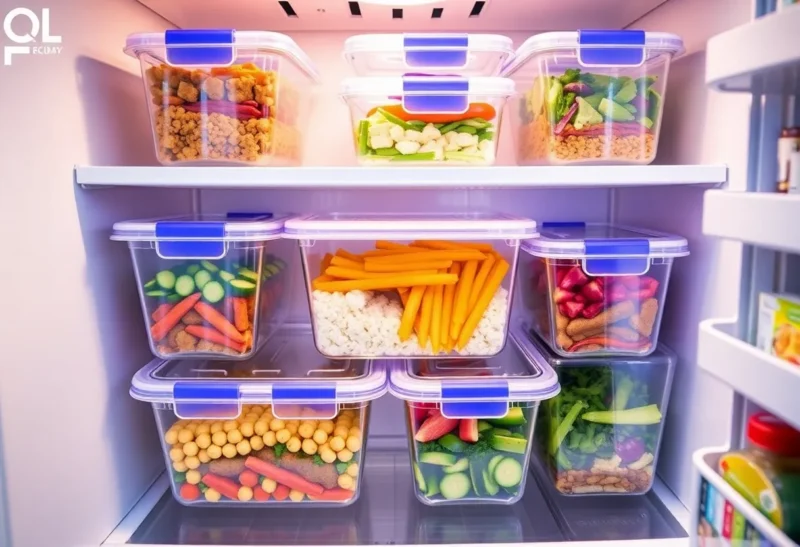
Meal prep content on the internet is often aspirational in a way that makes it useless. The photos show immaculate arrays of identical containers portioned across five days, each with perfectly balanced macros, all produced in a two-hour Sunday session from someone who apparently has a professional-grade kitchen, infinite storage containers, and a lifestyle that generates no complications. This version of meal prep — total, systematic, everything-planned-in-advance — is not realistic for most people with actual schedules, variable households, and finite energy after a weekend. It’s also not necessary.
The honest version of meal prepping is: doing a small amount of strategic preparation that meaningfully reduces weekday friction, calibrated to the time you actually have and the decisions that actually cost you the most effort. A two-hour Sunday session is not required. Even thirty well-chosen minutes produces leverage that pays off all week.
What Meal Prep Actually Accomplishes
The value of meal prep isn’t the food itself — it’s the decision removal. The biggest friction in weekday eating isn’t cooking, it’s deciding what to cook when you’re tired, hungry, and have limited mental bandwidth at 6pm. Meal prep works because it front-loads decisions to a time when you have more energy and fewer competing demands, and eliminates the daily friction of starting from scratch. You’re not trying to eliminate cooking; you’re trying to eliminate the worst part of weekday cooking, which is opening the fridge and having no idea what you’re making tonight with what you have.
This framing matters because it changes what “effective meal prep” looks like. You don’t need to produce five fully plated meals in identical containers. You need to have decided what you’re eating and taken some of the prep steps so weeknight assembly is faster. The deliverable isn’t finished meals; it’s reduced friction.
What to Prep When Time Is Limited
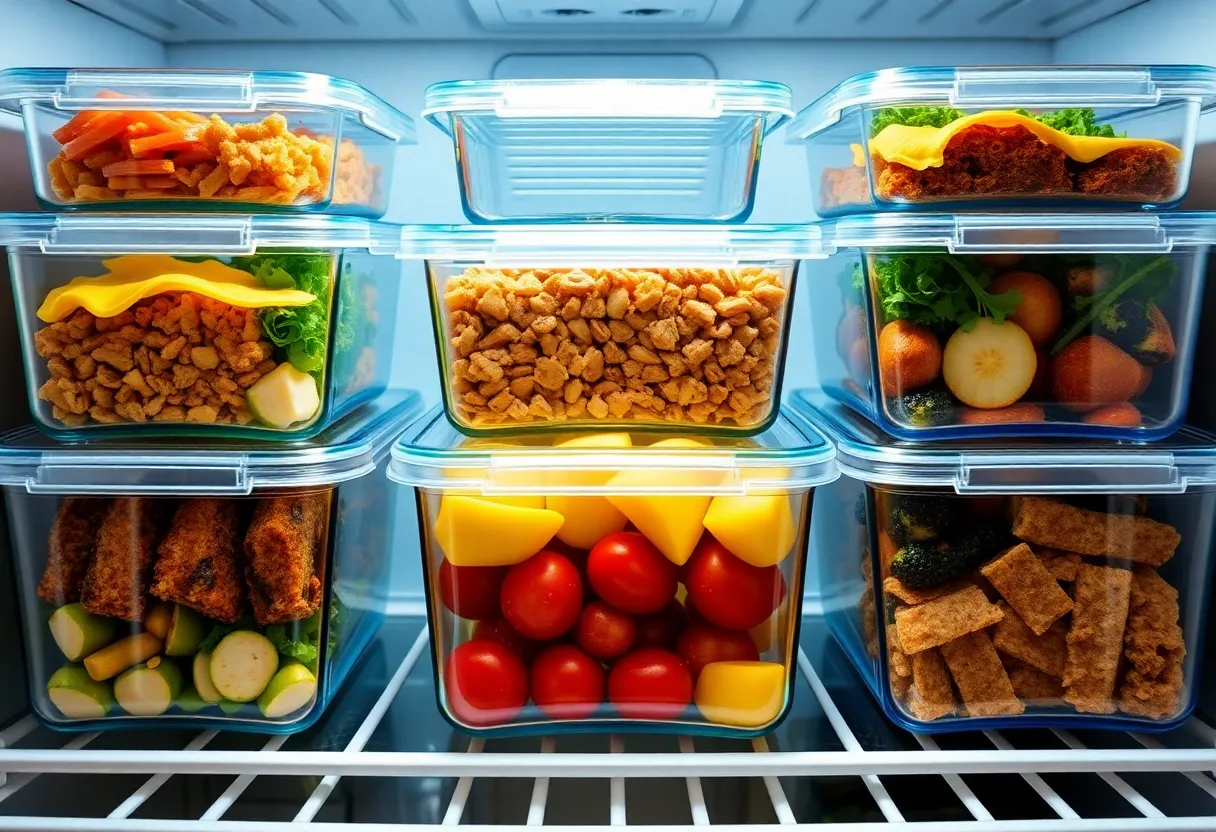
If you have 30–45 minutes, the highest-leverage prep is components rather than complete meals. Components are more flexible (they combine into many different meals) and more forgiving of the variability in how your week actually unfolds. A finished meal is only good until you don’t want that meal anymore; components recombine based on what you’re in the mood for.
Cooked grains — a large pot of rice, farro, or quinoa — take 15–25 minutes with minimal active time and last five days in the refrigerator. Having cooked grains available turns a weeknight dinner from “cook the base first, then cook the protein” to “cook the protein, assemble.” A grain that takes 20 minutes becomes a component that adds 0 minutes when it’s already done. This one prep task has an outsized effect on weeknight meal assembly speed and is the first thing to prep if you’re time-constrained.
Roasted vegetables take 25–30 minutes of oven time with 10 minutes of active prep. A sheet pan of whatever vegetables need to be used — broccoli, sweet potato, zucchini, peppers — produces flexible components that work as side dishes, additions to grain bowls, toppings for eggs, or fillings for wraps. Roasting doesn’t require monitoring, so the active time cost is low. Prepped vegetables that are already cooked remove the heaviest lifting from weeknight cooking.
Washed and prepped salad greens, stored dry in a container with paper towels to absorb moisture, last three to four days and remove the friction of salad assembly. Marinated proteins — chicken thighs or tofu sitting in marinade in the refrigerator — require almost no prep time but dramatically improve weeknight cooking speed because seasoning is already done and cook time is all that remains. These are tasks that take two to five minutes but produce weeknight leverage that far exceeds their time cost.
What Not to Prep: Avoiding Common Mistakes
Prepping meals that won’t survive the week without quality degradation wastes prep time and produces disappointing food. Some things genuinely don’t meal prep well: fully assembled salads (they go soggy), most pasta dishes (pasta continues absorbing sauce and becomes mushy), anything with avocado, crispy coatings, or delicate textures that change with reheating. Prepping these items and eating them on day four of their refrigerator life produces a worse meal than just cooking it fresh, which defeats the purpose.
Prepping more than you’ll actually eat is a common failure mode. Three days of the same lunch sounds systematic until it’s Wednesday and you don’t want that lunch anymore, and it sits in the refrigerator until you throw it out. Starting with a smaller quantity — prep for two or three days, not five — and building the habit before scaling up is more sustainable than attempting total weekly systematization from the start.
Avoid prep tasks that don’t scale your time efficiently. Chopping one onion takes the same time whether you need it for tonight or for three meals — but chopping three onions at once only takes a little longer than chopping one. Batch the tasks that benefit from batching (chopping, cooking grains, roasting), and skip the tasks that would have to be done at assembly time anyway (assembling, dressing, topping).
The Minimum Viable Prep Session
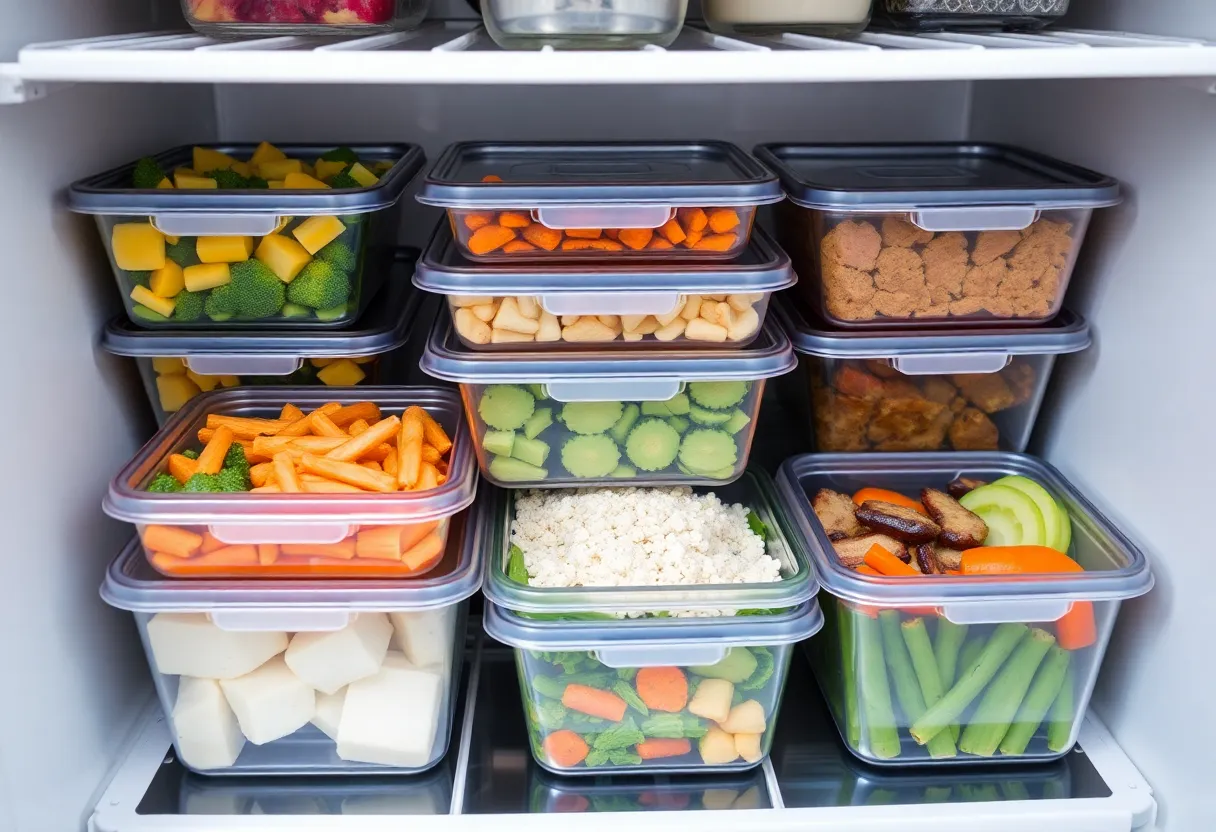
If you have thirty minutes and want to produce maximum weekday leverage, this is the sequence that delivers the most value: Start a pot of grains (20 minutes, mostly hands-off). While grains cook, prep and start a sheet pan of vegetables in the oven (25 minutes, mostly hands-off). While both cook, portion or marinate one protein. End of session: cooked grains, roasted vegetables, and marinated protein ready for the week. Total active time: about 15 minutes. These three components combine into grain bowls, stir-fries, wraps, and side-dish combinations across four to five weeknight dinners without any single meal being dictated in advance.
This session doesn’t require a specific recipe plan, doesn’t produce five identical containers, and doesn’t commit you to eating the same thing on Wednesday that you decided on Sunday. It reduces the main friction — not knowing what’s for dinner when you’re already hungry — by ensuring the building blocks are always available. Weeknight cooking becomes “choose components, apply heat, assemble” rather than “figure out a plan, go shopping, cook from scratch.” The difference in mental load is significant even when the time savings are modest.
Adapting to Unpredictable Schedules
Household variability — different people wanting different things, plans that change, ingredients that get used up differently than expected — is why rigid complete-meal-prep systems fail for most households. Component prep handles variability better because components are flexible. If Tuesday’s dinner plan changes because someone isn’t home, the prepped components are still useful for a different meal on a different day. Nothing is wasted because nothing was committed to a specific meal in advance.
The prep session itself doesn’t need to happen on Sunday. Any day when you have 30–45 minutes and the kitchen free works. The “Sunday prep” convention comes from meal prep culture and assumes a particular work schedule; if your week starts differently, prep on the day that makes sense for you. The goal is to have components ready before the high-friction weekday period, wherever that fits in your actual schedule.