How Food Delivery Apps Changed Restaurant Economics in Ways That Hurt Both Sides

Tomasz Wojcik
July 7, 2026
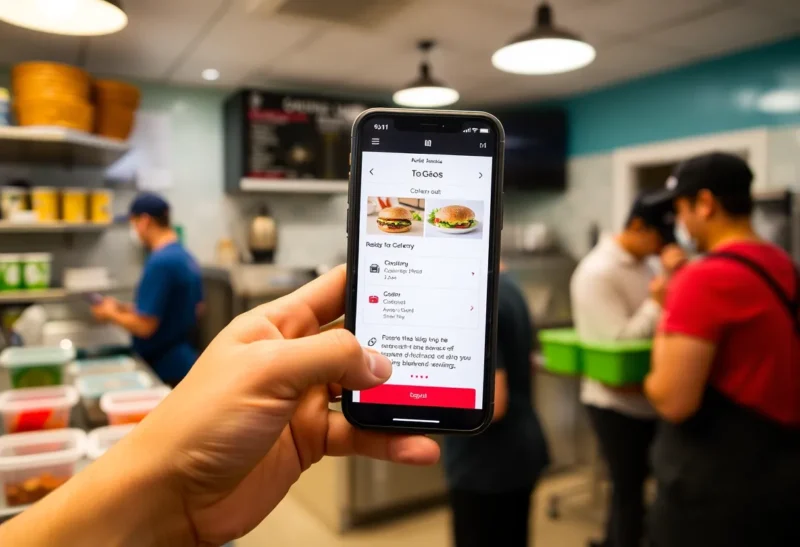
Food delivery apps — DoorDash, Uber Eats, Grubhub, Deliveroo — occupy an awkward position in the food economy: they’ve dramatically expanded access to restaurant food for consumers while simultaneously extracting fees that have materially damaged the economics of the restaurants that are ostensibly their supply-side partners. The platforms present themselves as enabling small restaurants to reach more customers; the restaurant industry’s experience has been more complicated, with the commission structure reshaping which types of restaurants are viable and creating a structural dependency that’s difficult to escape once established. The consumers who use these apps are also not obviously winners: they pay more per meal than they would picking up food themselves, while the prices have risen further to cover the restaurant’s commission costs. Almost every actor in the system has been structurally disadvantaged, except the platforms.
The Commission Structure and What It Does to Restaurant Economics
Delivery platform commissions typically range from 15% to 30% of the order value (with the specific rate varying by contract, market, and whether the restaurant opts for premium placement). For a restaurant operating on typical food service margins of 3–9% net profit, a 25–30% commission on delivery orders means delivery is unprofitable at existing menu prices — the commission exceeds the restaurant’s margin. Restaurants have responded with three strategies: raising delivery menu prices above in-restaurant prices (which the platforms typically allow and which consumers frequently encounter without realizing), absorbing the cost on delivery orders and cross-subsidizing from dine-in, or exiting the platforms.
The price differential between in-restaurant and delivery menu prices has become a source of consumer confusion and frustration: ordering the same item on Uber Eats versus picking it up in the restaurant can be 15–30% more expensive, before the delivery fee and tip, with the price difference representing the commission being passed to the consumer. This is economically rational from the restaurant’s perspective but damages the perceived value proposition for consumers who don’t understand why the same meal costs more through the app.
Many independent restaurants have become structurally dependent on delivery platforms despite the unfavorable economics, because the platforms have aggregated enough consumer demand that not being listed means missing a significant portion of potential orders. A customer who opens DoorDash to browse nearby restaurants and doesn’t see a given restaurant listed will order from what’s available on the platform rather than searching independently. The platform’s demand aggregation is also a demand capture mechanism that makes non-participation economically costly.
Ghost Kitchens: The Structural Response
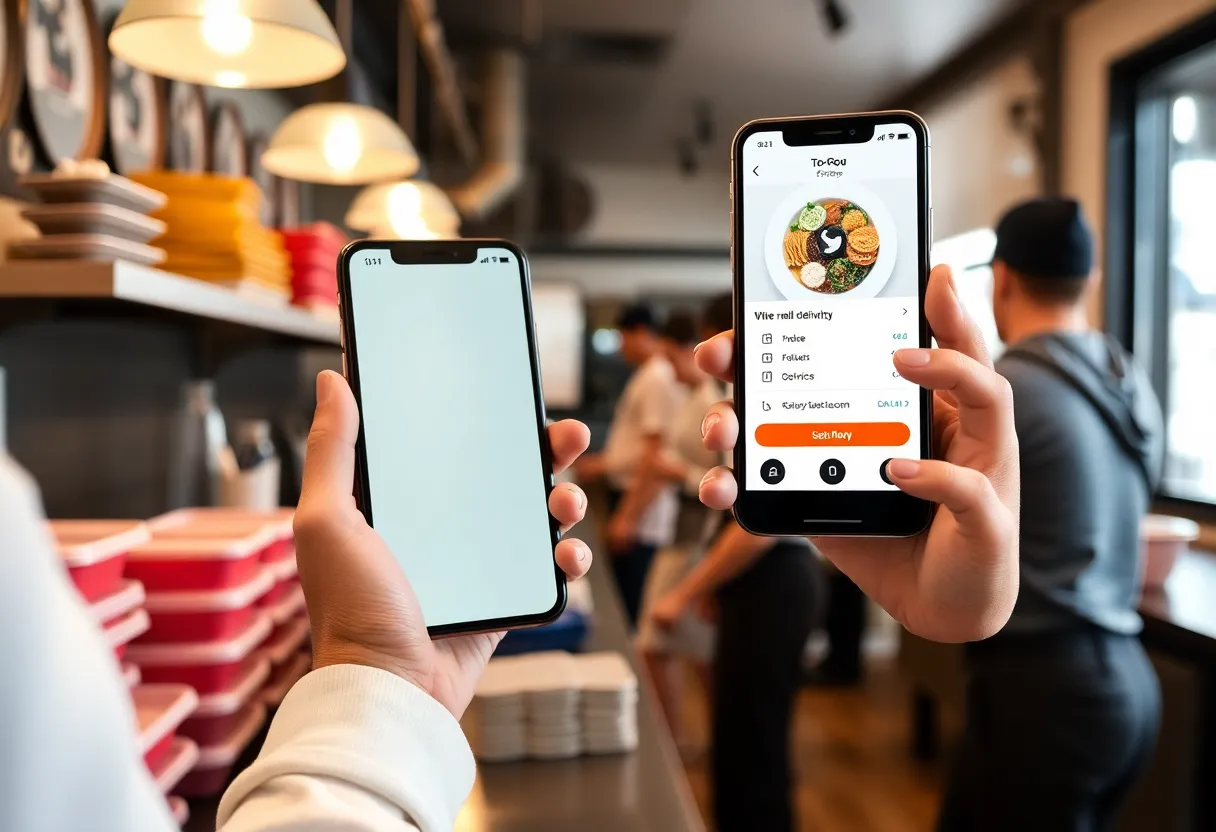
The ghost kitchen model — commercial kitchen facilities that produce food exclusively for delivery, with no dine-in space and often operating multiple virtual restaurant brands from the same kitchen — emerged as a rational response to the economics of delivery. A ghost kitchen eliminates the overhead of dine-in space (rent, front-of-house labor, ambiance investment) that produces no revenue per delivery order, while preserving the kitchen infrastructure needed to fulfill orders. Multiple virtual brands operated from a single kitchen allows the delivery revenue to be spread across more order volume, improving kitchen utilization and per-delivery economics.
Ghost kitchens thrived during the 2020–2021 COVID lockdown period when delivery was the primary food service channel. Their post-lockdown performance has been more mixed: consumers proved willing to order from ghost kitchen brands when they were the primary option, but less consistently loyal to virtual brands that have no physical presence or brand story. Ghost kitchen companies like Kitchen United, CloudKitchens, and Reef Technology expanded aggressively during the delivery boom and faced significant contractions as dine-in recovered. The model remains viable for high-volume food entrepreneurs optimizing for delivery economics; it hasn’t displaced traditional restaurants at the scale some projections implied.
The Driver Side: Platform Economics Meet Gig Labor
Delivery drivers for food apps operate under the same gig worker economics described in the ride-hailing context: independent contractor classification, no minimum guaranteed earnings, vehicle and fuel costs borne by the driver, app-determined order assignment with limited driver control over route efficiency. The per-delivery earnings for food delivery have declined as platform competition reduced the promotional incentives used during growth phases. Active-time analysis of food delivery earnings — accounting for waiting time at restaurants, idle time between orders, and fuel costs — typically shows effective hourly earnings significantly below platform-advertised rates, particularly in lower-demand periods.
The physical demands of food delivery driving (repeated parking, restaurant interaction, customer interaction, physical carry of orders) add wear beyond what ride-hailing incurs and are compensated within the same problematic structural framework. The delivery driver labor conditions are the same underlying issue as gig economy labor broadly, with the additional complexity of food delivery’s lower per-order value making the math harder for drivers than in ride-hailing.
What Would Change the Dynamics
Several developments could improve the structural balance: commission cap legislation (New York City, Chicago, and other cities have capped platform commissions at 15% during and after the pandemic, showing that regulatory limits are possible and have been implemented); first-party delivery capabilities that allow restaurants to take orders directly and use the platforms for logistics only (reducing marketing commissions while retaining delivery infrastructure); consumer awareness of the economics that drives ordering behavior toward direct channels when available; and the continued development of restaurant-owned ordering infrastructure (direct websites, Toast POS ordering, OpenTable integrations) that retains the full order value for the restaurant.
The platform dependence cycle is hard to break once established: consumers discover restaurants through platforms, become habituated to the platform’s interface, and continue ordering through the platform even when a direct channel exists. Breaking this requires either compelling direct ordering alternatives (restaurant apps that are as frictionless as the platforms) or consumer motivation to pay more to support restaurants directly — both harder than the problem sounds. The platform economics that damage restaurants and drivers are not accidental features; they’re the mechanism through which the platforms extract value from the food ecosystem they’ve made themselves central to.