The Engineering Behind Modern Bicycle Drivetrains: What Changed and Why It Matters

Lars Bjornsen
July 7, 2026
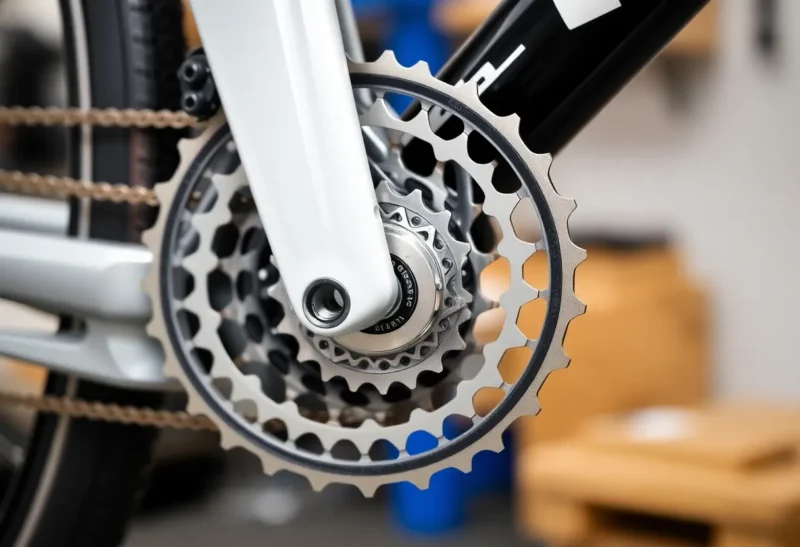
The bicycle drivetrain — the chainring, chain, cassette, derailleurs, and shifters that convert pedaling force into wheel rotation — is mechanically straightforward in concept and surprisingly sophisticated in execution. Modern drivetrains bear little resemblance to what was available ten years ago, not because the fundamental mechanism changed but because incremental engineering refinements across every component have compounded into a substantially different performance and user experience.
Understanding what actually changed — and why the engineering decisions were made — helps make sense of why a $500 drivetrain group performs so differently from a $200 one, and why the shift from 10 to 11 to 12 speeds at the rear wasn’t just a marketing exercise.
The Move to Wider Gear Ranges and More Speeds
Road cycling cassettes went from 10-speed to 11-speed to 12-speed over roughly fifteen years. Mountain bike drivetrains moved to single-ring (“1x”) setups with 11 and then 12-speed cassettes, replacing the triple chainring configurations that were standard a decade ago. These changes were not arbitrary; they addressed real rider experience problems.
The problem with 10-speed cassettes and double chainring road setups was gear spacing — the difference in gear ratio between adjacent cogs. On a traditional road cassette (11-25 or 11-28 teeth), the jump between cogs, especially at the smaller, faster end of the cassette, was perceptible to riders who wanted to maintain constant cadence. Adding more cogs (11 or 12) to the same cassette width allowed tighter spacing in the frequently-used middle of the range while also extending the range extremes — a larger climbing gear and/or a taller top gear.
Mountain bike 1x drivetrains solved a different problem: the complexity of managing a front derailleur and the reliability issues it created in rough terrain. A front derailleur requires regular adjustment, can drop chains when hitting obstacles, and adds weight and mechanical complexity. Moving to a single front chainring with a wide-range 12-speed cassette (often 10-51 or 10-52 tooth range) eliminated the front derailleur entirely and dramatically simplified the rider’s mental model (“shift one lever, never worry about which chainring you’re in”). The chain retention mechanisms on modern 1x chainrings — narrow-wide tooth profiling that alternately grips wide and narrow chain links — solved the chain drop problem that would have made 1x impractical on earlier designs.
Electronic Shifting
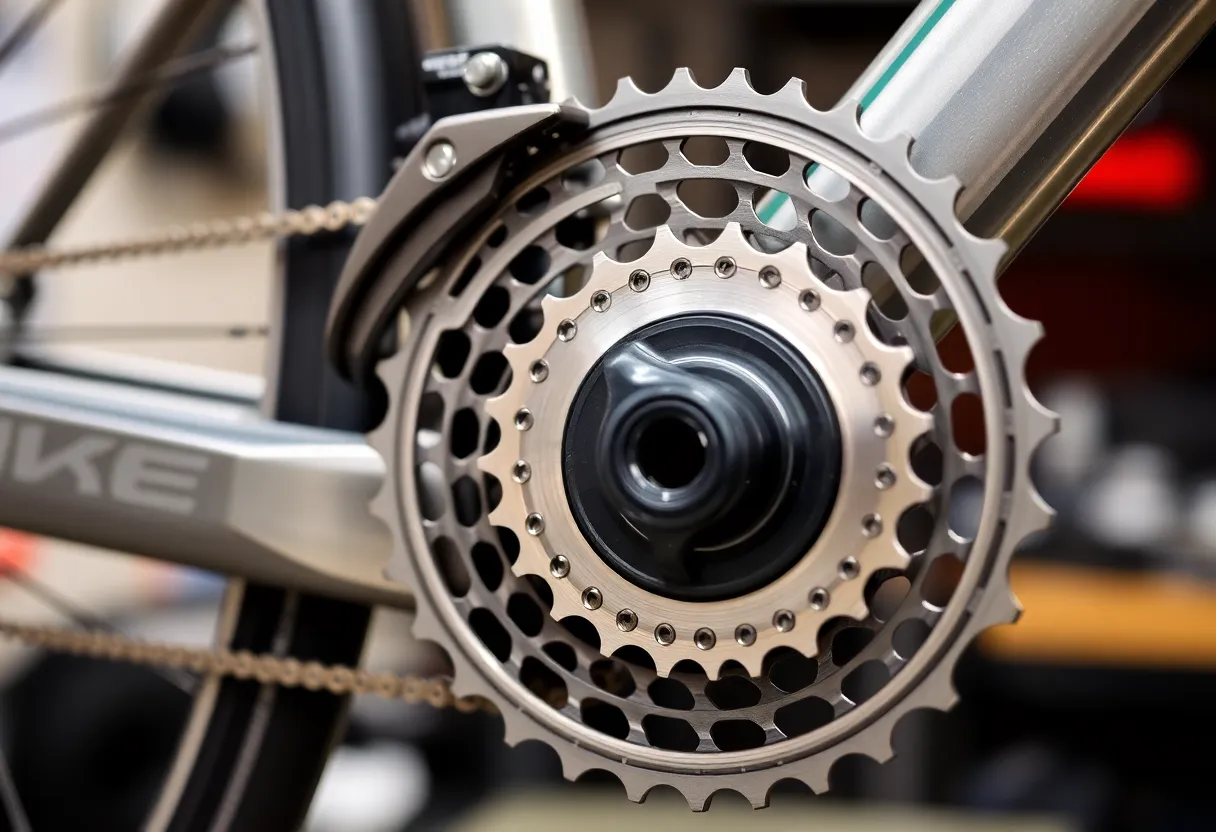
Shimano’s Di2 (Digital Integrated Intelligence) electronic shifting system appeared in its current form around 2009 and has been refined through multiple generations since. SRAM followed with AXS (wireless electronic shifting). Campagnolo has its EPS system. All three work on the same principle: an electric motor in the derailleur performs the shift on command from the shifter button, rather than relying on cable tension to move the derailleur mechanically.
The performance advantage is consistent, precise shifting regardless of cable stretch, contamination, or adjustment drift. A mechanical derailleur’s shifting degrades as the cable stretches over time, as housing gets contaminated, and as the derailleur hanger moves slightly. These changes require periodic indexing adjustments to maintain crisp shifts. An electronic derailleur’s position is controlled by a motor with a feedback encoder — it goes to the position you told it to go to, every time, without cable-related variance.
Wireless electronic shifting (SRAM AXS and Shimano Di2 in recent generations) removes the wire between shifter and derailleur, which simplifies cable routing and handlebar setup significantly. The battery is now typically in the derailleur itself, lasting several months between charges for the rear derailleur and longer for the front. The battery life is practical for most riders; the occasional rider who forgets to charge and runs out during a ride has learned to check before long events.
The weight premium over mechanical drivetrains at top-tier levels has largely vanished. High-end electronic groupsets like Shimano Dura-Ace Di2 and SRAM Red AXS are competitive with or lighter than their mechanical equivalents at the same tier when you include the weight savings from not needing traditional cable housing.
For the majority of recreational and sportive cyclists, the real-world benefit of electronic shifting over well-maintained mechanical shifting is more modest than marketing implies. A properly indexed mechanical Ultegra or Rival groupset shifts precisely and reliably. Where electronic shifting’s benefits are most obvious is in adverse conditions (mud, wet, cold) where cable contamination would degrade mechanical shifting, and for riders who genuinely won’t maintain their mechanical groupset’s indexing carefully.
Material and Manufacturing Changes
Carbon fiber has moved from exotic to standard in high-end drivetrain components. Chainrings, derailleurs cages, and in some cases derailleur bodies now use carbon construction at top-tier groupset levels. The weight savings are real and meaningful in aggregate across a full groupset, though the practical performance difference in most riding contexts is small. The durability question for carbon drivetrain components is more relevant — carbon chainrings wear differently than aluminum, and the cost of replacement is higher.
Cassette construction at the high end has evolved to multi-material designs. Shimano’s Dura-Ace and XTR cassettes mount individual steel cogs onto an aluminum or titanium spider, reducing weight substantially compared to full-steel cassettes while maintaining wear resistance where it matters most (the smaller cogs, which wear fastest). The machining tolerances and surface treatments on premium cogs have also improved, contributing to smoother chain engagement and longer wear life.
Chain design has improved alongside cassette speed counts. 12-speed chains are narrower than 11-speed chains, which required tighter manufacturing tolerances to maintain adequate strength and wear life. Hollow pin designs and optimized side-plate profiles reduce weight without sacrificing durability. The compatibility requirements across manufacturers have also become more clearly defined — mixing brands across a groupset is more reliably predictable now than it was in the 10-speed era.
What These Changes Mean for Buyers
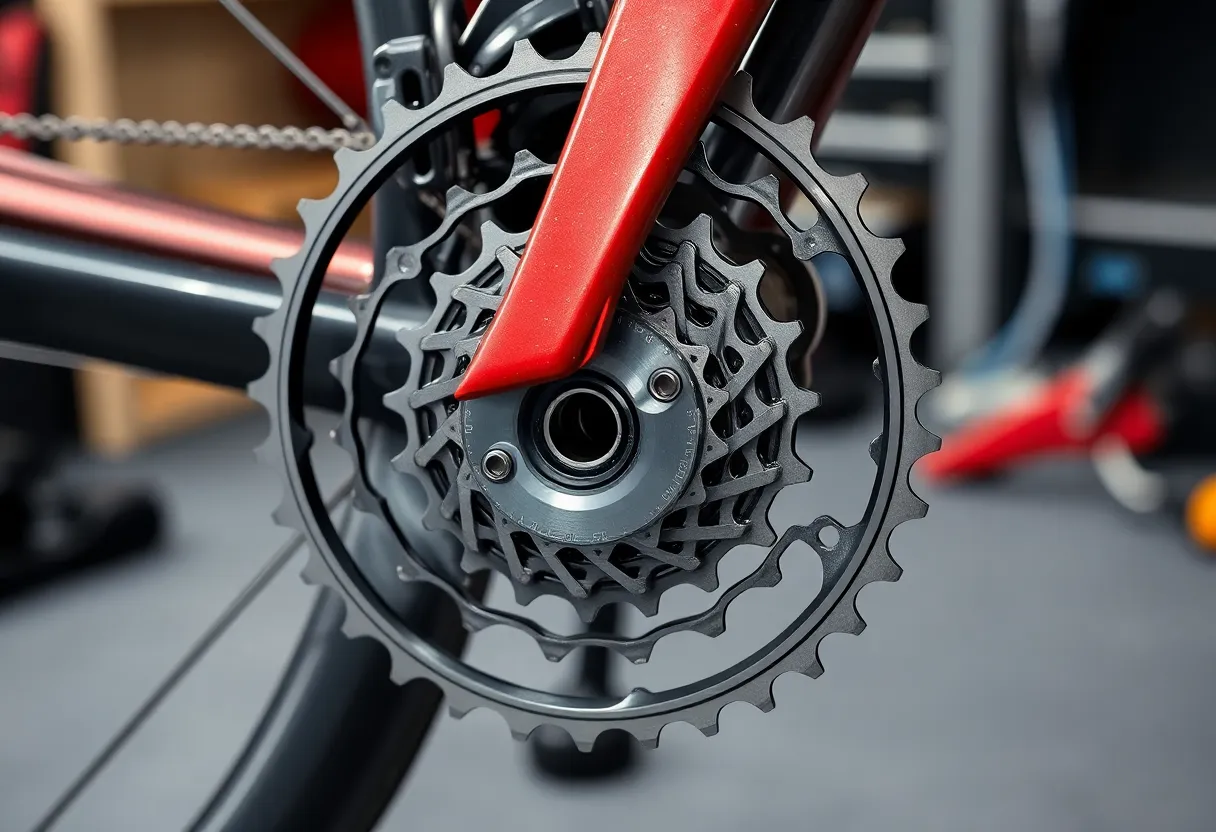
The performance delta between premium and mid-tier drivetrains has both widened (in terms of weight, shift precision, and features) and narrowed (in terms of basic functionality and reliability). Shimano 105 Di2, a mid-tier road groupset that would have been unthinkable at its current price point a decade ago, delivers electronic shifting performance that was limited to Dura-Ace (the top tier) not long ago. The feature trickle-down from professional racing has accelerated.
The 1x drivetrain’s simplicity benefit is real for riders who do mixed-terrain riding and don’t want to manage front shifting. For flat road riding where double chainrings provide closer gear spacing across a narrower total range, a well-set-up 2x road drivetrain remains a legitimate choice. The industry push toward 1x for all categories hasn’t fully displaced 2x road for competitive riding contexts where gear selection optimization matters.
Maintenance costs have increased with complexity. A top-tier electronic 12-speed groupset is a different proposition to service than a 9-speed Shimano 105 from 2010. The components are more expensive, compatibility between brands is strict, and electronic diagnostics add a layer of troubleshooting that purely mechanical systems don’t require. For riders who maintain their own bikes, learning the electronic adjustment and diagnostic tools is part of the modern drivetrain ownership picture. For riders who use bike shops, the service costs for high-end electronic drivetrains are meaningful to factor into the total ownership cost.