How Heat Pumps Beat Resistance Heating Even in Cold Weather

Evan Pierce
July 7, 2026
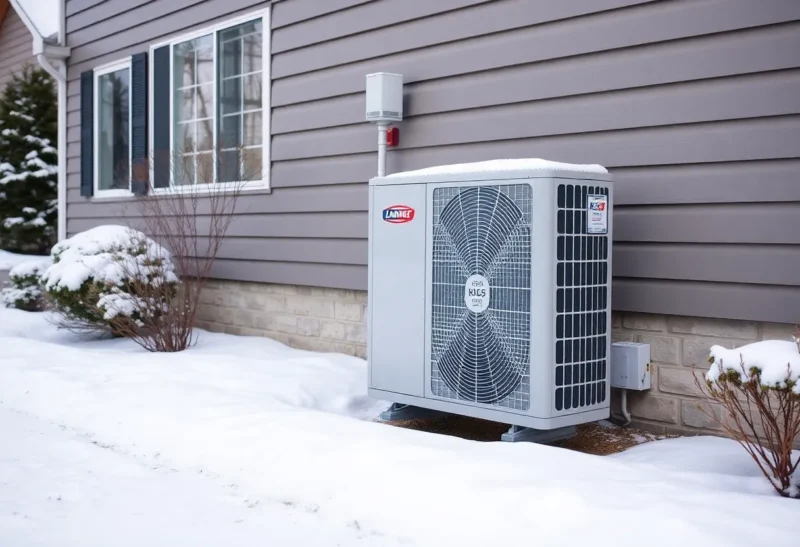
The most persistent myth in home heating is that heat pumps stop working when it gets cold. This belief has a basis in the performance of older heat pump technology, where efficiency dropped steeply below about 35°F and units relied on electric resistance backup strips at low temperatures — essentially switching to the same electric resistance heating that people assume is the only option in cold climates. That was accurate for most heat pumps sold before roughly 2015. It is not accurate for modern cold-climate heat pumps, and the gap between the old and new technology is large enough that the belief is now actively misleading people away from the most efficient heating option available.
Understanding why heat pumps beat resistance heating in the cold requires understanding what a heat pump actually does, why the COP (coefficient of performance) metric matters, and how the cold-climate models achieve what the older technology couldn’t.
The Physics That Make Heat Pumps Work
A heat pump doesn’t generate heat by burning fuel or running electricity through resistance coils. It moves heat — extracting it from outside air and transferring it inside. This is the same thermodynamic process a refrigerator uses, but in reverse: your refrigerator extracts heat from its interior and dumps it into your kitchen; a heat pump extracts heat from outside air and dumps it into your home.
This seems counterintuitive when it’s cold outside, but outside air at 20°F still contains substantial thermal energy — it just contains less than air at 60°F. The heat pump’s compressor and refrigerant cycle can extract that energy and move it inside at greater efficiency than generating heat from electricity directly. How much more efficient is measured by the COP: a COP of 3 means you get 3 units of heat for every 1 unit of electricity consumed. Electric resistance heating has a COP of exactly 1 — one unit of heat per unit of electricity, always. A heat pump with a COP of 3 uses one-third the electricity to produce the same amount of heat.
The COP drops as outside temperature falls, because there’s less thermal energy to extract. This is where older heat pumps ran into trouble — their COP dropped to 1 or below (meaning they were less efficient than resistance) around 30–35°F, which is not an unusual winter temperature in much of North America. Modern cold-climate heat pumps have higher base COPs and maintain efficiency to much lower temperatures, fundamentally changing the break-even calculation.
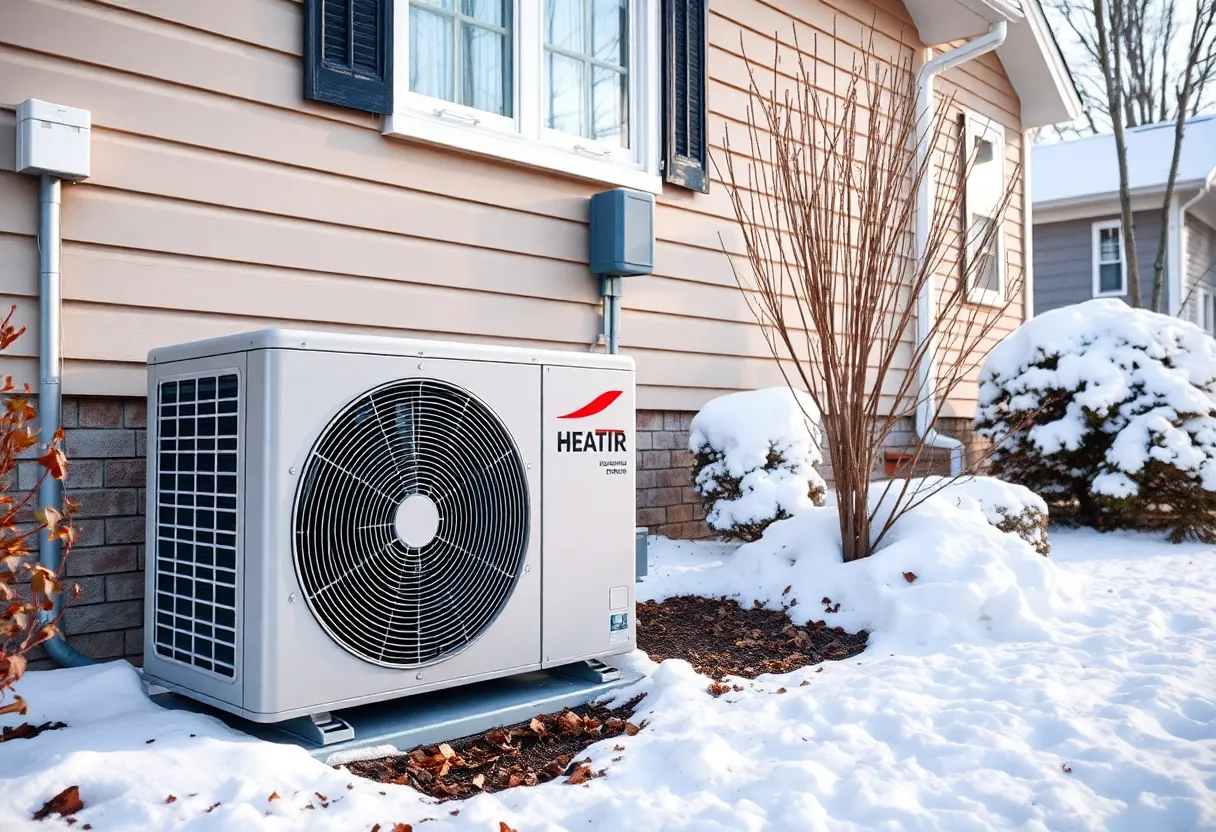
Cold-Climate Heat Pumps: What Changed
The technology improvements that enabled modern cold-climate performance are primarily in the compressor and refrigerant systems. Variable-speed (inverter-driven) compressors replaced single-speed compressors as the dominant design. A variable-speed compressor can modulate its output to match the heating demand precisely rather than cycling on and off at full power — this improves efficiency across all operating conditions and is especially important at low temperatures.
Refrigerant improvements, particularly the shift to R-410A and more recently R-32 and other lower-GWP refrigerants, improved the low-temperature performance envelope. Refrigerant boiling and condensation points affect the operational temperature range; modern refrigerants work at lower temperatures than older systems.
Enhanced vapor injection (EVI) technology allows compressors to handle low-temperature operation more effectively by injecting refrigerant vapor at an intermediate stage, maintaining capacity and efficiency at temperatures that would have caused older compressors to struggle. Mitsubishi’s Hyper-Heating (H2i) system, Bosch’s cold-climate units, and Carrier’s Infinity system use variations of this approach.
The performance numbers from current cold-climate heat pumps are dramatically different from older equipment. Mitsubishi’s Hyper-Heat systems are rated to produce heating down to -13°F (-25°C) and maintain useful efficiency at 0°F. At 17°F (-8°C), they maintain a HSPF (Heating Seasonal Performance Factor) that corresponds to roughly a COP of 2–3. Even at 0°F, COP values around 1.5–2 are achievable with top cold-climate units — still meaningfully better than the COP of 1 that resistance heating achieves regardless of temperature.
What “More Efficient Than Resistance” Means for Heating Bills
The practical impact of COP differences on heating costs depends on your electricity rate and the alternative heating option. The comparison is most directly useful against homes that currently heat with electric resistance (baseboard heaters, electric furnaces) — for those homes, a cold-climate heat pump will reduce heating electricity consumption by 40–70% in most climates, because the average seasonal COP in most US climate zones is 2–3.
The comparison against gas heating is more nuanced and depends on current gas and electricity prices in your area. When gas is cheap and electricity is expensive, a gas furnace’s operating cost can be lower despite the efficiency advantage of a heat pump. When gas prices rise or electricity comes from cheaper sources (nuclear, hydro, high renewable penetration grids), the economics favor the heat pump. In many parts of the US, the all-electric heat pump is cheaper to operate than gas heating at current prices; in others, gas maintains a cost advantage. The Environmental Protection Agency’s ENERGY STAR program has a cost calculator, and most state utility websites have rate comparison tools that can model your specific situation.
The carbon accounting is generally favorable for heat pumps even on grids with significant fossil fuel generation, because heat pump COP means you need significantly less energy input than resistance heating, and because grid carbon intensity is declining in most US regions as renewable capacity grows. A heat pump installed today will run on a progressively cleaner grid over its 15–20 year lifespan.
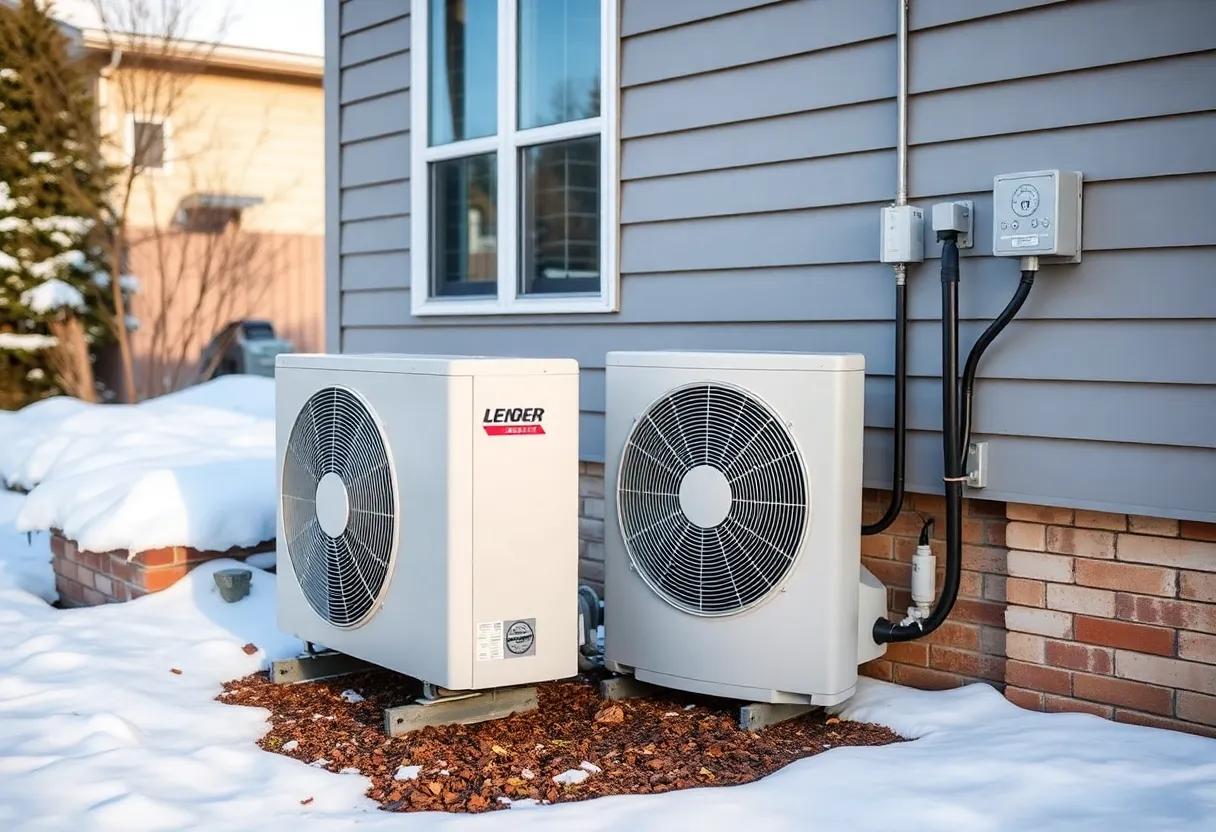
What Cold-Climate Heat Pumps Still Can’t Do
Modern cold-climate heat pumps are significantly better than older technology, but honest assessment requires acknowledging real limitations. Capacity degrades at extreme low temperatures even on the best cold-climate units — a system rated for excellent performance at 17°F will produce less heat per hour at -10°F than at 40°F. In climates with extended periods of severe cold below -10°F to -20°F, a heat pump may not be able to maintain set temperatures without supplemental heating during the coldest periods, even if it outperforms resistance heating for most of the heating season.
Ductless mini-split heat pumps (the most common cold-climate configuration) require electrical line sets and refrigerant piping that add installation complexity over resistance heaters. Whole-home ducted heat pump systems require a compatible air handler and can be expensive to integrate into existing duct systems designed for gas heating. Installation costs for a full cold-climate heat pump system are typically $4,000–12,000 depending on home size and configuration — substantially more than replacing a resistance furnace. The payback period depends on operating cost savings, utility incentives, and federal tax credits available under the Inflation Reduction Act (up to $2,000 federal tax credit for heat pump systems, with additional state incentives in many states).
Dehumidification in summer is handled well by heat pumps operating in cooling mode, but in some very humid climates, the heat pump’s cooling mode may not dehumidify as aggressively as desired without separate humidity control. This is a comfort issue rather than an efficiency issue, but it’s worth noting for high-humidity regions.
The honest summary: cold-climate heat pumps are the right heating choice for most North American homes that currently heat with electricity, and increasingly the right choice compared to gas when electricity rates are reasonable and the climate doesn’t have sustained extreme cold. The technology has moved far enough that the old performance limitations are no longer the relevant consideration — the limiting factors now are installation cost, climate extremes, and the electricity-gas price comparison for homes currently on gas.