Handheld Gaming in 2026: When the Steam Deck Is Still the Right Answer and When It’s Not

Priya Sharma
July 7, 2026
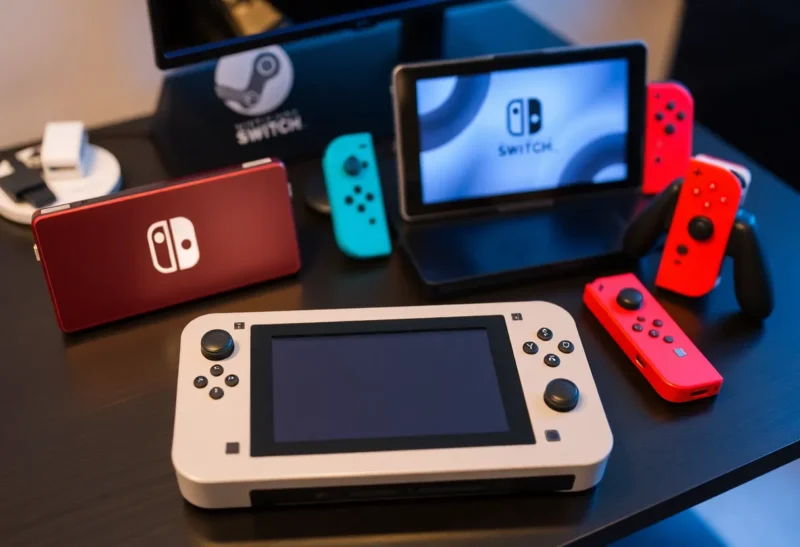
When Valve launched the original Steam Deck in 2022, the PC handheld market was a niche occupied by expensive, awkward Windows devices from GPD and Ayaneo. The Steam Deck wasn’t just a product; it was a proof of concept that made a market. Four years later, that market has matured significantly: the Steam Deck OLED exists, Asus has the ROG Ally X, Lenovo has the Legion Go and its successors, MSI and Ayaneo have competitive offerings, and the category has moved from curiosity to established segment.
The question in 2026 isn’t whether PC handheld gaming is viable — it clearly is — but which handheld is actually right for different types of players. The Steam Deck remains competitive and remains the default recommendation for most players in most situations, but its advantages and limitations are clearer now than they were at launch, and there are specific buyer profiles where something else makes more sense.
The Steam Deck’s Genuine Strengths
The Steam Deck OLED’s strongest argument is still its SteamOS ecosystem. Valve has continued to invest in SteamOS as an operating system specifically designed for handheld gaming: the UI is tuned for couch and portable gaming, game compatibility tracking through the “Verified” system means you generally know before buying a game whether it runs well, and the system is designed to turn on and immediately start gaming rather than requiring Windows-style management.
The OLED display on the current Steam Deck is genuinely excellent — 90Hz, HDR, good brightness, and the color accuracy upgrade over the LCD model is real. For the price tier, it’s hard to beat in terms of display quality. Battery life, while never the Deck’s strongest point, improved meaningfully with the OLED model’s more efficient display and slightly larger battery.
Library compatibility is the Steam Deck’s most underappreciated advantage. Your existing Steam library works. Games you’ve bought over years of PC gaming are available on the Deck without additional purchases or subscriptions. For someone with a large Steam library, the Deck is accessing content they already own, which is a very different value proposition than a device that requires building a new library or maintaining subscriptions.
The price is still competitive. The Steam Deck OLED at $549 for the 512GB model is below most equivalent-performance Windows handhelds. You get less raw GPU power than the ROG Ally X’s AMD Z1 Extreme, but the optimization advantage of SteamOS often produces equivalent or better actual gaming performance than Windows handhelds with higher spec sheets, because Windows background processes, driver overhead, and power management variability eat into gaming performance in ways that don’t affect SteamOS.
Where Windows Handhelds Have the Edge
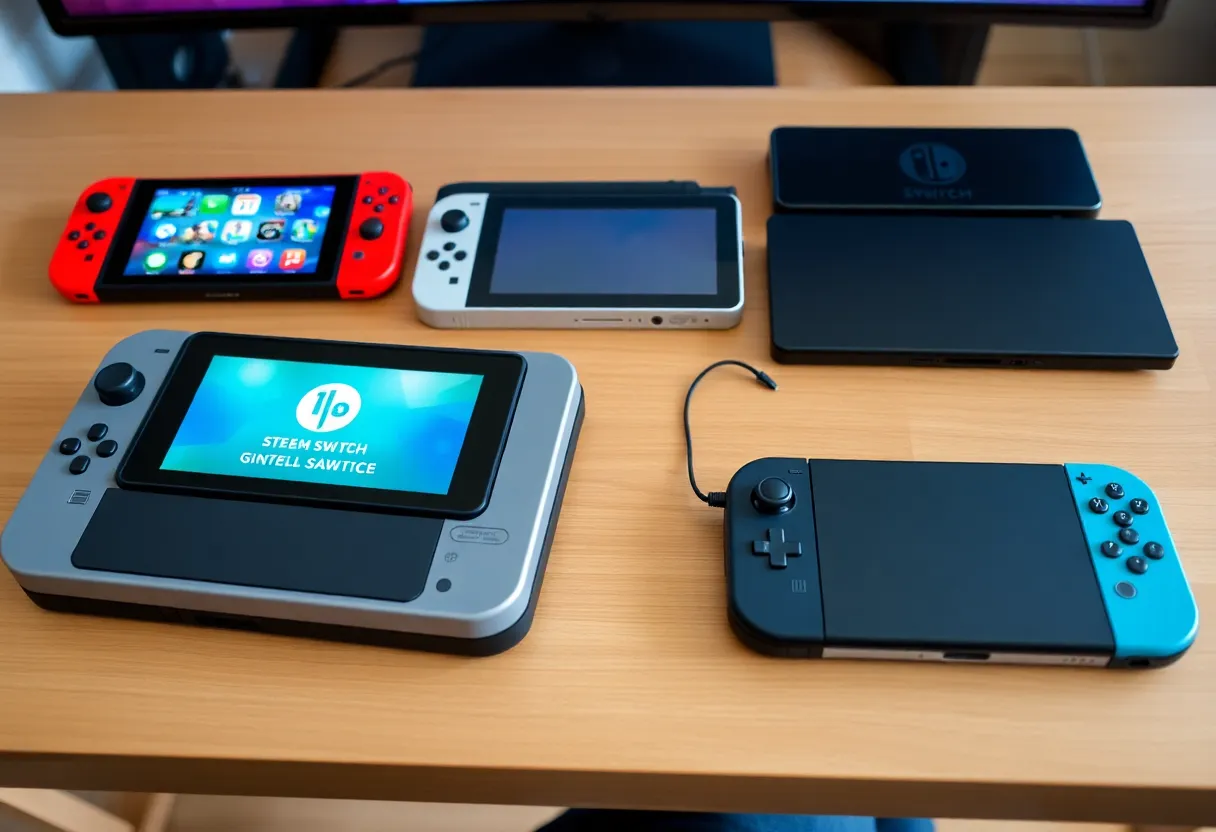
The Windows handheld category — ROG Ally X, Legion Go S, and their successors — makes sense for players with specific requirements that the Steam Deck doesn’t address as well.
Game Pass is the clearest case. If you use Xbox Game Pass / PC Game Pass, a Windows handheld gives you native access to the full Game Pass library on a handheld, which the Steam Deck cannot do natively (it requires some workarounds through the desktop mode). For a player whose gaming is primarily organized around Game Pass rather than a Steam library, a Windows device is the more natural choice.
Anti-cheat is the Steam Deck’s most persistent limitation. Games using BattlEye, Easy Anti-Cheat, and similar services have varying compatibility on Linux/Proton; some work fine, some have been updated to work with Proton, and some simply don’t work. Competitive multiplayer games with aggressive anti-cheat are most likely to have issues. If your gaming is primarily competitive multiplayer titles like VALORANT, certain Call of Duty modes, or other anti-cheat-heavy games, Windows handhelds have better compatibility.
Raw GPU performance at the high end favors newer Windows handhelds. The ROG Ally X with Z1 Extreme (or its successors) delivers meaningfully more GPU performance than the Steam Deck’s custom AMD GPU. For demanding titles where you want to push higher settings or higher resolution, particularly on the Legion Go’s larger 8-inch display, the Windows devices have a performance ceiling the Steam Deck can’t match. The tradeoff is battery life — more powerful hardware drains faster, and Windows power management is less efficient than SteamOS for gaming-specific workloads.
Versatility for productivity favors Windows. If you want a device that’s a handheld gaming system and also a lightweight productivity machine when docked — running Office, doing actual desktop work — Windows handhelds are full Windows PCs. The Steam Deck can do this in desktop mode, but it’s clearly secondary and less comfortable than native Windows.
The Nintendo Switch 2 Factor
No handheld gaming market analysis in 2026 is complete without acknowledging the Nintendo Switch 2, which launched in early 2025 with a significantly upgraded performance profile over the original Switch. The Switch 2’s Nvidia Tegra X2 successor delivers gaming performance competitive with mid-tier PC handhelds for Nintendo’s first-party titles and has attracted strong third-party support.
The Switch 2 is not a competitor to the Steam Deck for PC game compatibility — it runs a curated library of Switch-native titles, not the full Steam catalog. But for players who care primarily about Nintendo’s first-party output (Mario, Zelda, Metroid, Splatoon, Pokemon) and cross-platform titles available on Switch, it’s a more optimized experience than any PC handheld for that specific content. The dedicated hardware, optimized software stack, and Nintendo’s specific game development practices produce handheld experiences that feel native in a way that PC games running under Linux/Proton don’t always match.
The honest picture for many casual and family gamers is that the Switch 2 makes more sense than either the Steam Deck or a Windows handheld, because the content they most want is Nintendo’s first-party catalog and the Switch 2 is purpose-built for it.
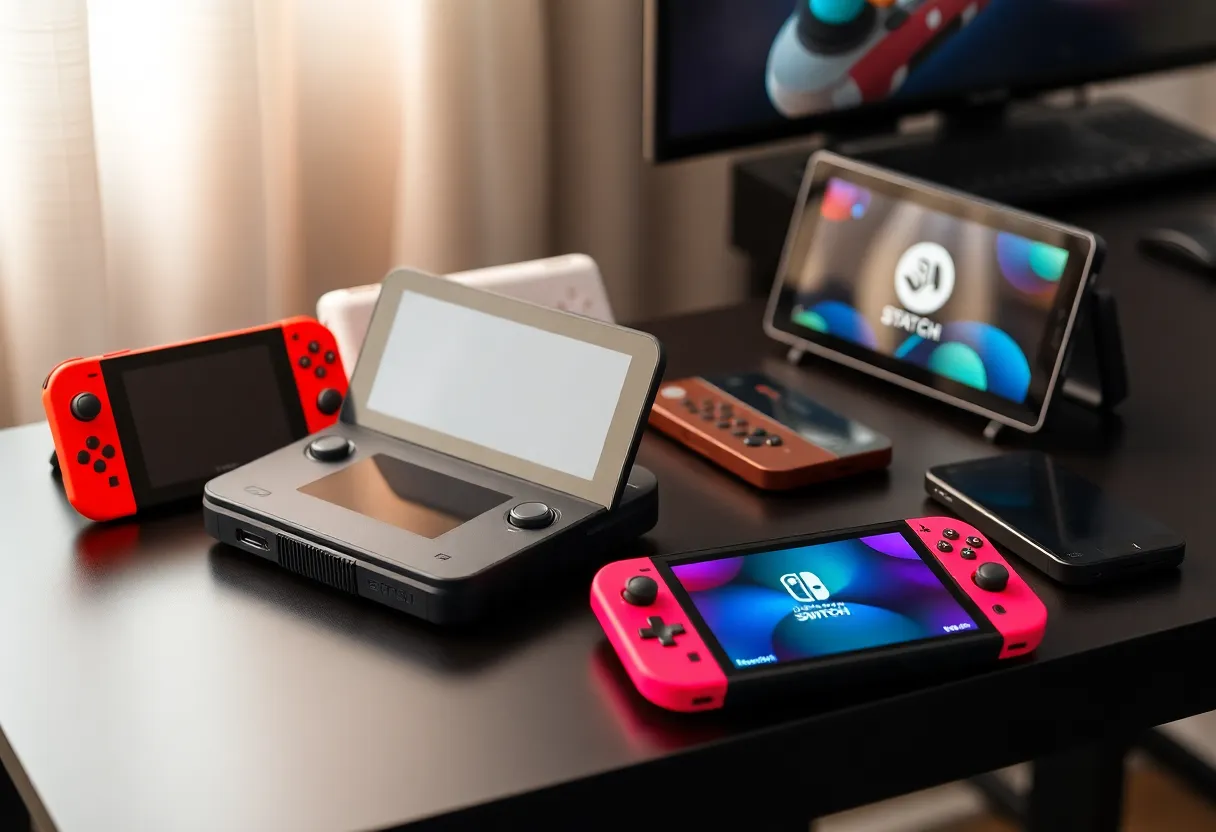
The Decision Framework
If you have an existing Steam library and primarily play single-player or co-op PC games without aggressive anti-cheat: Steam Deck OLED. The value is hard to beat and the SteamOS experience is more polished than Windows for handheld gaming specifically.
If you use Game Pass heavily and want access to the full Game Pass library including Xbox exclusives: ROG Ally X, Legion Go S, or equivalent Windows handheld. Accept the slightly worse battery life and Windows management overhead in exchange for native Game Pass access.
If you primarily want Nintendo first-party games and a focused, simple gaming experience: Nintendo Switch 2. Don’t pay for PC gaming flexibility you won’t use.
If you want maximum gaming performance and versatility, and are comfortable with Windows handheld quirks: current-generation Windows handheld with Z1 Extreme or equivalent. Expect to spend more and manage more.
The Steam Deck’s position in 2026 is strong precisely because most players fit the first profile. A large Steam library, primarily single-player or compatibility-friendly multiplayer games, and a preference for something that just works are the majority case. For those players, the Steam Deck OLED in 2026 is still the right answer — not because the competition is weak, but because the use case fit is genuinely good.