Home Fermentation Gadgets: When Temperature Logging Becomes Performance Art

Jamie Torres
May 9, 2026
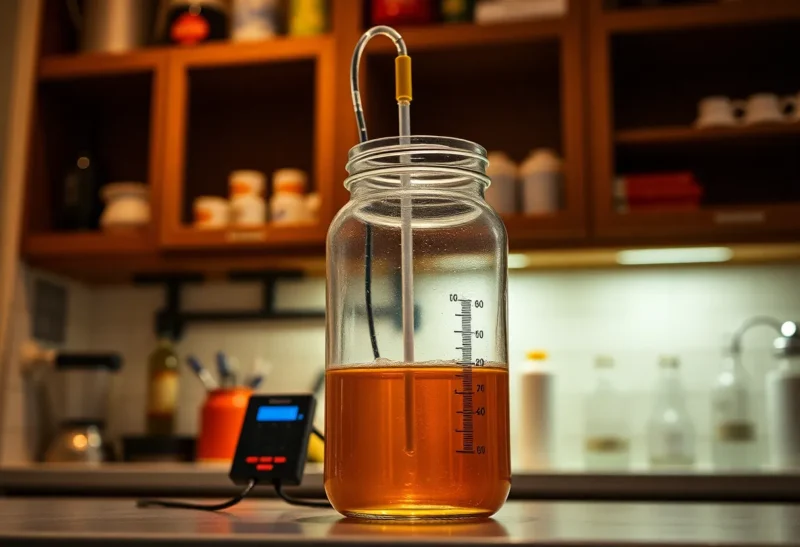
The first time you tape a $15 Bluetooth probe to a carboy and watch a jagged line wobble on your phone, fermentation stops being only biology and becomes a hobby with charts. That is fun until the charts start bossing the biology around—until you catch yourself moving the jar to chase a pixel instead of tasting the beer. At that point temperature logging has slipped from tool to performance art, and your audience is mostly yourself on a group chat at midnight.
This article is for people who love gadgets and microbes in equal measure: what logging actually buys you in home kitchens, where precision lies, and how to keep telemetry from replacing judgment.
Nothing here replaces food-safety guidance for your jurisdiction; if you are unsure about pH, water activity, or anaerobic packing for low-acid canning, stop reading blogs and consult extension services. Gadgets cannot lawyer for you.
Why temperature matters at all
Yeast and lactobacilli are temperature-sensitive chemical factories. A few degrees can shift ester profiles in beer, separate a creamy yogurt from a weepy one, or nudge kimchi from bright to funky faster than your household appreciates. Commercial producers control jackets and glycol loops; home makers improvise with heat belts, seedling mats, and the warm top of the fridge where the cat cannot sit.
Logging helps you notice drafts, HVAC cycles, and that one cabinet that is five degrees warmer because it shares a wall with the shower. Those are actionable environmental facts your wrist cannot average accurately across a week.
When logging is genuinely worth the cables
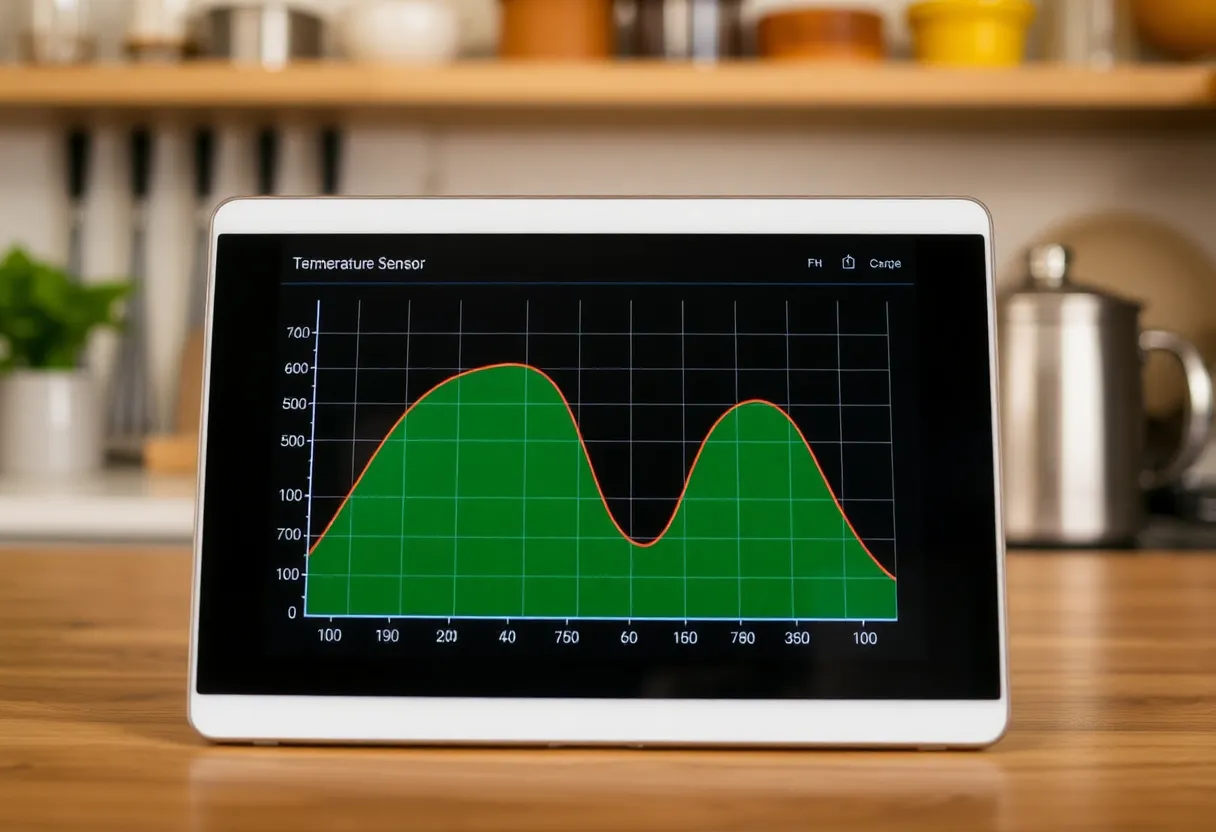
Lager fermentation benefits from slow ramps and stable lows; missteps show up days later as sulfur or butterscotch notes you cannot un-ring. Long secondary ferments on mead also reward trend data because inertia masks drift. For short lacto ferments at room temp, a min-max thermometer might be plenty unless you are publishing reproducible recipes.
Sensor theater: pretty graphs, noisy truth
Consumer probes differ in thermal mass and placement. A stainless bulb dangling in air reads differently than one taped to glass with foam insulation, which still is not the same as liquid core temperature. Averaging windows smooth spikes that were real events—door opened, sunbeam moved—and produce a false sense of constancy. If your dashboard looks like a stock chart, ask whether you are measuring the ferment or measuring your need to fiddle.
Calibration and maintenance nobody schedules
Ice bath checks for probes take five minutes and save hours of superstition. Firmware updates for Wi-Fi loggers sometimes reset sampling rates silently. Batteries die during vacations, generating flatlines that look like perfection until you realize the sensor went offline. Treat hardware like a pet: feed it calibration, walk it through firmware notes.
Automation without babysitting
PID controllers on fermentation fridges can hold tight bands; they can also hunt if the compressor is slow and the gains are wrong. Start conservative; log compressor cycles alongside beer temp. The goal is fewer degree-hours off target, not a contest to hold 0.01 °C because the yeast do not care about your ego.
Alerts deserve tuning too: SMS on every 0.2 °C wobble trains everyone to mute you. Hysteresis bands and digest windows—notify if five-minute average crosses a band—mirror how brewers actually intervene. Automation should reduce midnight drives to the basement, not replace sleep with push notifications.
Food safety versus hobby precision
Vegetable ferments rely on salt concentration and anaerobic headspace more than tenth-of-a-degree control. Curing salami is a different risk class entirely—logging humidity and temp matters there, but so do validated recipes and sometimes professional guidance. Do not let chart dopamine convince you that graphing pickles replaces weighing salt correctly.
Bread proofing boxes and the Instagram thermostat
Proofers with glass lids and cute LEDs sell the dream of banneton-perfect timing. Dough cares about dough temperature, not air temperature three inches above the rim. Infrared spot readings of the surface differ from probe cores; log both once to learn offset, then stop performing surgery on your bulk ferment every twenty minutes. Gluten networks need rest as much as heat.
Koji rooms and aspirational mimicry
Home koji makers chase stable 86 °F with rice humidity envelopes that commercial nurseries achieve with humidifiers you do not own. Logging reveals when your “koji box” is actually cycling ten degrees because the heat mat lacks airflow. That is not failure—it is information to simplify the setup before mold stress sporulates green panic.
Glass versus plastic vessels and thermal lag
Thick glass carboys swing slowly; HDPE buckets equilibrate faster and leak scent through micropores. Your logger on the outside of glass sees damped curves that under-report peaks microbes felt. Document vessel type beside temperature columns or your “repeatable recipe” will not repeat across hardware.
Scientific method for stubborn optimizers
Change one variable per batch when debugging esters. If you adjust pitch rate, nutrient schedule, and temperature band simultaneously, the graph becomes modern art. Keep a control jar without gadgets occasionally—humbling, instructive, and faster to clean.
Partners and roommates versus LED blinkenlights
Bedroom ferment chambers annoy humans even when yeast applaud. Logging can justify relocating the project to a closet with sound baffling and a fire-safe heat mat. Domestic peace is a sensor reading too, just not exported to InfluxDB yet.
Community dynamics: data flex versus taste notes
Forums love CSV exports. Beginners need smell, texture, and pH strips more than Grafana. Share both: a screenshot plus a sentence about acetaldehyde green apple versus pear esters. Data without organoleptic anchors is cosplay.
Wi-Fi probes, cloud accounts, and the fermentation attack surface
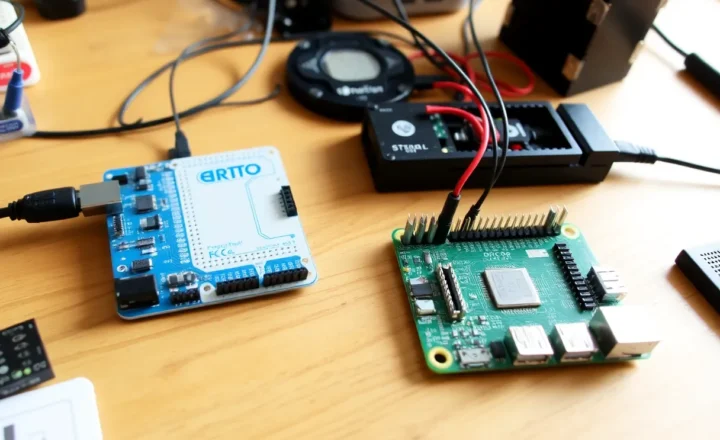
Internet-connected cookers and Bluetooth bridges that phone home are convenient until the vendor sunsets the API. Prefer local logging to Home Assistant or plain CSV on a Raspberry Pi if you care about decade-scale repeatability. Change default passwords on cheap gateways; your sourdough timeline does not need to be someone else’s botnet hop.
Yeast pitch temperature and the first forty-eight hours
Many off flavors lock in early when yeast shock or race too hot. Logging the crash from “ice bath pitch” to “fermentation setpoint” documents a variable recipe writers gloss over as “cool to room temp.” If your logger shows a two-hour plateau at 28 °C because you walked away, you learned something worth adjusting next batch—no amount of late-stage temperature perfection fixes that memory.
Kombucha, kefir, and the myth of single setpoints
Living cultures on countertops ride diurnal swings. Chasing flat lines fights the season. Instead log min/max bands and correlate with flavor snapshots: too sharp by Tuesday? Maybe summer nights were warmer than the thermostat suggested because the sensor sat in airflow from a laptop fan. Context beats setpoint fetish.
Mead, staggered nutrients, and timing events
Advanced meadmakers log not only temperature but also nitrogen additions and degassing. Those are discrete events on a timeline—perfect for spreadsheet discipline without sampling every minute. Match logging cadence to biological timescales; one-minute resolution on a three-week primary is often wasted storage.
Cheese caves and humidity friends
Hard cheese aging wants RH control as much as temperature. If your gadget only logs dry-bulb temp, you are painting half the portrait. Budget hygrometers drift; salt-slurry calibration bags exist for a reason. Performance art here is pretending a single sensor makes you affineur.
Sous-vide crossover and false confidence
Immersion circulators taught home cooks that PID magic equals perfection. Fermentation is slower chemistry with living variance. Borrow circulators for step mashing or yogurt incubation where they shine; resist the urge to sous-vide every wild ferment unless you enjoy boiled cabbage aromatics sealed in plastic.
Data volume and the anxiety of missing points
Some loggers default to aggressive sampling that fills SD cards and triggers false alarms on noise. Decimate for storage; aggregate for dashboards. Your future self thanks you when exporting a year of brews does not require awk and prayer.
Off-grid makers and the paper notebook renaissance
Not everything needs MQTT. A pencil graph taped to the fermentation fridge door survives power outages and router reboots. Hybrid workflows—daily handwritten dot, hourly logger—often beat always-on anxiety.
Closing toast
Gadgets should shorten the loop between intention and delicious outcome. When logging becomes the main sensory experience, rotate the camera back toward the jar: bubbles, color, aroma. The microbes were never performing for your dashboard—they were eating. Keep feeding them well, and let the charts stay servants, not stars.
Archiving runs for future you
Export CSV with batch IDs, yeast generation numbers, and malt lot codes in the filename. Future competitions, club tastings, and “why was 2024 weird?” investigations reward boring metadata. The performance art version stops at screenshots; the craft version treats logs like brew logs sailors kept—slightly obsessive, occasionally poetic, always honest about the weather.
If your last three batches improved after you spent less time staring at graphs, consider that the most important sensor might still be your nose.
Temperature is one dial on a mixer with salt, time, oxygen, and microbes who refuse to read your README. Log faithfully, taste often, and edit your stack when the show steals the meal.