ORM N+1 at Scale: The Interview Question Everyone Nods Through

Quinn Reed
May 9, 2026

Every backend interview touches the N+1 problem: one query for N parent rows, then one query per child relationship, scaling like a gas leak. Candidates nod. Interviewers nod. Everyone agrees eager loading is the answer. Then the same team ships a service that still fans out hundreds of round trips under production traffic because knowing the vocabulary is not the same as instrumenting the app before a launch window eats you.
This article is the part of the conversation that happens after the nod: how ORMs hide query shape, why “we use joins” is not a personality trait, and what actually breaks at scale when nobody owns SQL literacy.
The shape of the problem in plain SQL
Imagine loading authors and their latest posts. Naive ORM code often issues SELECT * FROM authors then, for each author id, SELECT * FROM posts WHERE author_id = ?. One plus N. Latency multiplies with RTT to the database, connection pool pressure grows, and observability tools show a comb of queries identical except for bind parameters. Fix patterns include join queries, batched IN lookups, keyset pagination, or denormalized read models—none of which magically appear because you installed a smarter ORM.
Round-trip time dominates at cloud distances. A 0.5 ms query plan executed five hundred times across a 2 ms network path spends a second on waiting, not computing. CPUs yawn while sockets spin. That is why batching beats micro-optimizing each single-row lookup: fewer trips beat slightly faster trips.
Pagination and the hidden multiplier
Offset pagination on large tables tempts ORMs to fetch IDs then hydrate full graphs per row. Keyset pagination shrinks working sets and pairs better with stable join plans. If your list endpoint still uses LIMIT/OFFSET at millions of rows, N+1 is only one of your villains—full table walks are the sequel.
Serialization layers as accidental query generators
JSON serializers that touch lazy attributes per field turn innocent DTO mapping into a symphony of lookups. Mark fields as prefetched in serializers, or split read models so serialization never touches ORM instances at all—plain dicts from SQL projections break fewer hearts.
Authorization hooks that re-query everything
Policy checks that load roles, scopes, and org trees per row recreate N+1 at the application policy layer even when the main query was batched. Cache subject attributes per request scope, or attach ACL decisions as columns in the primary read query when row-level security is not available.

Why interviews flatten the nuance
Whiteboard time is scarce, so “N+1” becomes a checkbox next to “indexes.” Real systems mix graph-like fetches, authorization checks that re-hit the database, and serializers that lazily touch fields. A single overlooked for loop in a template renderer can resurrect the comb. Interview answers should include “I would turn on SQL logging in staging and watch counts,” not only naming select_related or JOIN FETCH.
ORM features that help—and footguns they hide
Django’s select_related and prefetch_related, SQLAlchemy joinedload strategies, Prisma’s include, Rails’ includes—all express intent to collapse round trips. Each has edge cases: cartesian products when prefetching multiple many-to-many relations, duplicated parent rows bloating memory, or prefetch caches that go stale if you mutate collections in Python without telling the identity map. The ORM is a compiler; compilers need profiling.
Observability beats debate club
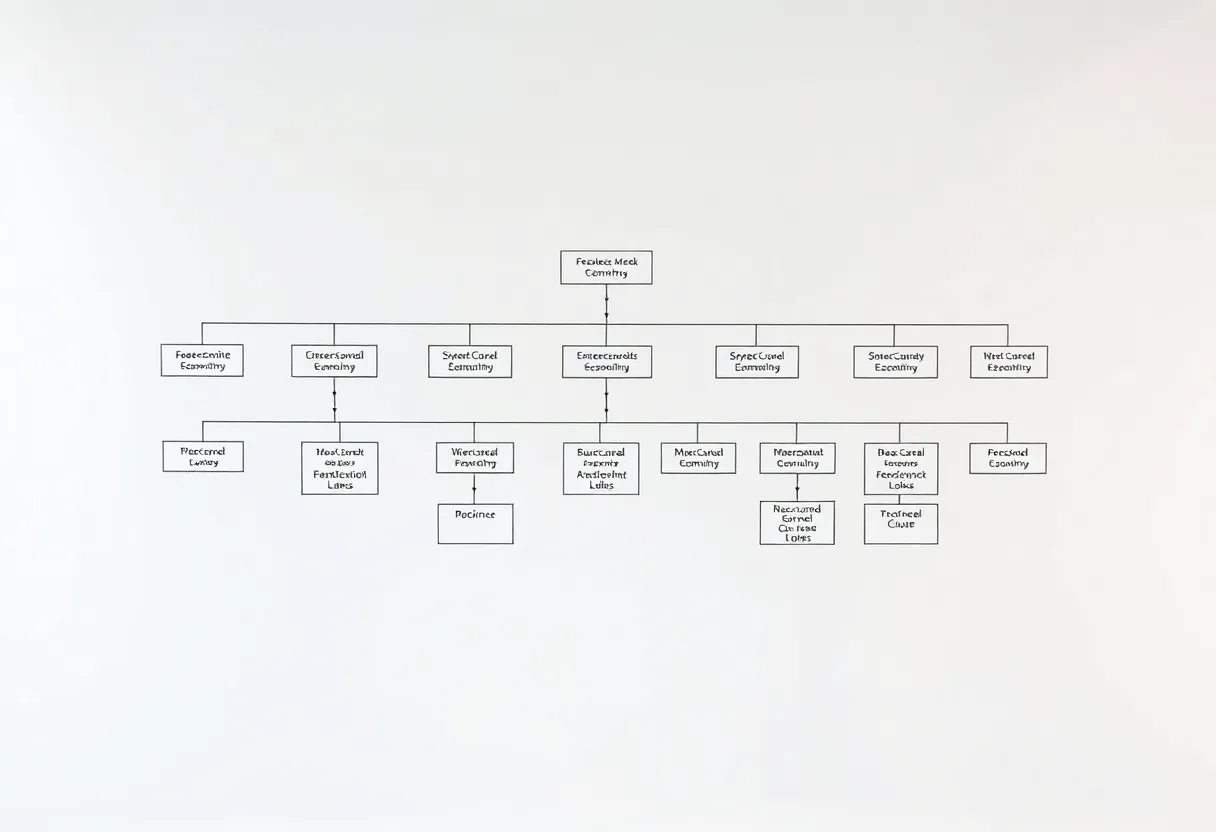
Wrap your repository layer with metrics: query count per request, total time waiting on DB, slow query logs with normalized fingerprints. OpenTelemetry spans around repository calls show fan-out visually. The goal is to make N+1 embarrassing on a dashboard before customers make it embarrassing on Twitter.
Read paths versus write paths
ORM ergonomics shine on writes; read-heavy endpoints often deserve raw SQL, materialized views, or search indexes. CQRS is not mandatory religion, but pretending every read should traverse the same object graph that models domain invariants is how you accidentally teach Postgres fanfiction.
Read replicas do not cure N+1; they spread the comb across more hardware while replication lag introduces fresh correctness puzzles. Fix the query shape first, then scale out.
Testing that catches liars
Factory-heavy tests that stub the database hide N+1 entirely. Integration tests asserting query counts—or using libraries that fail when unexpected queries fire—pay rent. They are brittle if abused, but a brittle test that forces an explicit assertNumQueries bump is better than silent latency debt.
API design pressures
GraphQL and flexible JSON fields encourage clients to request arbitrary shapes. Without dataloaders or equivalent batching, resolvers become N+1 playgrounds. Discipline at the schema layer—pagination limits, field cost analysis—belongs in the same toolkit as SQL joins.
Microservices and the distributed N+1
Replace database round trips with HTTP calls and you recreate the comb across network boundaries—worse, because JSON parsing and auth middleware add tax. Aggregator services or BFF layers must batch internal RPCs; otherwise “we split the monolith for scale” becomes “we fan out like a rake hitting gravel.”
Caching masks until it does not
Redis in front of a chatty ORM buys time until cache stampedes or cold keys wake up during marketing pushes. Document which endpoints rely on denormalized caches; when invalidation fails, N+1 returns wearing a disguise as elevated CPU on the cache client.
ORM-generated SQL quality
Sometimes the ORM emits joins that defeat index selection—out-of-order predicates, implicit casts, or OR chains that banish bitmap plans. Reading the actual SQL still matters. EXPLAIN (ANALYZE, BUFFERS) is not nostalgia; it is telemetry with teeth.
Transactions and lock duration
Wide eager loads inside long transactions hold locks while unrelated work proceeds. N+1 is not only latency; it is concurrency risk. Shrink transaction scopes; fetch read-only graphs outside write locks when business rules allow.
Migrations that reshape access patterns
Adding a nullable foreign key tempts code paths to dereference optional relations without prefetch, resurrecting combs in code paths that “never ran before.” Migration checklists should include query plan review, not only schema diff.
Junior-friendly guardrails that actually help
Linters and static analyzers for some stacks flag suspicious loops touching ORM attributes. Repository conventions—always fetch lists via dedicated query objects—reduce improvisation. None replace code review questions: “How many queries does this endpoint emit on a page of fifty?”
Senior sin: clever abstractions that hide fan-out
Magic accessors that lazy-load relations read beautifully in domain code and execute catastrophically in serializers. Prefer explicit service methods whose names include “WithRelations” so call sites carry warning labels.
Language-specific notes without turning into documentation
Django REST framework’s serializers plus generic views reward small demos and punish large includes unless you pair with careful select_related discipline. Hibernate’s defaults around lazy collections bit Java shops for years until batch fetching and fetch joins became muscle memory. Prisma’s ergonomics tempt nested writes in one call—read paths still need include intentionality. Go’s GORM preloading APIs require explicit slices; forgetting Preload is a rite of passage logged in Git blame shame. The pattern repeats: convenience for writes, vigilance for reads.
Streaming and cursors
When exporting large CSVs, server-side cursors can stream rows while keeping memory flat—if you do not hydrate full object graphs per row. ORM iterator APIs exist; verify they do not issue per-row flush events unless you want a performance novella.
Connection pool arithmetic
Each concurrent request that fans out ties a connection longer. Pool exhaustion looks like “random 500s” while N+1 looks like “slow p95.” Together they produce incident reports blaming Kubernetes. Graph concurrent handlers times max queries times average query duration; if product exceeds pool size, no index saves you.
When denormalization is cheaper than clever ORM
Read-heavy dashboards that always show “last comment author” benefit from stored denormalized columns maintained by triggers or event consumers. You trade write complexity for read simplicity—sometimes the adult choice after you have profiled the join explosion twice.
Teaching teams without shame spirals
Blameless postmortems should name missing guardrails, not junior developers who trusted defaults. Add query budgets to definition-of-done. Celebrate PRs that shrink query counts even if line count rises—SQL is not the enemy.
A tiny story with numbers
Suppose an endpoint served fifty orders. Unbatched, it issued one order query, fifty customer lookups, fifty line-item aggregations, and fifty shipment status checks—203 queries. Batching customers and shipments into two IN queries and aggregating line items in one grouped SQL reduced the count to four. p95 dropped from 800 ms to 90 ms. The code looked less “elegant” on paper and felt faster in wallets. That is the trade nobody brags about in conference talks but finance notices.
Closing honesty
Nodding through the interview question is free. Shipping without query budgets costs money. Treat ORMs as accelerators for people who still read execution plans sometimes, not as permission to forget that databases speak set theory, not object graphs.
Keep the interview answer, but budget an afternoon with SQL logging before merge. The nod is the start of the job, not the proof you finished it.
If your staging trace still looks like a hair comb after “the fix,” keep going until it looks like a comb you could actually run through hair—few teeth, wide gaps, no surprises.