Why Your Smart Speaker Choice Still Locks You Into an Ecosystem

Ryan Collier
March 15, 2026
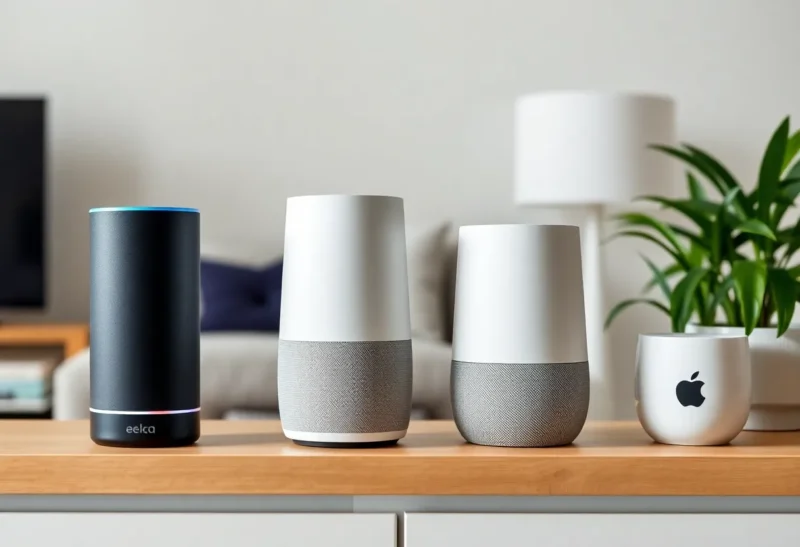
Smart speakers are supposed to make your home smarter: play music, answer questions, control lights and thermostats. But the speaker you choose—Amazon, Google, or Apple—still locks you into an ecosystem. Skills, routines, and device compatibility are tied to that choice, and switching later is painful. Here’s why your smart speaker choice still locks you in, and what to expect in 2026.
Voice Assistants Don’t Cross Borders
Alexa, Google Assistant, and Siri each have their own wake word, skills, and integrations. A speaker that runs Alexa can’t run Google or Siri; you don’t get to pick the assistant after you’ve bought the hardware. So when you buy an Echo, you’re buying into Amazon’s ecosystem: Alexa skills, Amazon Music, Prime, and the way Amazon’s smart home stack works. A Google Nest speaker ties you to Google Assistant, Google Home app, and Google’s device partnerships. Apple HomePod means Siri, HomeKit, and Apple’s walled garden. There’s no “neutral” smart speaker that lets you swap assistants—so your first speaker choice effectively picks your ecosystem.
That matters because skills and routines don’t transfer. If you’ve built a dozen Alexa routines and linked dozens of smart home devices to your Echo, moving to Google means redoing all of that. Device compatibility differs too: some gadgets work with Alexa and Google but not HomeKit, or the other way around. So your speaker choice doesn’t just affect music and queries—it affects which smart home devices you can easily use and how you configure them.
Matter Helps Devices, Not Assistants
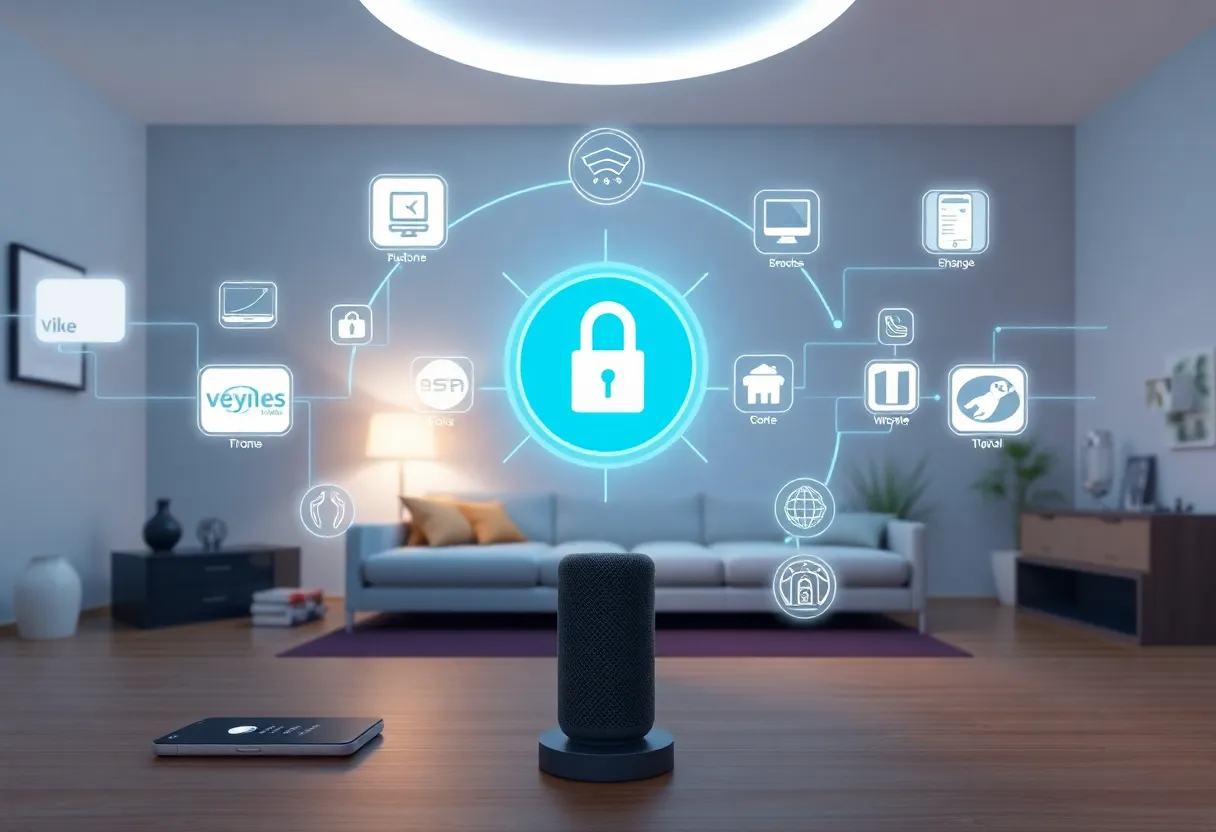
Matter is improving interoperability for smart home devices: lights, plugs, and sensors can work with multiple controllers and apps. But Matter doesn’t unify the voice assistants. Your Echo can control Matter devices; so can your Google Nest or Apple Home. The devices themselves are less locked in—but the way you talk to your home is still tied to the speaker you bought. So Matter reduces lock-in at the device level; it doesn’t remove lock-in at the assistant level. Your smart speaker choice still determines which voice you use and which ecosystem’s logic (routines, automations, defaults) you live in.
Routines, Defaults, and the Daily Grind
Once you’re in an ecosystem, you accumulate routines: “Good morning” that turns on lights and reads the weather, “Goodnight” that arms the alarm and turns off devices. Those are built inside the vendor’s app and don’t export. Switching ecosystems means rebuilding every routine and re-teaching everyone in the household a new wake word and new phrasing. For many people, that friction is enough to stay put even if they’re not fully happy. So the lock-in isn’t just technical—it’s habitual and family-wide.
Defaults compound the effect. Your speaker’s default music service, default calendar, default shopping list—all tend to favor the ecosystem. Want to use Spotify on an Echo? You can, but Alexa will nudge you toward Amazon Music. That doesn’t mean you can’t use other services, but the path of least resistance is the ecosystem you’re in.
What to Do About It
If you haven’t bought yet, think of the smart speaker as a long-term commitment. Choose based on which ecosystem you’re already in (Apple household vs. Android/Google vs. Amazon) and which smart home devices you plan to use. If you’re already deep in one ecosystem, adding a speaker from the same vendor is the path of least friction. If you want to minimize lock-in, lean on Matter-compatible devices so that if you ever switch speakers, at least your lights and plugs can come with you—even if your routines can’t.
In 2026, the smart speaker choice still locks you into an ecosystem. Matter has made devices more portable, but the voice layer and the routines you build are still tied to the brand on the speaker. Choose with that in mind.
The Bottom Line
Your smart speaker choice still locks you in: voice assistant, skills, routines, and default services don’t transfer between Amazon, Google, and Apple. Matter improves device interoperability but not assistant interoperability. Pick your speaker knowing you’re picking an ecosystem—and that switching later will cost you time and reconfiguration.