Why Your Smart Home Needs Offline Mode More Than Voice Control

Drew Morrison
March 7, 2026

Voice control sold us on the smart home. Say “Alexa, turn off the lights” or “Hey Google, set the thermostat to 72” and the house obeys. It’s convenient, futuristic, and genuinely useful—until the internet goes down. Then your voice assistant goes mute, your app can’t reach your devices, and you’re left tapping blindly on switches that no longer respond. The very thing that made your home feel intelligent suddenly makes it feel broken.
Here’s the uncomfortable truth: most of what we call “smart” in our homes isn’t smart at all. It’s cloud-dependent. Every command, every status check, every automation runs through someone else’s server. When that connection fails—and it will—your smart home becomes dumb. The fix isn’t more voice commands or fancier assistants. It’s offline mode: devices and logic that keep working when the cloud doesn’t.
Why the Cloud Keeps Failing You
Cloud dependency is baked into the business model of nearly every major smart home vendor. Amazon, Google, Apple, Samsung—they all route your requests through their infrastructure. That’s how they lock you into ecosystems, collect usage data, and sell you subscriptions. But it’s also why your lights stop responding when Comcast has an outage, or when Amazon’s servers hiccup during Prime Day.
Outages are frequent. A 2024 study of smart home reliability found that cloud-based systems failed to respond within 30 seconds about 3% of the time—and that’s during normal conditions. During regional internet outages or vendor incidents, failure rates spike. Your home shouldn’t depend on infrastructure you don’t control.

Local Control: What Actually Works Offline
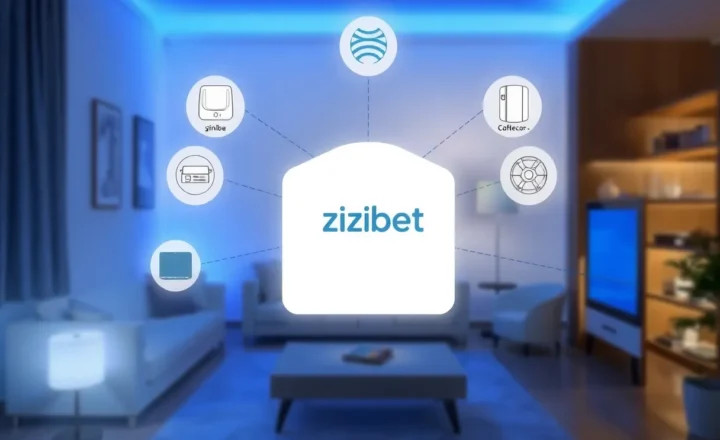
Not all smart home tech is cloud-first. Zigbee, Z-Wave, Matter, and Thread are designed for local communication. A hub that runs logic on your network—Home Assistant, Hubitat, or even Apple’s HomePod with HomeKit—can keep your automations running without the internet. Lights, thermostats, locks, and sensors can talk to each other and to you, all within your four walls.
The difference is architectural. Cloud-dependent devices send every command to a remote server, which then sends it back to your home. Local-first devices communicate directly with a hub or with each other. When you say “turn off the lights,” the hub processes that locally and sends the command over your LAN. No round-trip to Amazon or Google. No dependency on your ISP. Just your network, your devices, and your rules.
This isn’t theoretical. I’ve run a locally controlled smart home for years. When the internet drops—which happens a few times a year—the lights still turn on at sunset. The thermostat still follows the schedule. Motion sensors still trigger scenes. Voice control stops, but everything else keeps going. That’s the baseline we should expect.
Voice vs. Reliability: The Real Trade-off
Voice assistants are convenient. There’s no denying it. Walking into a dark room and saying “turn on the lights” beats fumbling for a switch. But convenience that vanishes the moment your connection drops isn’t convenience—it’s fragility. The question isn’t whether voice is nice to have. It’s whether you’re willing to sacrifice reliability for it.
Here’s the good news: you don’t have to choose. Local-first systems can still use voice. Home Assistant integrates with local voice options like Rhasspy or Piper. Apple’s Siri works with HomeKit locally for many commands. The key is that the heavy lifting—the logic, the device communication—happens on your network. Voice is just another input. When the cloud is down, you lose voice, but you keep control: physical switches, keypads, and apps that talk directly to your hub.

Privacy and Data: The Hidden Cost of Cloud-First
Beyond reliability, cloud dependency has a privacy cost. Every voice command, every status check, every routine trigger can be logged, analyzed, and monetized. Amazon and Google have both faced scrutiny over how they handle smart home data. Even if you trust them today, that data is a target for hackers, subpoenas, and policy changes.
Local-first systems keep your data at home. Commands stay on your network. Logs stay on your hub. No one else needs to know when you turn off the bedroom lights or adjust the thermostat. For many people, that’s not just a bonus—it’s a requirement.
How to Move Toward Offline-First
If you’re starting fresh, choose local-first from the beginning. Matter and Thread are the emerging standards; they’re designed for local control with optional cloud features. Hubitat and Home Assistant are excellent hubs that prioritize local processing. Avoid devices that require a vendor app and cloud account for basic functionality.
If you’re already invested in Alexa or Google Home, you don’t have to rip everything out. Add a local hub alongside your voice assistant. Migrate critical automations—lighting, climate, security—to the hub. Use voice for convenience, but ensure the core logic runs locally. Over time, you can phase out cloud-dependent devices as they fail or as you upgrade.
Prioritize devices that work with Zigbee, Z-Wave, or Matter over Wi-Fi-only gadgets that phone home. Check product documentation: does the device need an internet connection for basic control? If yes, think twice.
The Bottom Line
Your smart home should work when the internet doesn’t. That’s not a luxury—it’s the minimum. Voice control is a nice interface, but it shouldn’t be the foundation. Build on local control, add voice as a layer, and keep your home running no matter what happens to the cloud. The future of the smart home isn’t more dependence on Amazon and Google. It’s less.