Why Voice Assistants Still Can’t Handle Accents and Regional Dialects

Ryan Collier
March 7, 2026
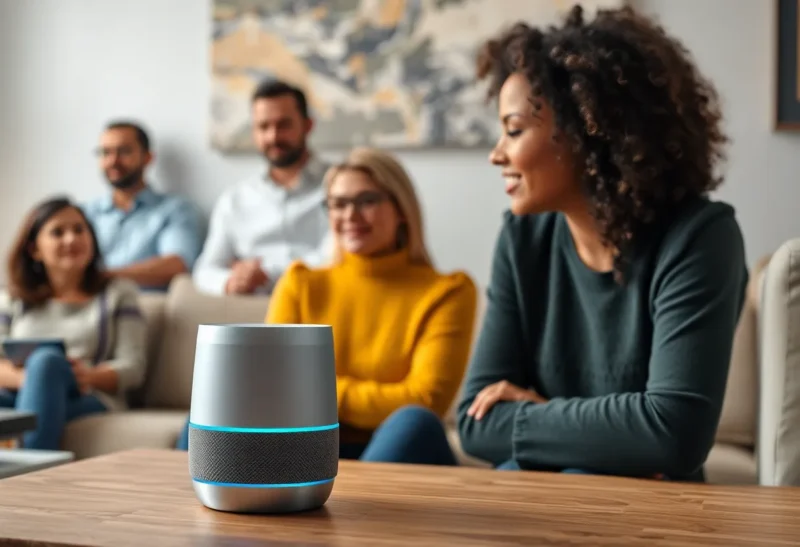
You ask your smart speaker to set a timer. It sets an alarm instead. You ask for the weather. It thinks you said “whether.” You speak with an accent, a regional dialect, or a speech pattern that deviates from the “standard” English that voice assistants are trained on—and suddenly, the device that’s supposed to understand you becomes a source of frustration.
Voice assistants have improved dramatically over the past decade. They handle ambient noise better, wake-word detection is more reliable, and cloud-based speech recognition is faster. But accents and dialects remain a stubborn gap. Here’s why, and what’s actually changing.
The Training Data Problem
Speech recognition systems are trained on enormous datasets of spoken language. The more data you have for a given accent or dialect, the better the model performs. The problem: most training data comes from American English, spoken in a relatively narrow range of accents. British English gets decent coverage. Indian English, Irish English, Nigerian English, Scottish English, and countless regional American accents get far less.
When the model encounters a voice it hasn’t seen enough of, accuracy drops. Mishearings multiply. Commands fail. The user experience breaks. It’s not that the technology can’t handle diversity—it’s that the datasets are skewed. Fixing that requires collecting and annotating more diverse speech, which is expensive, labor-intensive, and raises privacy concerns.
Real-World Failures
Studies have shown that voice recognition systems make far more errors for speakers with non-standard accents. Error rates for African American English, Indian English, and various regional British and American accents can be two to five times higher than for “neutral” American English. That translates to daily friction: wrong timers, misheard reminders, failed smart home commands. For people who rely on voice for accessibility, it’s more than annoying—it can lock them out of functionality they need.
Why This Matters Beyond Annoyance
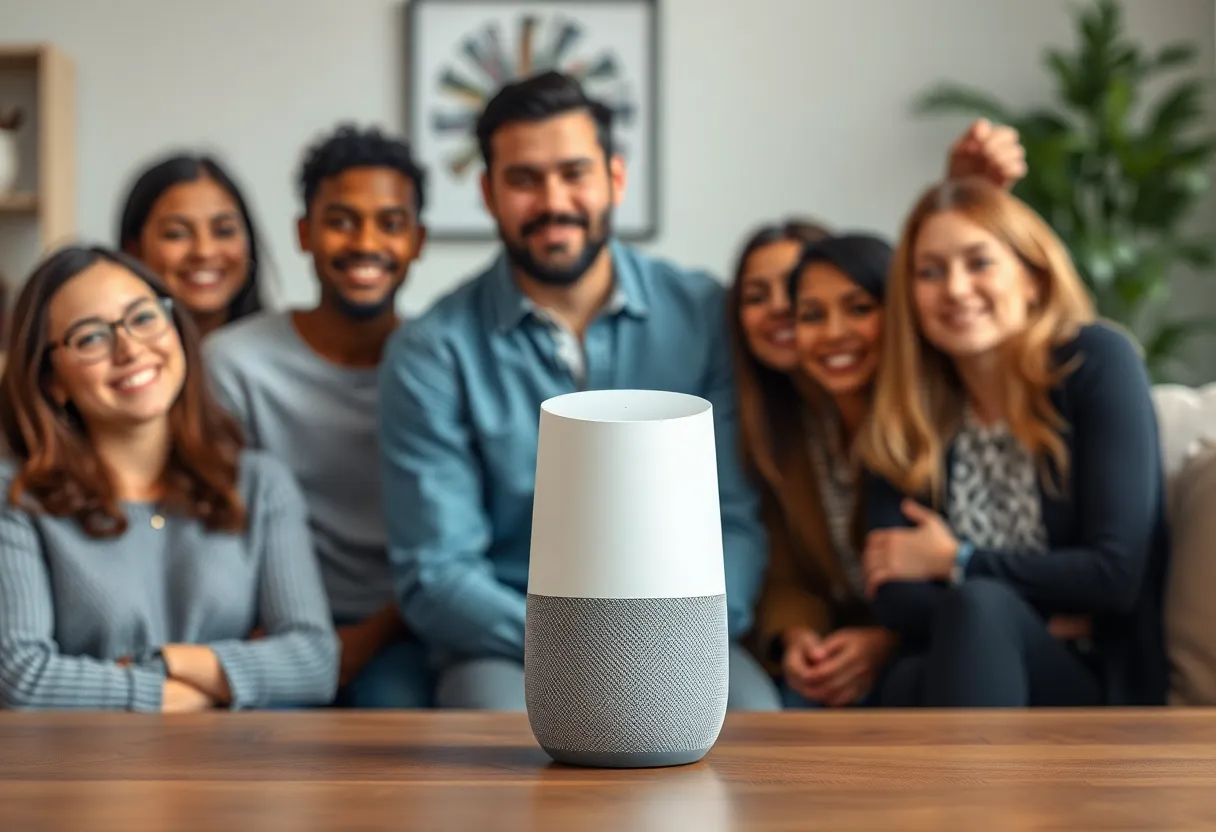
For many users, voice assistants are a convenience. For others—people with mobility limitations, visual impairments, or conditions that make typing difficult—they’re essential. When accent bias blocks access, it’s an accessibility failure. Assistive tech that only works for some accents excludes people who need it most.
There’s also an equity dimension. Voice is increasingly used for authentication, customer service, and job interviews. Biased systems can misrecognize or reject non-standard accents, with real consequences for employment, banking, and services.
What’s Actually Improving
Progress is happening, but slowly. Major vendors—Amazon, Google, Apple—have expanded training data and added multilingual support. Some now support code-switching: mixing languages in a single utterance. Accent adaptation—where the model fine-tunes to a specific user over time—is available on some devices. It helps, but it’s not a fix. Users with heavy accents still report far more errors than those with “standard” speech.
The Technical Trade-offs
Improving accent coverage means adding more training data, which means more compute, more storage, and more complex models. There’s also a trade-off between breadth and precision: a model tuned for many accents may perform slightly worse on the dominant ones. Vendors have to decide where to invest. So far, the dominant accents still get the bulk of the investment.
What You Can Do
If you have accent-related issues, try accent adaptation if your device offers it—speak a set of phrases so the system can tune to your voice. Use clear, deliberate speech when giving commands; it’s not fair that you have to accommodate the system, but it often helps. Consider devices that support multiple languages or regional variants; sometimes switching to a different English variant improves recognition.
Report errors when they happen. Vendors use feedback to prioritize improvements. The more they hear from users with accents, the more likely they are to invest in that direction.
The Business Case for Fixing It
There’s a market incentive to improve accent support. Billions of people speak English with non-standard accents. As voice moves into healthcare, banking, and government services, vendors who fail to serve diverse users will lose contracts and trust. Regulation is also emerging: some jurisdictions are starting to require that automated systems be accessible to users with varied speech. The pressure is building.
Where We’re Headed
Voice tech will get better at accents—the incentive is there, and the research is advancing. But the timeline is years, not months. In the meantime, if your voice assistant constantly mishears you, you’re not alone. The gap between lab performance and real-world diversity is real, and it won’t close overnight.