Why the EV Grid Question Is Bigger Than Charging Stations

Jordan Lee
February 24, 2026
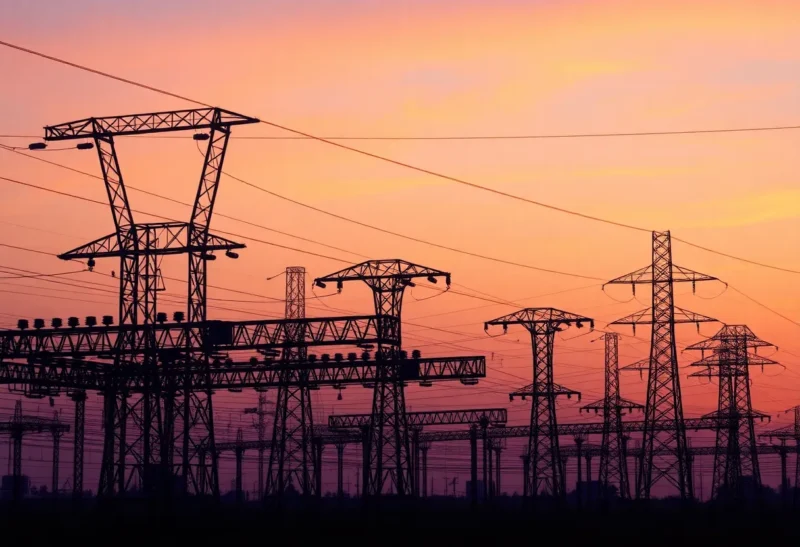
Most of the EV conversation is about chargers: how many, how fast, where they go. The harder question is the grid. Can the electricity system handle millions of cars plugging in—and what happens when they all do it at once? That’s bigger than charging stations. Here’s why.
Charging Stations Are Just the Outlet
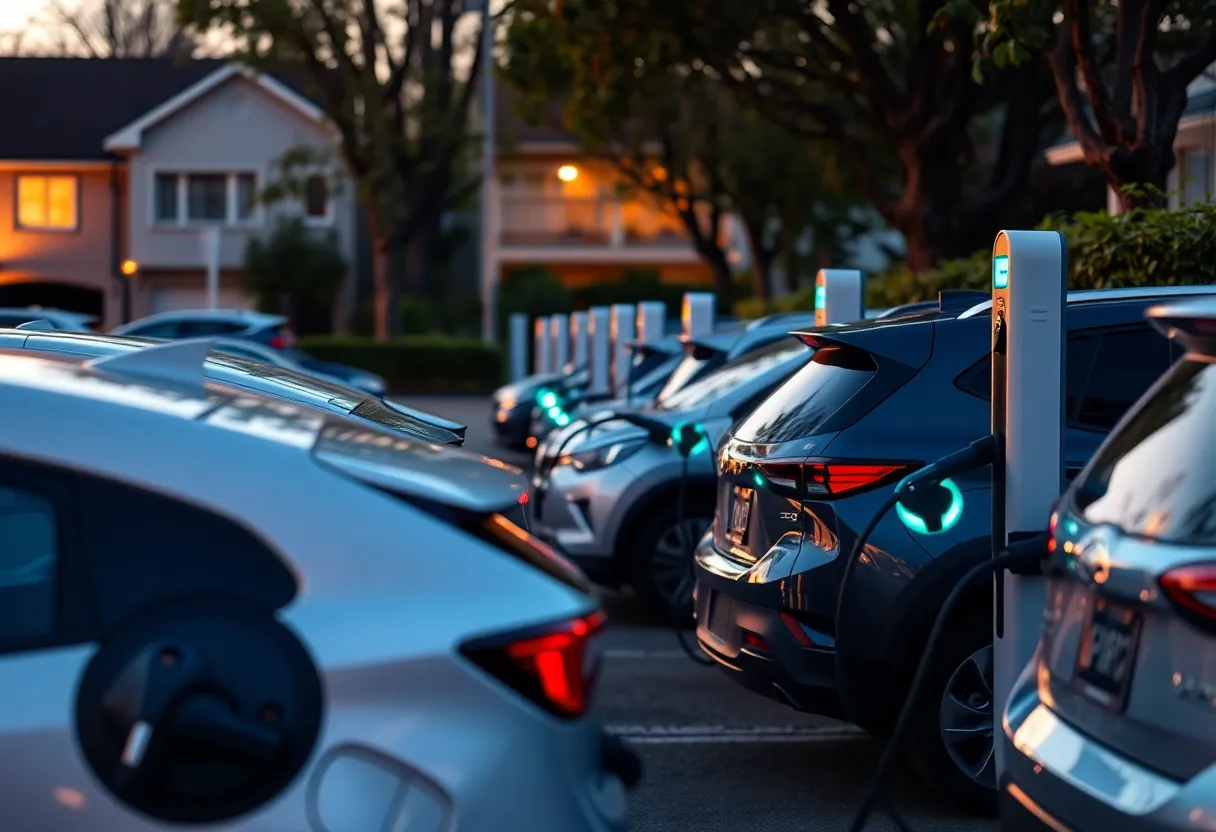
Building more chargers is necessary but not sufficient. Every charger is a draw on the grid. A single fast charger can pull as much as a small building. A neighborhood where a lot of people come home and plug in at 6 p.m. can create a sharp spike in demand that the local transformer or feeder wasn’t designed for. So the “EV grid question” isn’t just “is there a plug?” It’s “can the wires, substations, and generation handle the load when everyone wants to charge at the same time?” In many places, the answer is “not yet.”
Peak Demand and Local Constraints
Grid planners think in peaks. If EV charging concentrates in the same hours as existing peaks—early evening, when people get home and turn on lights and appliances—the peak grows. That can mean upgrading distribution lines, transformers, and sometimes generation. In areas where the grid is already stressed, that’s expensive and slow. So the real bottleneck for mass EV adoption isn’t always “we need more chargers”; it’s “we need more grid capacity, or we need to spread charging out.” Smart charging—delaying or throttling charge sessions to off-peak times—can help a lot. So can time-of-use rates that encourage people to charge when demand is low. But that requires coordination between utilities, charger networks, and vehicle software. We’re not there everywhere yet.
Generation and the Long Term
Even if the distribution grid can deliver the power, someone has to generate it. A full transition to EVs will increase total electricity demand. How much depends on how many EVs, how often they charge, and how much of that is shifted to off-peak. In regions with spare capacity and lots of renewables, that can be manageable. In regions that already rely on peaker plants or imports, adding a big new load without a plan can mean more fossil generation or reliability issues. So the “EV grid question” is also “where does the extra electricity come from, and is it clean?” Charging stations don’t answer that. Planning, generation build-out, and demand management do.

What Needs to Happen
Solving the EV grid question means three things. First, build out charging infrastructure—but in coordination with utilities so that new sites don’t overload local circuits. Second, incentivize or mandate smart charging so that as much load as possible moves off-peak. Third, invest in grid upgrades and in generation (renewables, storage, and flexible demand) so that the system can serve both existing loads and the new EV load without falling back on dirtier or less reliable sources. Ignoring the grid and only talking about chargers is a recipe for bottlenecks and backlash when the lights flicker or rates spike. The EV grid question is bigger than charging stations because the grid is the thing that makes the stations work—and it’s the thing that has to be ready first.
Who Pays and Who Decides
Grid upgrades cost money. Who pays—ratepayers, taxpayers, or private capital—varies by region and policy. So does who decides where new capacity goes. In some places, utilities are required to plan for EV growth and to work with charger installers; in others, it’s ad hoc. Until the regulatory and cost-allocation picture is clear, the “build more chargers” push can run ahead of the “build more grid” reality. That’s why the EV grid question is as much policy and economics as it is engineering.
The Bottom Line
Charging stations are the visible part of EV infrastructure. The grid is the invisible part—and it’s the one that will determine whether mass EV adoption is smooth or painful. Plan for both.