Why Smart Home Hubs Fail When Manufacturers Change Their Minds

Ryan Collier
March 7, 2026
You buy a smart home hub. It works with your lights, your locks, your thermostat. You add devices, build routines, and for a while everything just works. Then the manufacturer pivots. They deprecate the protocol, kill the cloud service, or sell the division. Suddenly your hub is a brick, and your “smart” home is a mess of orphaned devices and broken automations.
Smart home hubs fail when manufacturers change their minds—and they change their minds all the time. Here’s why, and what you can do about it.
The Platform Problem
Most smart home ecosystems are closed platforms. The hub speaks a proprietary protocol, and the cloud service that ties everything together is controlled by the manufacturer. When they decide to shut it down, raise prices, or abandon the product line, you’re stuck. There’s no migration path. Your investment in devices and automations becomes worthless overnight.
Examples are everywhere. Wink raised subscription fees and killed local control. Insteon went bankrupt and left users without cloud access. Nest killed the Works with Nest program and broke integrations. SmartThings has deprecated features and shifted to cloud-dependent models. The pattern repeats: platform lock-in, then platform abandonment.

Cloud Dependency
When your hub relies on the cloud for everything—routines, device discovery, even basic control—you’re at the mercy of a remote server. If it goes down, your lights don’t turn on. If the company pivots, your automations stop working. Local-first hubs exist (Home Assistant, Hubitat), but they’re in the minority. Most consumer products are designed for cloud convenience, not local resilience.
Matter and the Open-Protocol Hope
Matter—the new open smart home standard backed by Apple, Google, Amazon, and others—aims to fix some of this. Devices that speak Matter should work with any Matter-compatible hub, regardless of manufacturer. In theory, that reduces lock-in. In practice, Matter adoption is still early. Many devices don’t support it yet, and some manufacturers are slow to add it. It’s progress, but don’t assume your current setup is future-proof.
What You Can Do
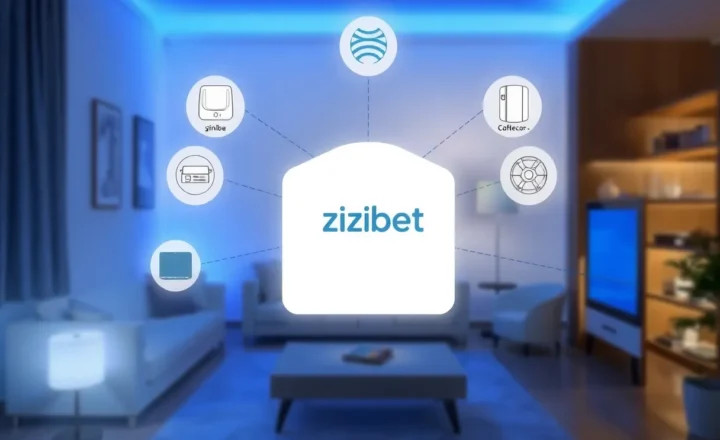
Prefer hubs and ecosystems that support local control. Home Assistant, Hubitat, and similar platforms run logic locally and don’t depend on a manufacturer’s cloud. They use open protocols—Zigbee, Z-Wave, Matter—that aren’t tied to a single vendor. When a manufacturer changes their mind, you can swap devices without losing your setup.
If you’re already locked in, hedge your bets. Don’t put critical functions—security, heating, lighting—entirely in one ecosystem. Use devices that work with multiple hubs. When the time comes to migrate, you’ll have options.
Smart home hubs fail when manufacturers change their minds. Plan for that. Choose local, choose open, and assume the platform you love today might not exist tomorrow.