Why Retro Gaming Hardware Is Having a Moment in 2026

Reese Dunn
February 26, 2026
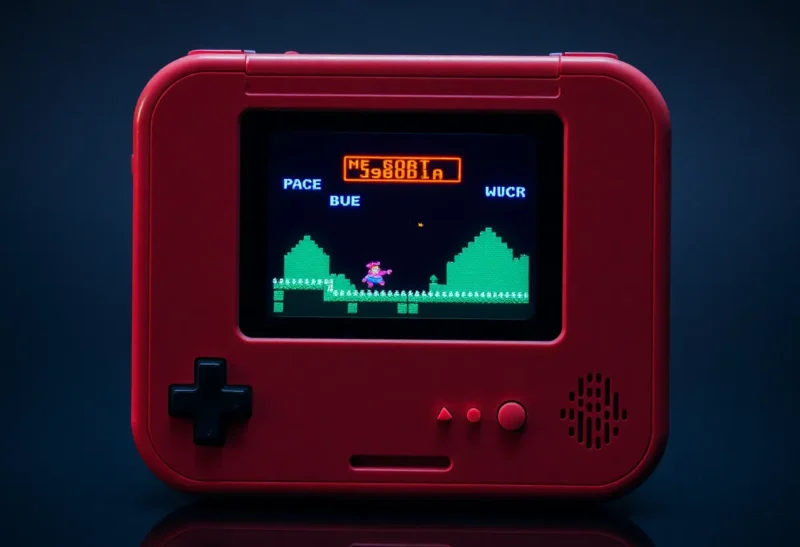
Retro gaming hardware—handhelds that play classic games, mini consoles, and devices that emulate decades of platforms—is having a real moment. It’s not just nostalgia. A combination of better emulation, affordable parts, and a generation that grew up with pixel art and 16-bit sound has created a market for hardware that’s explicitly about the past. Here’s why it’s happening now and what it says about how we play.
More Than Nostalgia
Nostalgia is part of it. People who grew up with Game Boy, SNES, or PlayStation want to revisit those games without hunting for original hardware and cartridges. But the retro hardware boom isn’t only about reliving childhood. The games from the 8- and 16-bit eras—and even the early 3D era—were built around constraints. Short play sessions, clear goals, no live services or battle passes. For a lot of players, that’s a feature. Retro hardware and emulation give access to a library that feels different from the always-on, update-driven present. It’s a way to own the experience in a way that feels tangible.
Technology Caught Up
Emulation has gotten good enough that running old games on small, cheap hardware is trivial. A Raspberry Pi–class chip can handle everything up through the early 2000s. So we’ve seen a wave of handhelds—Anbernic, Retroid, and others—that pack a full retro library into a pocket-sized device. They’re not official; they’re built on open emulation and community firmware. The same tech that used to require a desktop and some tinkering now fits in your hand and works out of the box (or with a quick SD card setup). That lowered the bar for “I want to play old games on the go.”
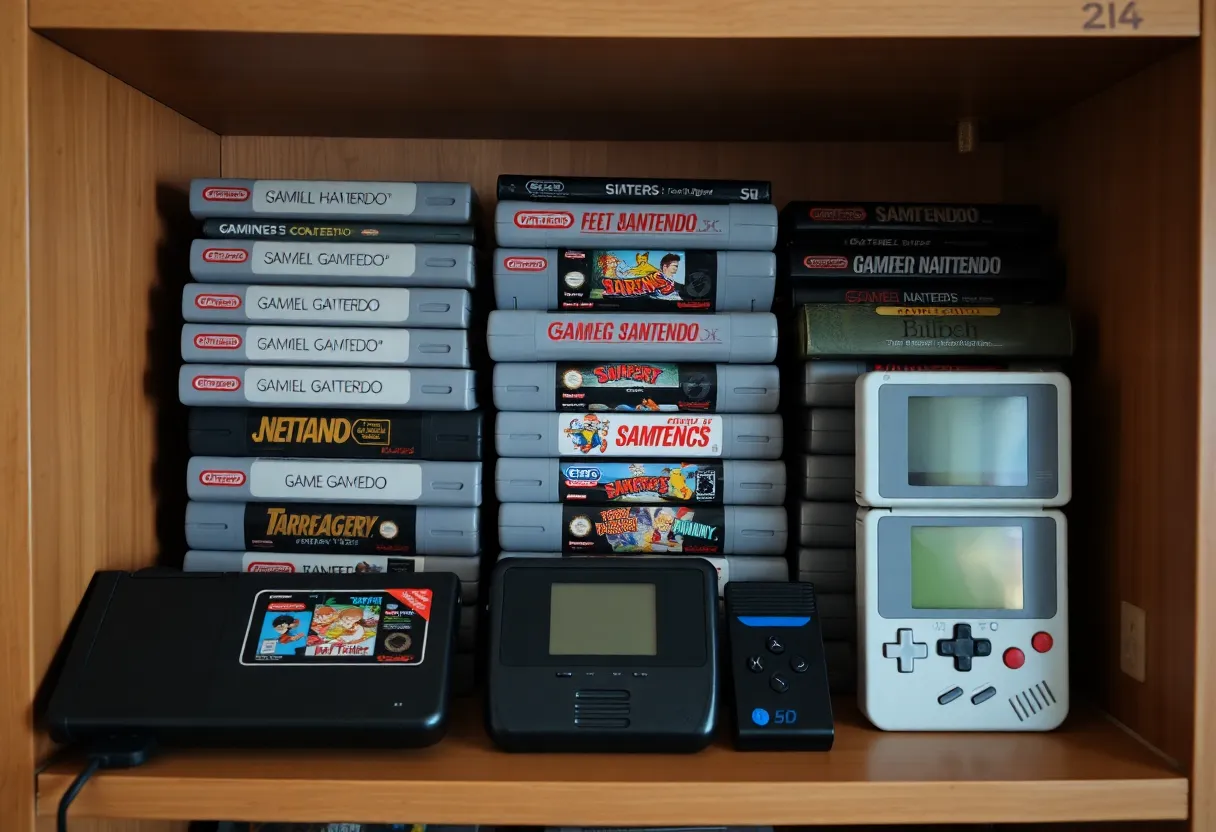
At the same time, official mini consoles—NES Classic, Genesis Mini, and the like—proved there’s a market for plug-and-play retro. They’re limited and sometimes overpriced, but they showed that people will buy dedicated hardware for old games. The unofficial handheld market filled the gap for everything those don’t cover: portable, multi-system, and often more flexible.

The Handheld Resurgence
Handheld gaming in general has come back. The Switch proved that dedicated handhelds still sell. The Steam Deck and its competitors showed that “portable PC” is a category. Retro handhelds sit in that same space: dedicated devices for a specific kind of play. They’re cheaper than a Deck, more focused than a phone with a controller clip, and they don’t depend on streaming or subscriptions. You load your ROMs (from games you own, ideally), and the device is yours. For people who want to disconnect from the internet and just play, that’s appealing.
Preservation and Access
Another driver is preservation. Original hardware and cartridges age. Batteries die, plastic yellows, and the supply of working units is finite. Emulation and retro hardware keep old games playable. They’re not a perfect substitute—there are purists who insist on CRTs and original hardware—but they make the library accessible. For games that will never get a official re-release, or whose rights are stuck in limbo, retro hardware is often the only practical way to play. That’s not piracy; it’s often the only path to access. The retro hardware moment is partly a response to that reality: if the industry won’t preserve and re-release, the community will.
Why 2026 Feels Different
By 2026, the retro handheld market has matured. The devices are better—better screens, better controls, better battery life—and the software (emulators, front-ends, firmware) is more polished. You can buy something that feels like a product, not a hobbyist kit. At the same time, the audience has grown: people who never had a Game Boy are discovering 8-bit games through these devices. So it’s not just “old people reliving the past.” It’s a genuine segment of the gaming landscape—hardware that exists to play old games well, and to do it in a way that feels intentional and owned. That’s why retro gaming hardware is having a moment: it’s finally good enough, cheap enough, and focused enough to be a real choice.