Why Modular Smartphones Failed—And What Might Change in 2026

Reed Kim
March 1, 2026
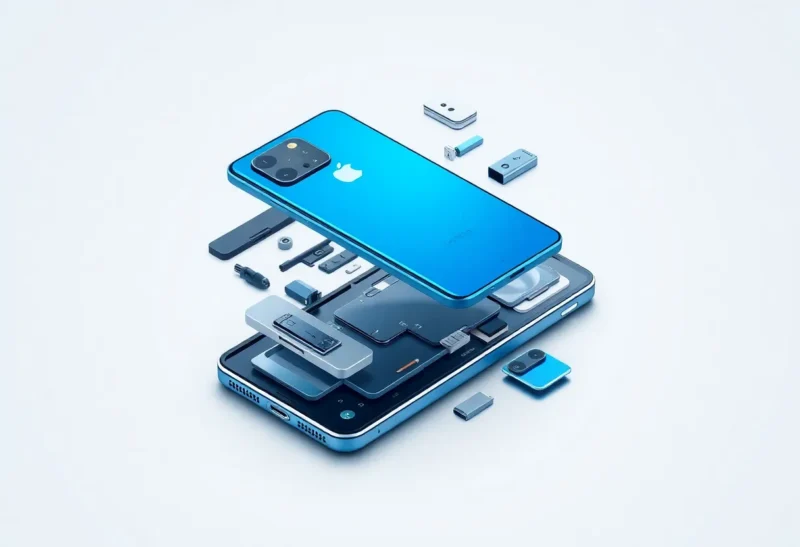
Remember Project Ara? Google’s dream of a smartphone you could snap together like Lego—swap the camera for a better one, upgrade the battery without buying a new phone, replace a cracked screen in your kitchen. It died in 2016. Fairphone and Motorola’s Moto Mods tried to carry the torch. LG’s friends-at-launch approach fizzled. The modular smartphone, as a mainstream product category, never really arrived. And yet here we are in 2026, with right-to-repair laws rolling across Europe and the US, replaceable batteries coming back to flagship phones, and a growing appetite for devices we can actually fix. So what went wrong, and what might finally change?
Why Modular Phones Flopped the First Time
Modularity sounds great on paper. In practice, it ran into a wall of physics, economics, and human behavior. The core problem wasn’t the idea—it was that modularity demanded trade-offs nobody was willing to make at the price point consumers expected.
First, connectors. Every swappable module needs an electrical interface. USB-C works for ports; inside a phone, you need something smaller, denser, and capable of carrying power and data at high speeds. Those connectors add thickness, cost, and failure points. A monolithic phone can be thinner because every trace is soldered. A modular phone needs slack for alignment tolerances, locking mechanisms, and repeated plug-unplug cycles. That extra millimeter or two mattered when phones were racing toward 5mm profiles.
Second, performance. The fastest internal buses—PCIe, LPDDR—assume short, direct connections. Modular interfaces introduce latency and bandwidth limits. For a camera module or a battery, that’s often fine. For a SoC or memory upgrade, it’s a bottleneck. You can’t hot-swap the brain of your phone the way you swap a GPU in a desktop—the software and hardware are too tightly coupled.
Third, economics. Manufacturers make money on replacement cycles. A modular phone that lasts five years is great for you; it’s terrible for their quarterly projections. And the logistics of designing, stocking, and supporting dozens of modules across regions and years is a nightmare. Fairphone survives because it operates in a different lane—sustainability-first, lower volume, premium pricing. For Samsung or Apple, that math never penciled out.
What Right-to-Repair Changed
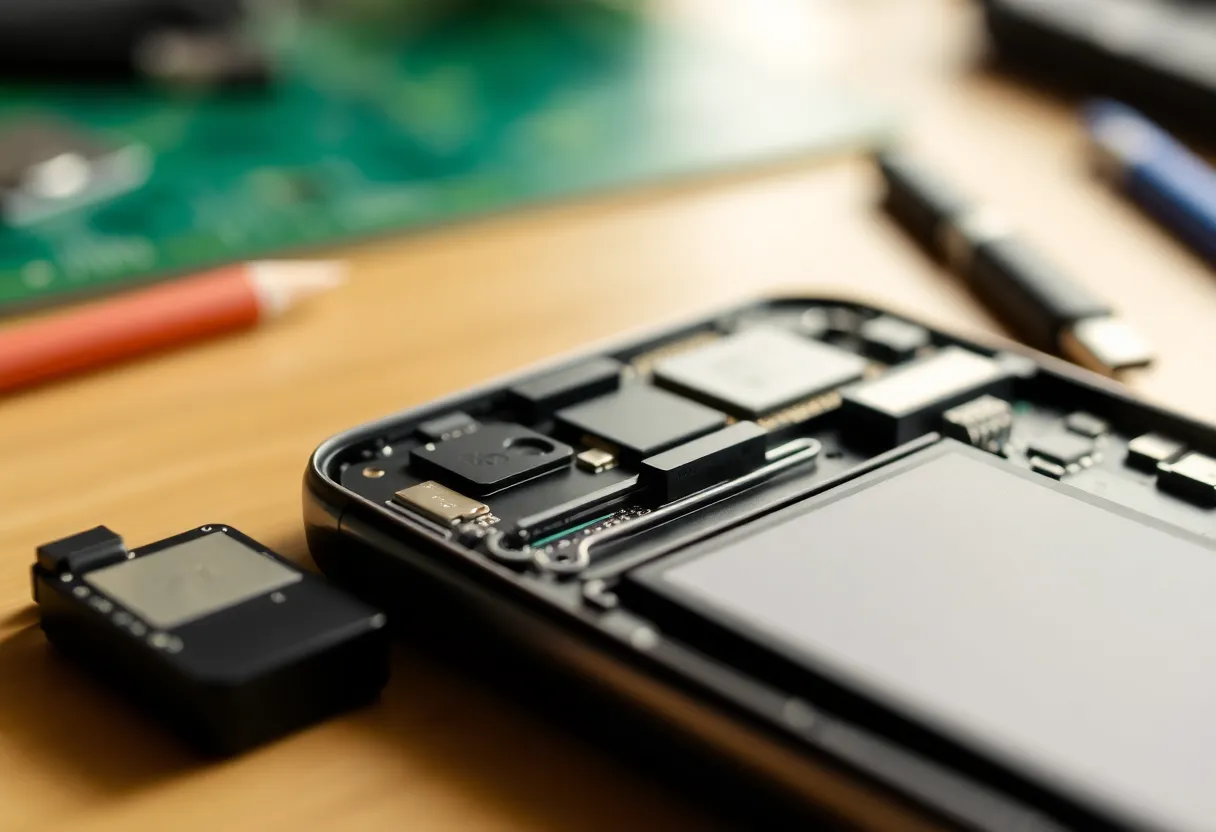
The regulatory landscape has shifted. The EU’s right-to-repair rules require replaceable batteries in new phones by 2027. Some manufacturers are getting ahead of the deadline. Screens and batteries are increasingly accessible with standard tools. That doesn’t make a phone modular, but it normalizes the idea that you can open the device and swap a part without sending it to a certified depot.
Repairability is creeping back into design. iFixit teardowns now routinely score newer phones higher than their predecessors. Manufacturers are publishing repair manuals and selling genuine parts. The ecosystem of third-party repair shops is growing. All of this creates a culture where “modular” no longer means “weird experiment”—it means “I can fix this when it breaks.”
The next step isn’t necessarily full Ara-style modularity. It’s incremental: batteries you can remove, screens you can replace, cameras that plug into a standard socket. We’re seeing hints of it. Samsung’s recent flagships have more repairable designs. Fairphone 5 pushed the envelope further with swappable modules for the camera and connectivity. The market is fragmenting between “sealed slab” and “fixable device” in a way it didn’t a decade ago.
The 2026 Window: What Could Actually Change
Three forces could tip the balance. First, regulation. As right-to-repair broadens, manufacturers face design mandates they can’t easily bypass. Replaceable batteries are the obvious first step; standardized component interfaces could follow. The EU has shown it’s willing to push hardware design when it aligns with sustainability goals.
Second, consumer demand. The backlash against planned obsolescence is louder. People are holding onto phones longer. When they do upgrade, repairability and longevity are factors. Brands that lean into that—Fairphone, framework-style approaches—are carving out a niche. If that niche grows, bigger players will follow.

Third, technology. Connectors have improved. USB-C and its future variants can carry more power and data. Wireless charging and data transfer reduce the need for physical contacts in some modules. Software-defined radios and modular antenna designs are maturing. The engineering cost of “good enough” modularity is lower than it was in 2016.
None of this guarantees a modular renaissance. The industry has strong incentives to keep phones sealed. But the conditions that killed Project Ara—thinness obsession, no regulatory pressure, no consumer expectation of repairability—are eroding. We might not get a phone with a swappable SoC. We might get one where the camera, battery, and display are genuinely upgradeable. For most people, that would be enough.
The Bottom Line
Modular smartphones failed because the market wasn’t ready and the technology wasn’t mature enough to deliver modularity without punishing trade-offs. In 2026, regulation, demand, and better engineering are aligning. We’re not there yet. But the path from “impossible” to “niche” to “mainstream” often runs through exactly this kind of slow pressure. Keep an eye on Fairphone, on EU rules, and on how the next wave of flagships handle batteries and screens. The modular dream isn’t dead—it’s just waiting for the right moment to come back in a form that actually works.