Why Your Robot Vacuum Maps Your Home Better Than You Think

Drew Morrison
March 1, 2026
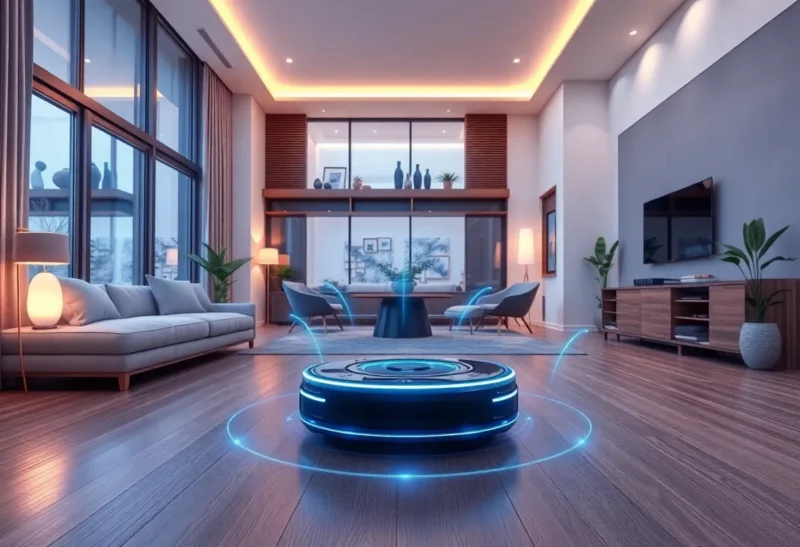
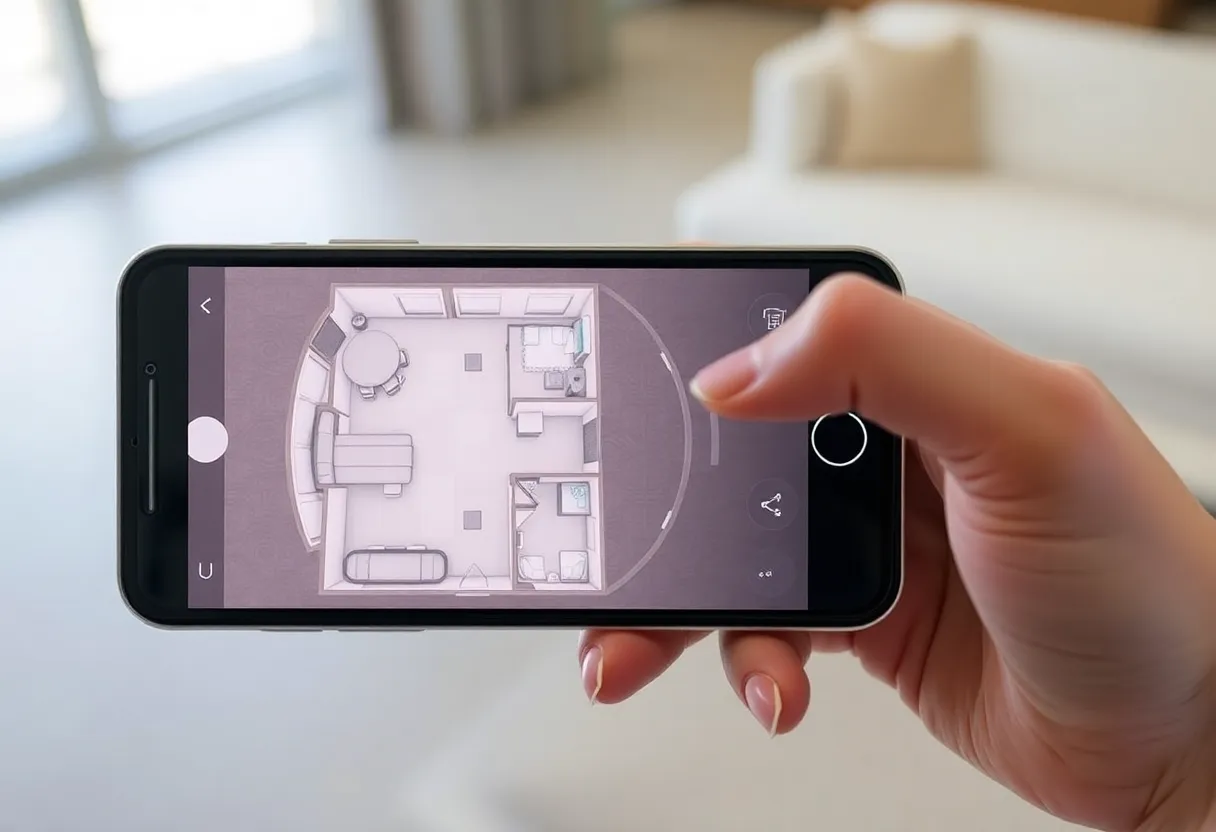
Your robot vacuum doesn’t just bump around blindly. It builds a map of your home—every wall, every chair leg, every corner it’s learned to avoid. That map lives on a server somewhere. It knows where your bedroom is. It knows the layout of your kitchen. It has a better spatial model of your living space than you do. And most people never think about it until they’re setting up room boundaries in an app and realize: this thing has been quietly mapping my life. Here’s what’s actually going on under the hood, why it matters, and what you should do about it.
How Robot Vacuums Actually Map Your Home
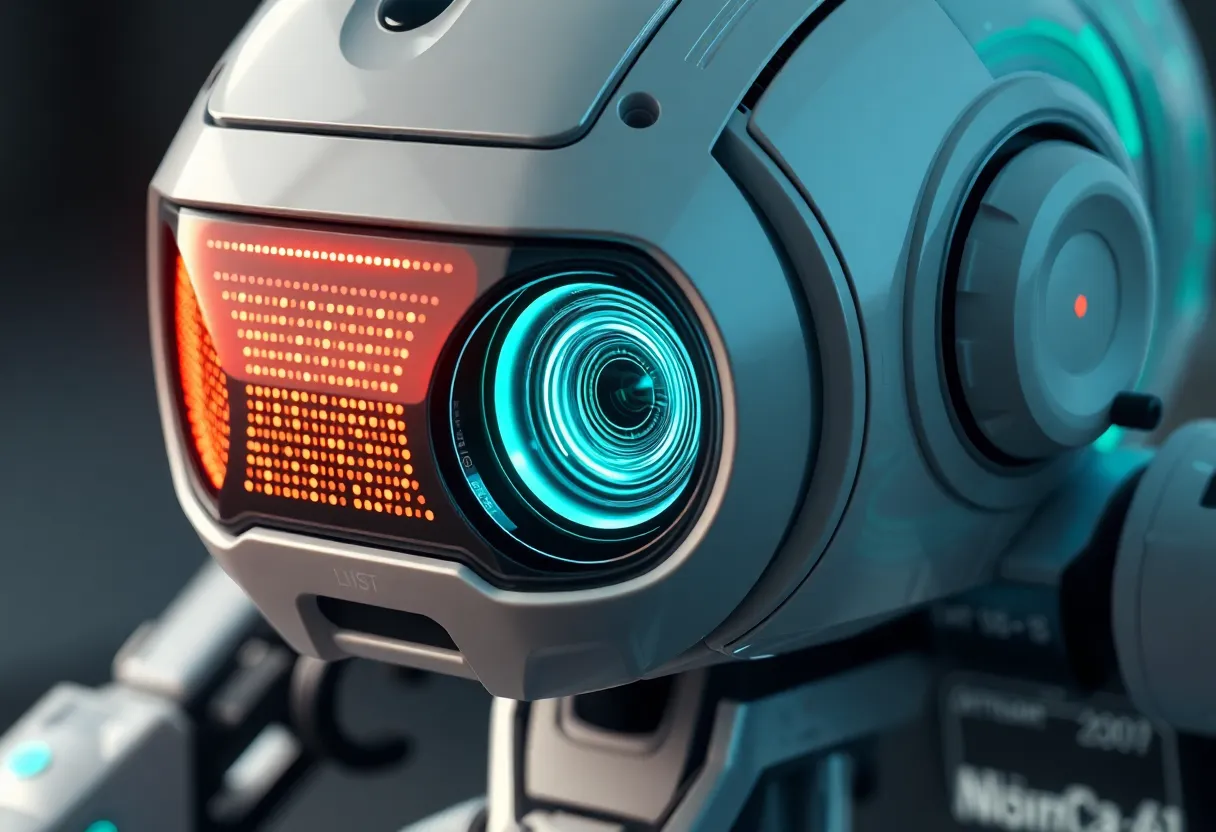
Modern robot vacuums use one of two main approaches: lidar (light detection and ranging) or camera-based vision. Lidar units spin a laser beam around, measuring how long it takes light to bounce back from walls and furniture. That data gets fed into a SLAM algorithm—simultaneous localization and mapping—which builds a 2D floor plan as the robot moves. Camera-based bots do something similar, using visual features and optical flow to triangulate their position. Either way, the result is a detailed spatial model: room dimensions, furniture placement, obstacles, and efficient paths between them.
The map isn’t just for navigation. It enables no-go zones, room-by-room cleaning schedules, and virtual boundaries you draw in the app. It lets the vacuum remember where it left off after a low-battery return to the dock. It lets manufacturers improve their algorithms by analyzing anonymized map data. And yes—it gets sent to the cloud. Your floor plan, your room names, your cleaning history: all of it flows through the manufacturer’s servers. That’s how the app works when you’re not at home. That’s also how the data could, in theory, be accessed, leaked, or repurposed.
Why the Map Is More Detailed Than You Expect
Lidar sensors on consumer robot vacuums typically capture thousands of points per second. Over the course of a full cleaning cycle, that adds up to a dense point cloud of your home. Walls, doors, tables, sofas, plant pots—all of it gets recorded. The robot knows which rooms connect, where the narrowest passages are, and which areas have the most obstacles. It can infer room function from patterns: kitchens often have more open floor space; bedrooms have beds. That level of detail is useful for cleaning efficiency. It’s also a goldmine for anyone interested in understanding how people live.
Manufacturers say the data is anonymized and used only to improve products. Privacy policies vary. Some brands store maps on-device or in local hubs; others send everything to the cloud by default. The point isn’t to spread panic—it’s to recognize that when you tap “allow” on that app permission, you’re not just enabling remote control. You’re enabling a persistent, detailed record of your home’s layout. Most people don’t think about that. They should.
What the Map Enables—And What It Risks
On the positive side, good maps make robot vacuums genuinely useful. They clean faster, avoid getting stuck, and let you target specific rooms. They integrate with smart home systems: “Hey Google, vacuum the kitchen.” They can return to the dock and resume exactly where they left off. None of that works without a reliable spatial model. The map is the product.
On the risk side: that map is a blueprint of your private space. In the wrong hands, it could inform a burglary—which rooms have the most valuable items, where cameras might be, how to move through the house. A data breach could expose thousands of floor plans. And even without malice, the mere fact that a third party holds a detailed model of your home raises questions about consent and control. You bought a vacuum. You didn’t explicitly sign up for a home-mapping service. But that’s what you got.
What You Can Do About It
First, check where your vacuum stores its map. Some models offer a “local only” or “no cloud” mode that keeps mapping data on-device or in a local hub. That limits remote features but reduces what gets sent upstream. Second, read the privacy policy. Not every brand is equally transparent about data retention, sharing, and deletion. Third, consider whether you need cloud features at all. If you’re fine controlling the vacuum from home and don’t need remote scheduling, disabling cloud sync is the safest option.
Fourth, be selective about room names. Naming a zone “Master Bedroom” or “Office Safe” adds context to the map that could make it more sensitive if leaked. Generic labels like “Room 1” are less informative. Fifth, if you’re serious about privacy, look for vacuums that support local-only operation or open-source firmware. The market is small, but it exists.
The Bottom Line
Your robot vacuum maps your home better than you think—and that map is more valuable, and more sensitive, than most people realize. The technology is impressive. The convenience is real. But the data flows matter. Before you tap “allow” on the next app update, take a moment to understand what you’re sharing. Your floor plan is your business. Make sure it stays that way.