Why Game Preservation Is Harder Now Than When Cartridges Were the Only Format

Jake Merritt
July 7, 2026
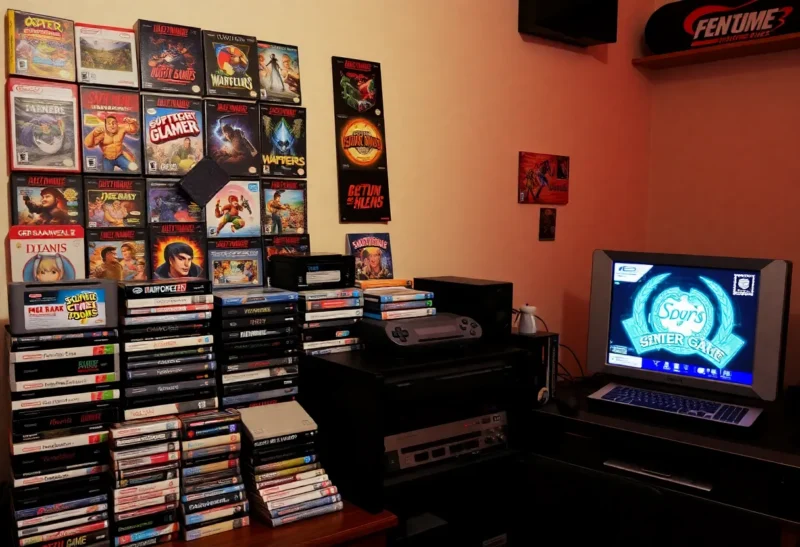
There’s a version of game preservation history that sounds almost quaint from where we’re standing. You had a cartridge. The cartridge contained the game. To preserve the game, you preserved the cartridge — or created a ROM dump, which was a digital copy of the cartridge’s content that could be run on an emulator. A Super Nintendo game from 1994 that wasn’t played for thirty years could be picked up, dumped to a file, and run on modern hardware today. The data was self-contained. The game was the physical object.
That model — game as physical artifact with preservable, transferable data — no longer describes most of what gets released. The last twenty years of game development have created a landscape where the barriers to preserving a game have multiplied in ways that physical media never presented. Not just technically, but legally, economically, and architecturally. The video game medium is at genuine risk of having large portions of its history disappear — not gradually through physical decay, but rapidly through server shutdowns, licensing expirations, and DRM schemes designed to prevent exactly the kind of copying that preservation requires.
The DRM Layer That Wasn’t There Before
Physical game media from the cartridge and early disc era had, at most, basic copy protection. The data on a Super Nintendo cartridge could be read and copied freely. The data on a PlayStation 1 disc required some effort to extract cleanly, but once extracted, it was just data. The game could be preserved in full fidelity by anyone with the hardware to dump it.
Modern games are typically tied to an online authentication system, a store account, or both. Steam games use SteamDRM or Steamworks; you don’t own the game file in a transferable sense — you own a license to access it through Steam. Ubisoft Connect games require the client active; Ubisoft has already deprecated and shut down older games, and they’ve demonstrated that “you own it” does not mean “you can play it indefinitely.” Epic, EA App, Rockstar Launcher, Blizzard Battle.net — every major publisher now has an authentication layer that makes the game data inseparable from the service, by design.
Preservation of a DRM-wrapped game requires either obtaining a DRM-free version (which publishers don’t provide), creating a crack that removes the DRM (which is illegal in most jurisdictions under DMCA and equivalent laws, even for preservation purposes), or operating the authentication servers in perpetuity (which is economically impossible for a preservation archive). The legal framework that governs digital rights management was not designed with preservation in mind, and the exemptions that exist are narrow and contested. The Library of Congress has made some DMCA exemptions available for preservation, but they apply in limited circumstances and don’t cover the full scope of what archivists need to do.

Online-Only and Live Service Games
The live service game model — where the game itself is a persistent online world that requires server infrastructure to function — represents a fundamentally new preservation challenge that has no historical analogue. When a live service game shuts down, it’s not just that you can no longer buy it; it’s that every copy in existence simultaneously becomes unplayable. The game stops existing as a playable artifact the moment the servers go dark.
The examples are already accumulating. Marvel Heroes shut down in 2017, taking all progress and content with it. Destiny 1’s servers are still running because Bungie has maintained them, but the game is no longer sold and the population has dwindled to near nothing; a future shutdown will erase it. Mabinogi was sold to a new publisher after Nexon’s North American closure; it survived by luck and business circumstance. City of Heroes was revived years after shutdown by a private server that had preserved the server software — an act that was technically illegal but that the IP holder eventually chose not to pursue.
The Video Game History Foundation has documented that approximately 87% of classic video games are “critically endangered” — out of print and available only through preservation efforts that exist in legal gray areas. For online-only games, 100% of them will become unplayable when their servers shut down unless active intervention preserves the server software, which requires the IP holder’s cooperation or legal reform.
Some publishers have handled this better than others. Blizzard maintained servers for older versions of WoW through World of Warcraft Classic. Games with private server communities have sometimes survived publisher abandonment because the community preserved enough of the infrastructure. But these are the exceptions, and they depend on goodwill, community resources, or benign neglect rather than systematic preservation frameworks.
The Patching Problem
A cartridge game released in 1991 is the same game now that it was then. The data hasn’t changed. A disc game released in 2008 might have received a “day one patch” that changed significant content before most players ever touched it. A modern game might receive dozens of updates over its commercial life, each changing the game’s content, balance, and behavior. Which version is the “authentic” version to preserve?
This is not a rhetorical question. Games like Destiny 2 have content vaulted — removed from the game entirely through updates — that was played by millions of people and is now inaccessible. The game that exists on your hard drive today is not the game that existed in 2019. The “original” story missions from Destiny 2’s launch are simply gone, deleted from the servers and from any future version of the game. No amount of downloading or reinstalling can retrieve them.
The Internet Archive and other preservation institutions attempt to capture specific game states through disc images and ROM dumps, but capturing the state of a live service game at a specific moment requires infrastructure and access that preservation organizations don’t have. The game publishers are the only entities with the server-side software that would allow recreation of a specific game state, and they have no legal obligation and limited economic incentive to preserve it.
What Preservation Organizations Are Actually Doing
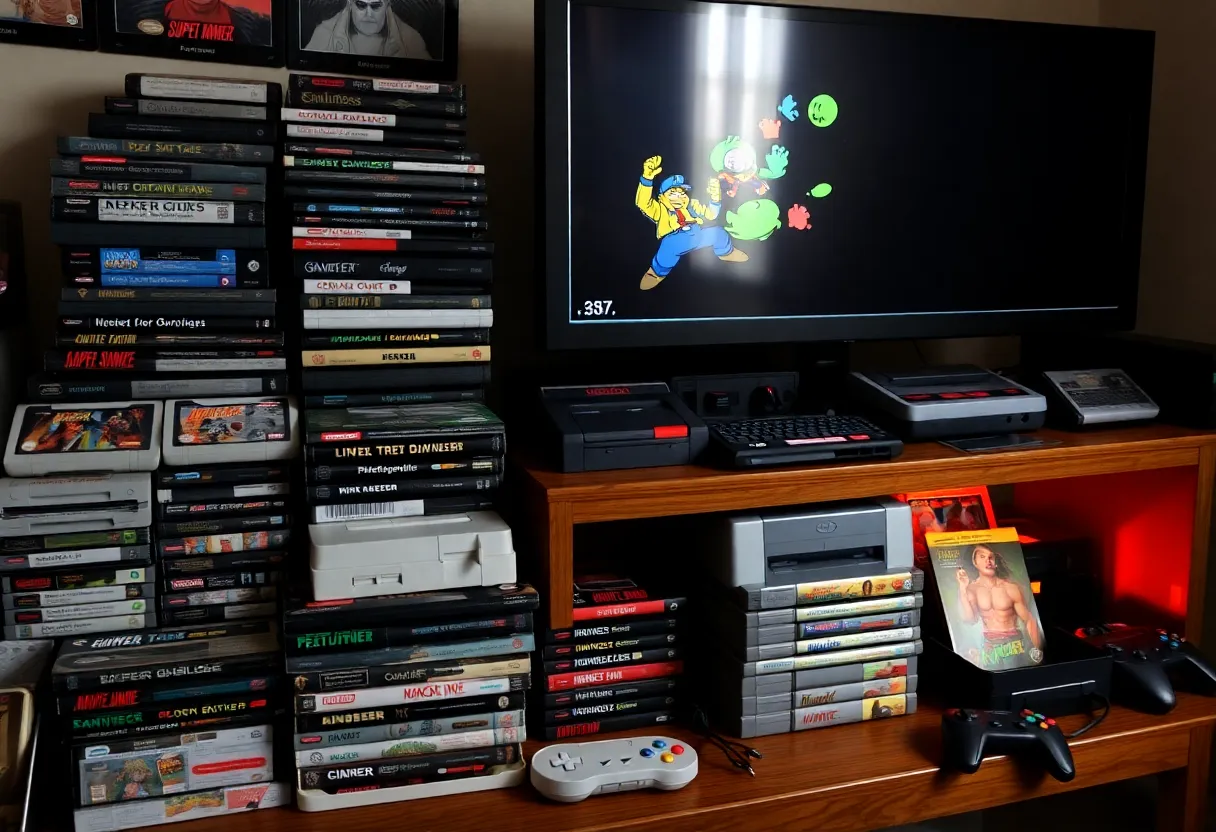
The Video Game History Foundation, Strong National Museum of Play, and individual archivists are doing important work within the legal and practical constraints that exist. Physically, the focus is on disc preservation — maintaining working hardware, digitizing disc images before discs degrade, and cataloguing what exists in private collections. The Foundation has documented significant percentages of classic game catalogs that exist in no institutional collection anywhere, meaning the only copies in existence are in private hands.
Emulation development continues to advance significantly. Projects like RPCS3 (PS3 emulator), PCSX2 (PS2), and Xenia (Xbox 360) have made substantial progress on preserving hardware-era games through software emulation. These projects exist in a legal gray area — they’re not infringing, but the ROMs needed to run games on them may be — but they represent the technical infrastructure for running preserved game data on modern hardware.
The campaign for software preservation reform is making some legislative progress. The FTC and copyright office have considered expanded exemptions for game preservation. The EU has been more receptive to preservation arguments in digital rights discussions. But the pace of legal reform is slow relative to the pace of server shutdowns and DRM deployment.
The Business Model Conflict
Game publishers are not preservation organizations and have no obligation to act like them. The business model pressure runs in the opposite direction from preservation in almost every dimension: DRM is revenue protection, not an obstacle to preservation that could be easily removed. Live service games are designed to be current, not historical. Licensing content from music, film, and sports properties creates costs and legal obligations that make maintaining older games commercially unviable. Even a publisher with genuine goodwill toward preservation faces real costs in maintaining old title access and real reasons to sunset it.
The GOG.com model — selling DRM-free games with a focus on preservation-friendly licensing — represents one commercial approach that’s compatible with preservation. GOG has brought hundreds of older titles into legal circulation with preservation-friendly downloads. But it requires rights holder cooperation and economic viability, which many older titles lack, and it doesn’t address the online-only and live service categories at all.
The honest position is that significant portions of gaming history from the last fifteen to twenty years will be inaccessible to future players, historians, and researchers unless either legal frameworks change substantially or the industry develops voluntary preservation commitments that don’t currently exist. The cartridge era produced games that still play today with basic tools and effort. The live service era has produced games that are already gone. That’s not a natural outcome of the medium — it’s the direct result of how digital distribution and DRM were designed, and it could be designed differently if the stakeholders prioritized preservation the way the film and music industries have, however imperfectly, been pushed toward over time.