Why Commercial Diving Decompression Tables Still Rely on Decades-Old Data

Callan Reeve
July 9, 2026
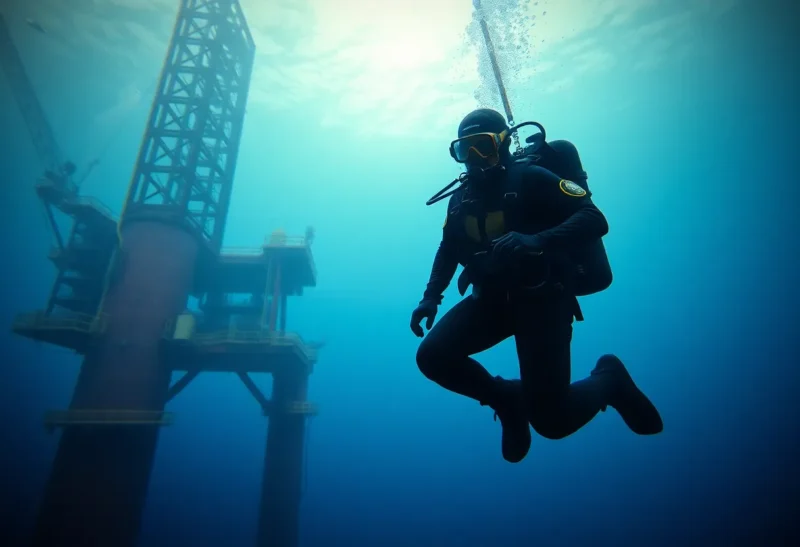
Decompression sickness — the dangerous condition where dissolved nitrogen or helium in a diver’s tissues forms bubbles during ascent if pressure decreases too quickly — has been a well-understood risk in diving physiology for over a century, and the decompression tables and algorithms divers use to plan safe ascent schedules trace their core mathematical foundations back to research conducted primarily in the mid-20th century, with some of the most widely used commercial diving tables still substantially built on modeling work from the 1960s and 1970s. Understanding why this foundational research has proven so durable, even as diving technology and medical understanding have both advanced considerably since, says a lot about the specific nature of the underlying problem these tables are trying to solve.
What Decompression Tables Are Actually Modeling
Decompression tables and the underlying mathematical models that generate them attempt to predict how dissolved inert gas (nitrogen in standard air diving, helium in deeper technical and commercial diving using mixed breathing gases) accumulates in different body tissue compartments during a dive, and how quickly that gas needs to be allowed to off-gas during ascent to avoid forming dangerous bubbles, based on dive depth, dive duration, and the specific gas mixture being breathed.
The foundational modeling approach most decompression tables still use — treating the body as a set of theoretical tissue “compartments” with different gas absorption and release rates, first developed by physiologist John Scott Haldane in the early 1900s and substantially refined through subsequent research by figures including Robert Workman and Albert Bühlmann in the mid-20th century — has proven remarkably durable specifically because it captures the core physical and physiological dynamics of gas absorption and elimination reasonably well, even though it’s a simplified mathematical abstraction rather than a complete, literal model of actual human physiology.
Why the Underlying Human Physiology Hasn’t Fundamentally Changed
A large part of why this older research remains foundationally valid is that the basic physiological mechanism decompression tables are modeling — gas dissolving into and diffusing out of body tissues according to pressure gradients — is governed by well-established physics and physiology that hasn’t changed and doesn’t need to be re-derived from scratch as measurement technology improves.
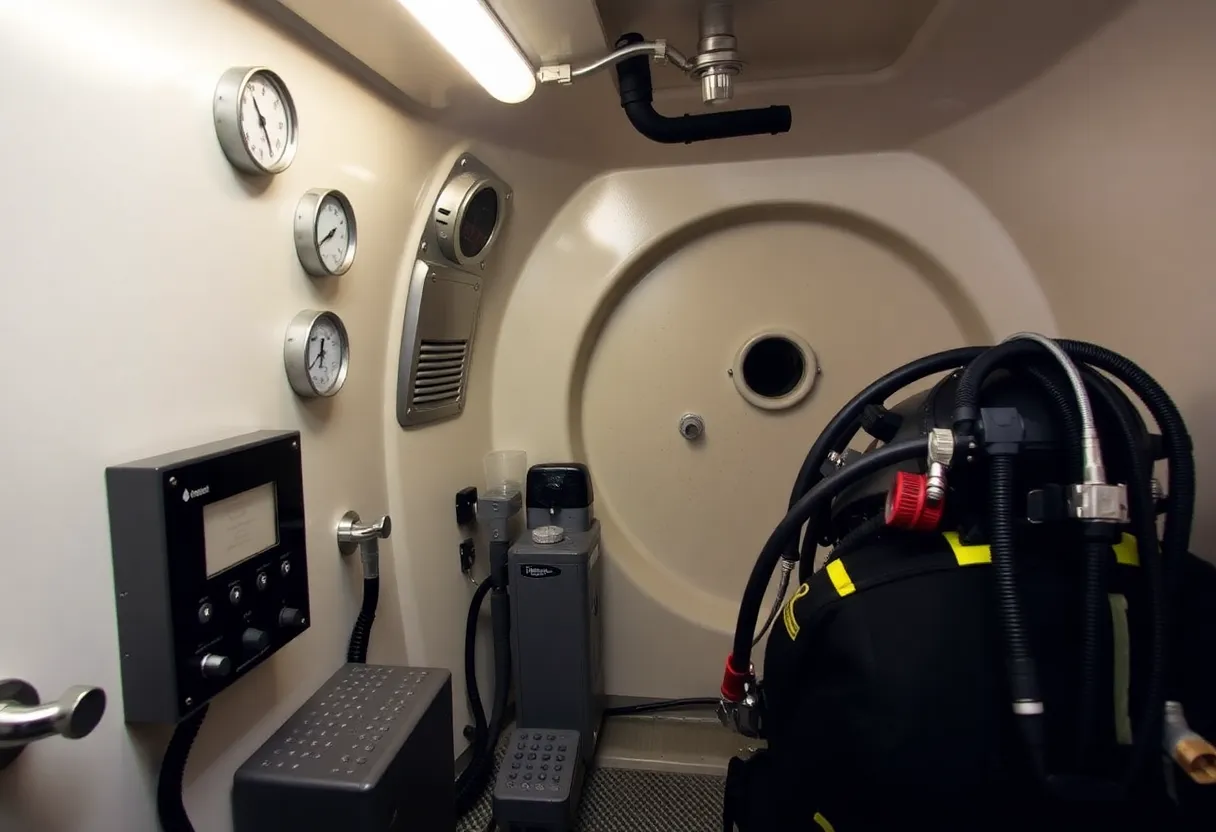
This is meaningfully different from many other fields where older research gets superseded because it was working with a genuinely incomplete or incorrect understanding of the underlying phenomenon. Decompression physiology’s core mechanism was reasonably well understood even by mid-20th century researchers, and subsequent refinement has focused more on improving the precision and safety margins of the mathematical modeling and on extending it to new gas mixtures and diving profiles, rather than on discovering that the foundational physiological understanding itself was substantially wrong.
Where Real Refinement Has Actually Happened
This doesn’t mean decompression modeling has stood still — it’s undergone substantial refinement in several specific areas that matter enormously for practical diving safety, even while building on the same core theoretical framework rather than replacing it entirely. Bühlmann’s ZH-L16 algorithm and its subsequent variants, developed and refined through the 1980s and used as the basis for many modern dive computers, incorporated more tissue compartments and more precisely calibrated absorption and elimination rates than earlier tables, improving predictive accuracy specifically for the kind of multi-level, repetitive diving profiles that recreational and technical divers actually perform, which older tables designed primarily for simpler single-depth dive profiles handled less precisely.
Modern dive computers have also enabled real-time, continuously updated decompression calculation based on a diver’s actual depth and time profile throughout a dive, rather than requiring divers to plan conservatively around fixed table entries for anticipated worst-case profiles — a genuinely significant practical improvement in both safety margin precision and dive planning flexibility, even though the underlying mathematical model driving those real-time calculations still traces back to the same foundational tissue-compartment theoretical approach developed decades earlier.
Why Full Empirical Validation Remains Genuinely Difficult
A significant part of why decompression research hasn’t simply been redone from scratch with modern methods is that rigorously validating decompression models empirically is genuinely difficult and carries real ethical constraints, since directly testing decompression limits requires actually exposing human subjects to controlled decompression sickness risk to gather definitive data on exactly where safe limits lie, research that’s tightly regulated and ethically constrained for obvious safety reasons.
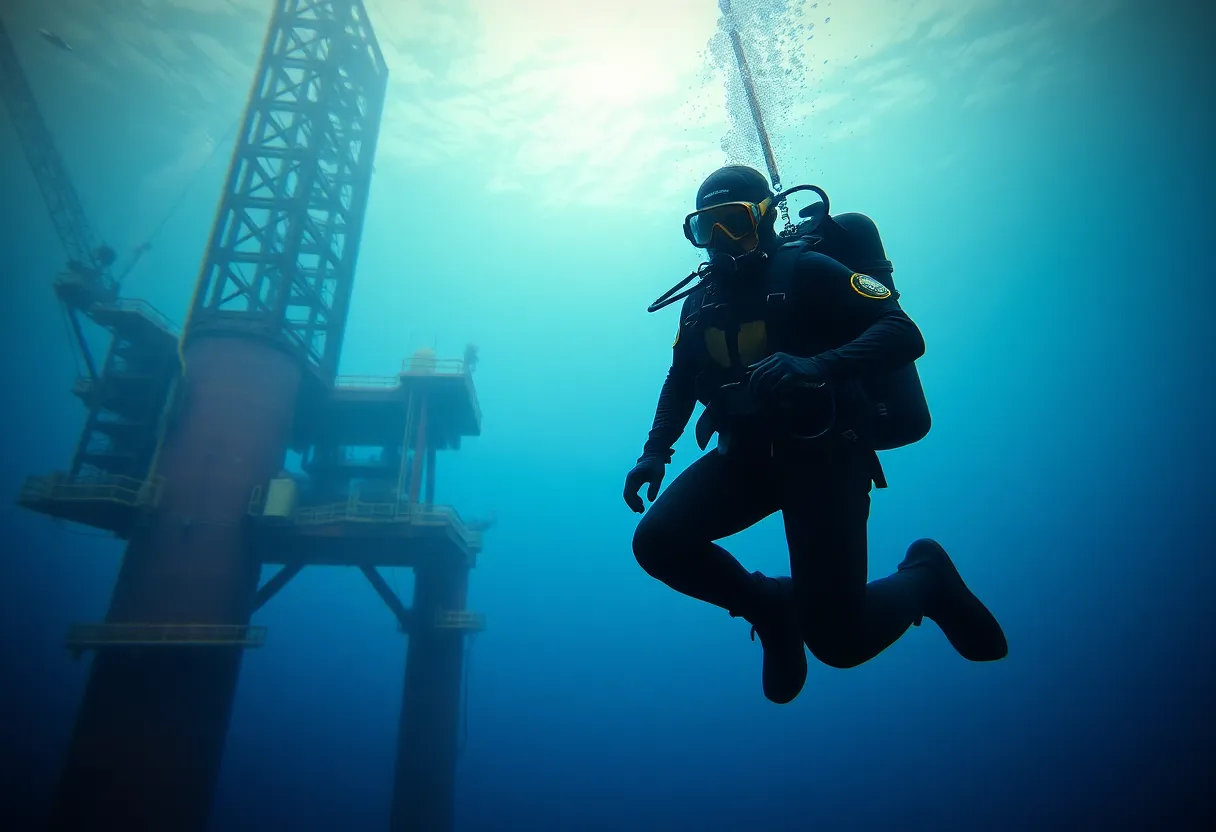
This constraint means decompression model validation and refinement relies heavily on large-scale observational data from actual diving operations (commercial, military, and recreational diving incident and outcome tracking), combined with more limited, carefully controlled experimental chamber testing, rather than the kind of large-scale, rapidly iterated experimental testing that drives faster model refinement in fields with fewer direct human safety constraints on the underlying research process.
Why Commercial Diving Specifically Still Leans on Older, More Conservative Tables
Commercial diving operations — which involve occupational divers performing underwater construction, inspection, and maintenance work, often at greater depths and with more demanding work profiles than typical recreational diving — have generally been more conservative in adopting newer decompression modeling approaches compared to the recreational and technical diving communities, partly due to the more stringent occupational safety regulatory oversight commercial diving operates under, and partly because commercial diving’s cost and liability structure creates strong institutional incentive to stick with thoroughly proven, extensively field-validated table systems rather than adopting newer models before they’ve accumulated an equally extensive real-world safety track record.
This conservative institutional posture is why commercial diving decompression procedures, particularly for the specialized mixed-gas diving used in deeper offshore oil and gas industry work, often still reference table systems and modeling approaches with direct lineage back to mid-20th-century research, not because the field has failed to incorporate decades of subsequent refinement, but because the specific combination of well-validated safety performance and regulatory continuity that older table systems offer carries real, defensible operational value in an industry where a decompression modeling error carries severe, immediate safety consequences for occupational divers.