When Mechanical Keyboards Are Worth the Money (And When They’re Not)

Owen Finch
March 1, 2026
Mechanical keyboards have become a cult. Custom builds, artisan keycaps, switches that cost more than some laptops. For some people, the upgrade is transformative. For others, it’s an expensive hobby that doesn’t move the needle. Here’s when mechanical keyboards are worth the money—and when they’re not.
What You’re Actually Paying For
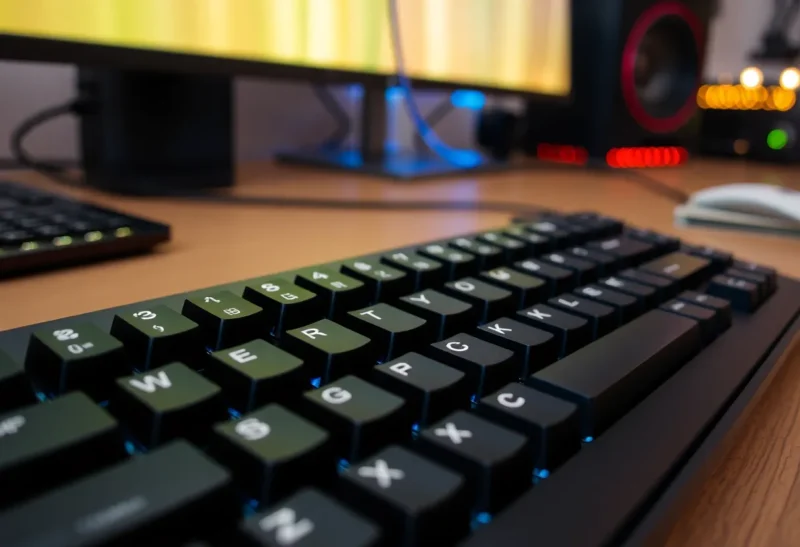
Mechanical keyboards use individual mechanical switches under each key, unlike membrane keyboards where a rubber dome registers keystrokes. The difference is tangible: mechanical switches offer clearer tactile feedback, a distinct sound, and typically longer lifespan. They’re also more customisable—you can swap switches, keycaps, and layouts.
The price range is wide. A basic mechanical board costs around £50–80. Mid-tier options run £100–200. Enthusiast builds—custom boards, premium switches, designer keycaps—easily hit £300–500 or more. The question isn’t whether mechanical keyboards are “better” in some abstract sense. It’s whether the upgrade justifies the cost for you.

When They’re Worth It
You type all day. If you write code, write prose, or work in a role where you’re on a keyboard for hours, the improvement in feel and feedback can reduce fatigue. A good mechanical keyboard can make long typing sessions less taxing. That’s not placebo—clearer actuation points and less mush mean less finger strain for many people.
You care about ergonomics. Mechanical boards come in more layouts: tenkeyless, 65%, 60%, split, ortholinear. If a standard keyboard doesn’t fit your hands or workflow, mechanical options give you choices. You can find boards that reduce wrist strain or fit a smaller desk.
You want longevity. Mechanical switches are rated for tens of millions of keystrokes. A well-built board can last a decade or more. If you’re tired of replacing cheap membrane keyboards every couple of years, a mechanical board can pay for itself over time.
You enjoy the hobby. Custom builds, keycap sets, and switch modding are legitimately fun for some people. If you derive satisfaction from the process—building, tweaking, collecting—then the money is buying a hobby, not just a tool. That’s valid.
You value customisation. Mechanical boards let you swap switches, keycaps, and layouts. Want a quieter board? Swap the switches. Want a different look? New keycaps. Want a smaller footprint? Go tenkeyless or 65%. Membrane boards lock you into a single configuration. Mechanical gives you options.

When They’re Not Worth It
You type occasionally. If you use a keyboard for a few emails and maybe some light browsing, a £200 mechanical board won’t transform your experience. The gains are marginal when you’re not typing for hours.
You share a space. Mechanical keyboards are loud. Even “quiet” switches are louder than most membrane boards. If you work in an open office, a coffee shop, or a shared home office, your colleagues may not appreciate the clatter. Consider your environment before upgrading.
You’re on a tight budget. A £50–80 mechanical board can be a good upgrade from a £20 membrane. But if money is tight, a decent membrane keyboard or a cheap mechanical will get the job done. Don’t stretch your budget for enthusiast-grade gear unless it’s a priority.
You expect a productivity miracle. A better keyboard won’t make you type faster or write better. It might make typing more comfortable, but it won’t replace practice or skill. Manage your expectations.
The Law of Diminishing Returns
The biggest jump in quality comes when you move from a cheap membrane to an entry-level mechanical. Beyond that, returns diminish. A £150 board isn’t twice as good as a £75 one. A £400 custom build isn’t four times better. You’re paying for marginal gains: nicer keycaps, rarer switches, aesthetic choices.
If you’re new to mechanical keyboards, start with something in the £60–100 range. See if the switch type (linear, tactile, clicky) suits you. If you love it and want to go deeper, then consider upgrading. Don’t jump straight to a custom build unless you know what you want.
Switch Types Matter
Linear switches (like Cherry MX Red) are smooth with no tactile bump—good for gaming. Tactile switches (like MX Brown) have a bump at actuation—good for typing. Clicky switches (like MX Blue) add an audible click—satisfying but loud. Try before you buy if you can. Switch preference is personal.
The Verdict
Mechanical keyboards are worth the money if you type a lot, care about ergonomics, want longevity, or enjoy the hobby. They’re not worth it if you type occasionally, share a space, are on a tight budget, or expect magic.
Start modest. An entry-level mechanical board will tell you whether the upgrade matters to you. If it clicks—literally or figuratively—you can always go deeper. And if a membrane board works fine for you, that’s fine too. The best keyboard is the one that fits your needs and your wallet.