What’s Actually Slowing Down Passkey Adoption in 2026

Sasha Reid
March 7, 2026
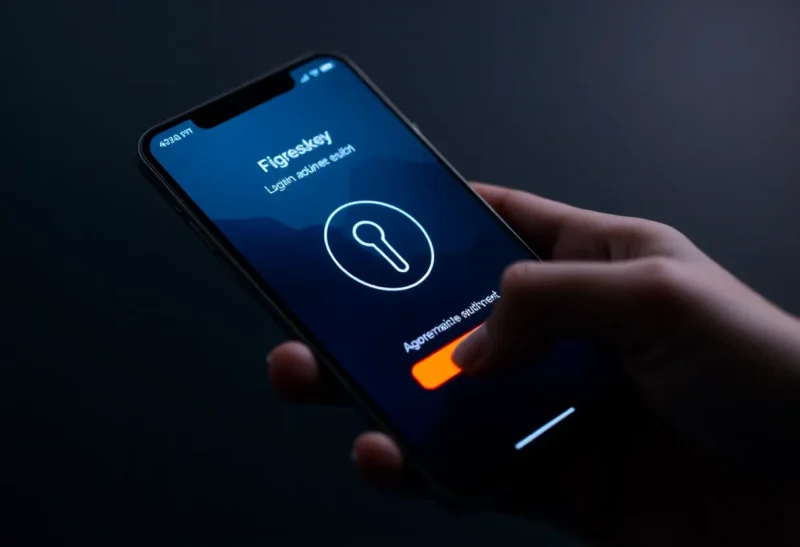
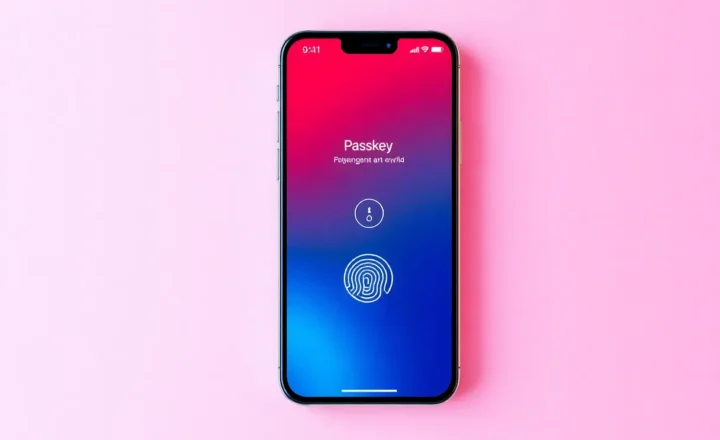
Passkeys are supposed to replace passwords: sign in with a fingerprint, face, or device PIN; no phishable secrets; better security and often better UX. Apple, Google, and Microsoft have rolled them out; major sites support them. Yet in 2026, most people still log in with passwords. Passkey adoption is growing but slow. What’s actually getting in the way?
Fragmented Support and Invisible Options
Not every site and app supports passkeys yet. Big tech and a growing number of consumer services do; many enterprises, banks, and smaller sites don’t. So users who try passkeys on one service hit a password form on the next. The experience is inconsistent—”sometimes I use my face, sometimes I type a password”—and that inconsistency makes passkeys feel optional or experimental rather than the default. Until passkey support is widespread, users don’t get into the habit, and sites don’t feel pressure to add it.
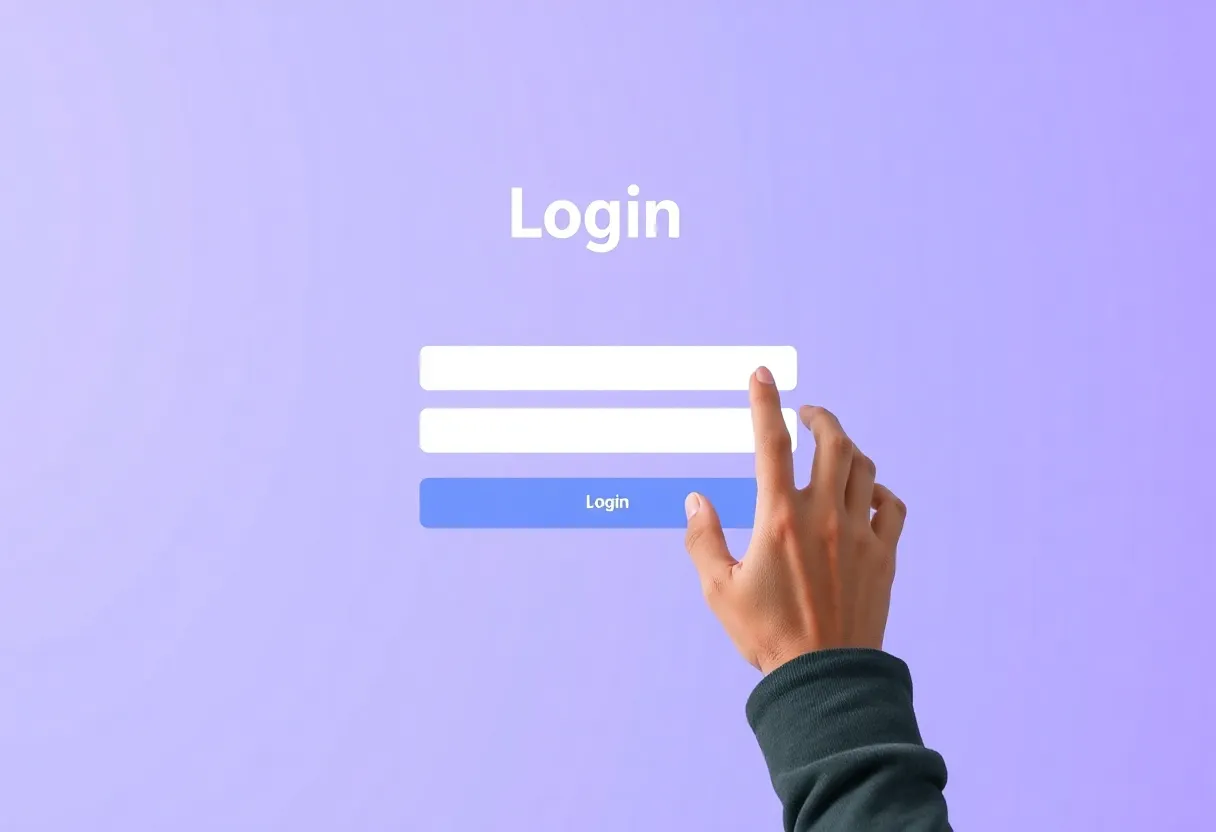
When passkeys are supported, they’re often buried. The login page still highlights “Email” and “Password”; “Sign in with passkey” is a small link or a second step. Users who don’t know what a passkey is skip it. Better onboarding—prompting users to create a passkey after a successful password login, or making passkey the first option—would help, but many product teams haven’t prioritized it. So support exists but isn’t discoverable.
Cross-Device and Sync Confusion
Passkeys are tied to a device or a sync ecosystem (e.g. iCloud Keychain, Google Password Manager). If you create a passkey on your phone and later log in on a new laptop, you need a way to use that passkey—often by approving the login on your phone or using a synced passkey. That flow works but isn’t always obvious. People who use multiple ecosystems (e.g. iPhone + Windows PC) can run into “your passkey is on another device” messages and fall back to passwords. The sync story is improving—Google and Apple have made progress—but cross-device and cross-platform UX is still a friction point.
Recovery is another worry. If you lose your phone and your passkeys were only there, can you get back into your accounts? Account recovery mechanisms (e.g. recovery codes, fallback to password) exist but aren’t always clear. Users who don’t understand how recovery works may avoid passkeys for fear of locking themselves out. Sync to the cloud (iCloud, Google) mitigates this—passkeys live in your account and follow you to new devices—but that only helps if you’re in an ecosystem and understand that the passkeys are backed up. The industry has not done a great job explaining that.
Enterprise and Legacy Systems
Enterprises move slowly. Many still rely on legacy identity systems, SSO, and password policies. Integrating passkeys into existing IAM and compliance workflows takes time. Some vendors have added passkey support to enterprise SSO; others haven’t. So even when consumers could use passkeys, the companies they work for may not support them for work accounts. Until enterprises adopt passkeys for internal and customer-facing apps, a large chunk of logins will stay password-based.
Habit and Inertia
Passwords work—badly, but they work. People are used to them. Changing behavior requires a clear benefit and a low-friction path. If the first time a user sees “Sign in with passkey” they don’t know what it is and the fallback is “use password,” they’ll use the password. Education and defaulting to passkey creation after a successful password login would help; so would reducing the number of places that still require passwords. Until the industry pushes passkeys to the front and makes passwords the fallback, inertia will keep adoption gradual.
The Bottom Line
Passkey adoption in 2026 is slowed by fragmented support, discoverability, cross-device UX, enterprise lag, and plain inertia. The technology is ready; the rollout and product decisions aren’t yet. As more sites enable passkeys and make them the primary option, adoption will accelerate—but we’re not there yet. For now, enabling passkeys where you can and choosing them when they’re offered still moves the needle; the rest is a matter of time and product prioritization.