What Watching Your Own Metrics Actually Does to Your Performance

Connor Ashford
July 7, 2026
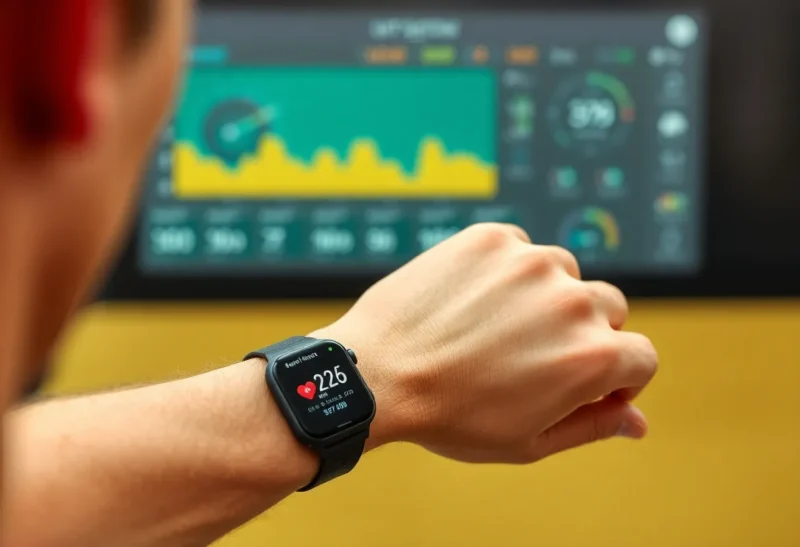
The quantified self movement has produced devices and apps that monitor a remarkable range of personal performance data: heart rate zones during exercise, HRV (heart rate variability) as a recovery proxy, sleep stage breakdown, step counts, VO2 max estimates, blood glucose response, keyboard and mouse activity logs, time spent in focus versus distraction, daily word count, commit frequency. The promise is clear: better data produces better decisions and improved performance. The reality is more complicated — and the research on how measurement affects performance reveals mechanisms that work both for and against the person being measured.
The Hawthorne Effect and Measurement-Induced Behavior Change
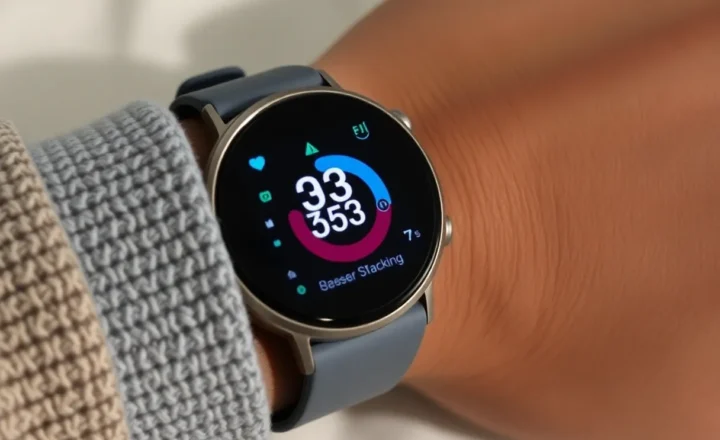
The Hawthorne effect — the observation that people modify their behavior when they know they’re being observed — applies directly to self-monitoring. Wearing a fitness tracker increases physical activity, at least initially, not just because the tracker provides data but because being monitored increases conscious attention to the behavior being measured. This is useful: someone who hasn’t been tracking steps discovers they’re moving far less than they thought, and the measurement itself motivates behavior change without any additional intervention.
The Hawthorne effect is temporary: the behavior change from awareness of measurement tends to diminish as measurement becomes routine and monitoring loses its novelty. A step tracker that motivates 2,000 additional daily steps in the first month may motivate 500 additional steps by month six as the monitoring becomes background rather than active. This is why fitness tracking research consistently shows initial improvements that plateau or partially reverse over time — not because tracking stops working, but because the conscious attention effect diminishes.
Goal Gradient and Goodhart’s Law
When a measure becomes a target, it ceases to be a good measure — Goodhart’s Law, originally stated about macroeconomic policy, applies precisely to personal performance metrics. A writer who starts tracking daily word count and sets a 1,000-word/day goal may find that their word count increases while their writing quality decreases, because the metric rewards output volume without capturing quality. A runner who focuses on weekly mileage may increase mileage and increase injury risk simultaneously, because the metric rewards quantity while ignoring recovery. An engineer whose commits are tracked may break work into smaller, more frequent commits to improve the visible metric without changing actual productivity.
This metric gaming doesn’t require bad intent — it’s a natural consequence of any measurement that creates clear targets. When the metric is visible and the target is clear, behavior naturally optimizes for the metric at the potential expense of the underlying goal the metric was intended to proxy. This dynamic is not a reason to abandon tracking, but it is a reason to be thoughtful about which metrics receive direct goal-setting attention versus which are used as diagnostic signals.
How Real-Time Metrics Affect In-Progress Performance
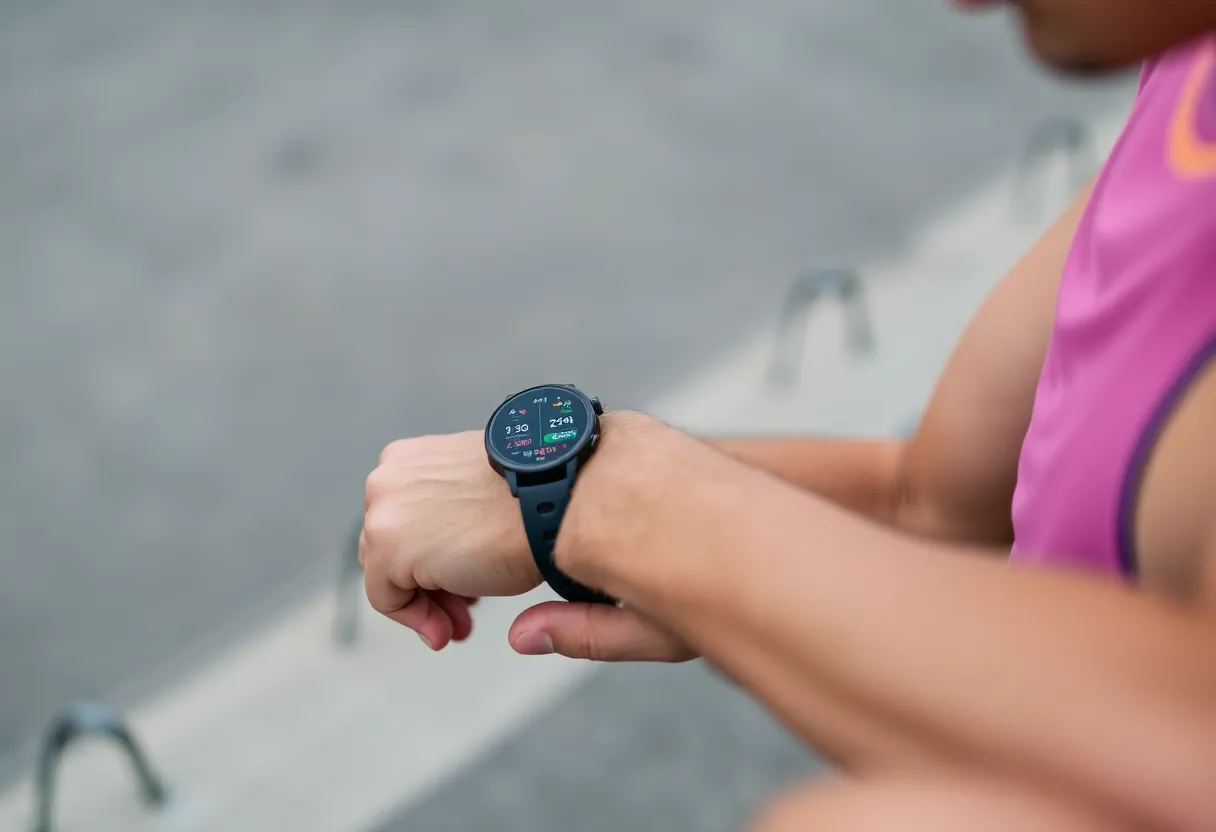
The research on real-time metric feedback during performance is mixed and depends on the person and the metric. For some athletes, real-time pace and heart rate data during running improves pacing accuracy and performance outcomes — the feedback enables better in-race decision-making. For others, particularly those who experience performance anxiety, real-time metrics increase anxiety and reduce performance. Watching your heart rate climb on a smartwatch during an anxiety-inducing meeting or before a presentation can amplify the anxiety through a feedback loop: elevated heart rate → awareness of elevated heart rate → increased anxiety → further elevated heart rate.
Sleep tracking is a domain where real-time metric awareness has particularly well-documented negative effects. A 2019 paper coined the term “orthosomnia” for the clinical pattern of insomnia caused or worsened by excessive focus on sleep tracker data — specifically, people who become anxious about sleep quality data to the point where the anxiety impairs the sleep the tracking is supposed to optimize. The tracking instrument produces the condition it was designed to prevent. Sleep experts now regularly recommend that people with anxiety-driven insomnia stop tracking sleep, because for some individuals the measurement is net-negative for the outcome.
Work productivity metrics — time tracking, focus session tracking, task completion rates — can produce similar patterns. A person with productivity anxiety who starts tracking every hour of their workday may find the measurement increases their anxiety about unproductive periods (visible in the tracking data) to the point where the anxiety itself reduces productivity. The measurement makes the gap between actual and ideal performance more visible, which is useful for some people (motivates change) and damaging for others (increases anxiety without enabling change).

The Useful Metric Framework
The metrics that tend to produce positive outcomes share characteristics: they’re measured retrospectively rather than in real-time (weekly averages rather than moment-to-moment monitoring), they measure behaviors you control rather than outcomes you influence (training load rather than race performance, sleep duration rather than sleep score), they’re used diagnostically to identify patterns rather than as direct performance targets, and they’re paired with enough context to interpret the number meaningfully rather than reacting to each data point in isolation.
Weekly training load (miles run, hours exercised, gym sessions) measured retrospectively informs training planning without creating the in-session anxiety that heart rate or pace monitoring can produce for some athletes. Average sleep duration over two weeks is more meaningful than any single night’s “sleep score” and doesn’t create the night-to-night anxiety that direct sleep scoring produces. Work tracking that shows “I do my best focus work between 9am-12pm and rarely do any after 3pm” is diagnostic information that informs scheduling; work tracking that creates hourly anxiety about whether the current hour counts as “productive” is net-negative.
The most consistent finding across self-monitoring research is that the effect of measurement depends more on how the data is used than on what is measured. The same heart rate monitor that helps one athlete optimize pacing creates anxiety for another. The same productivity tracker that helps one person identify time waste creates guilt spirals in another. Understanding your own relationship with feedback data — whether you’re motivated by seeing numbers improve or anxious when they’re not where you want them — determines whether a given tracking approach is likely to help or harm your performance on the thing you care about.