What the Starlink Dish Actually Does (And Why It Costs So Much)

Halima Okafor
March 7, 2026

The Starlink user terminal—the dish on your roof or in your yard—is not a simple satellite dish. It’s a phased-array antenna that electronically steers its beam to track satellites moving across the sky, without any moving parts. That technology, plus the need to talk to satellites in low Earth orbit (LEO) at high frequencies, is a big part of why the dish costs what it does. Here’s what it’s actually doing and where the money goes.
Phased Array: No Moving Parts, Lots of Electronics
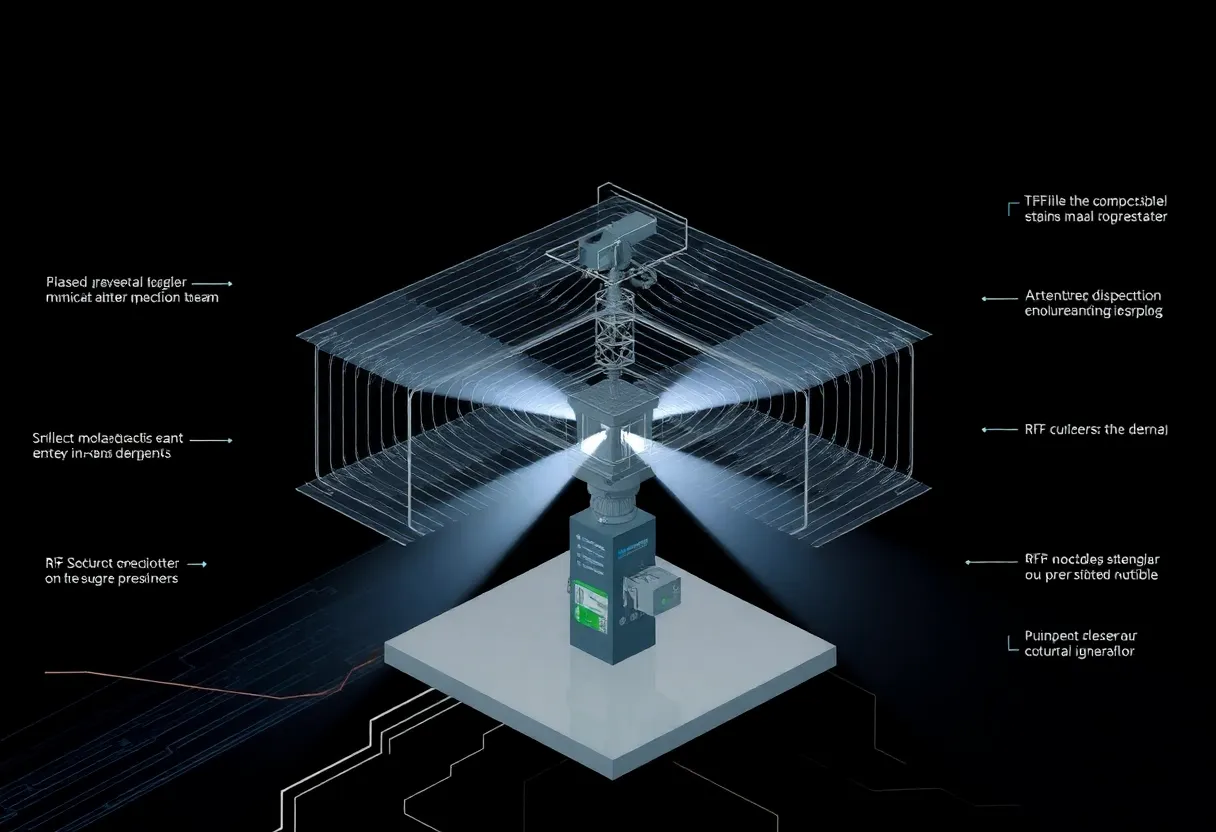
Traditional satellite dishes are parabolic reflectors that you physically aim at a fixed point in the sky—usually a geostationary satellite that stays in one place. Starlink’s satellites are in low Earth orbit and move. Tracking them with a mechanical dish would mean motors, gears, and wear; it would also be slower to repoint and more vulnerable to weather. So Starlink uses a phased-array antenna: a flat panel with many small antenna elements. By changing the phase of the signal from each element, the antenna can steer its beam electronically toward different satellites in the sky without moving. That’s why the dish can sit flat and still maintain a link.
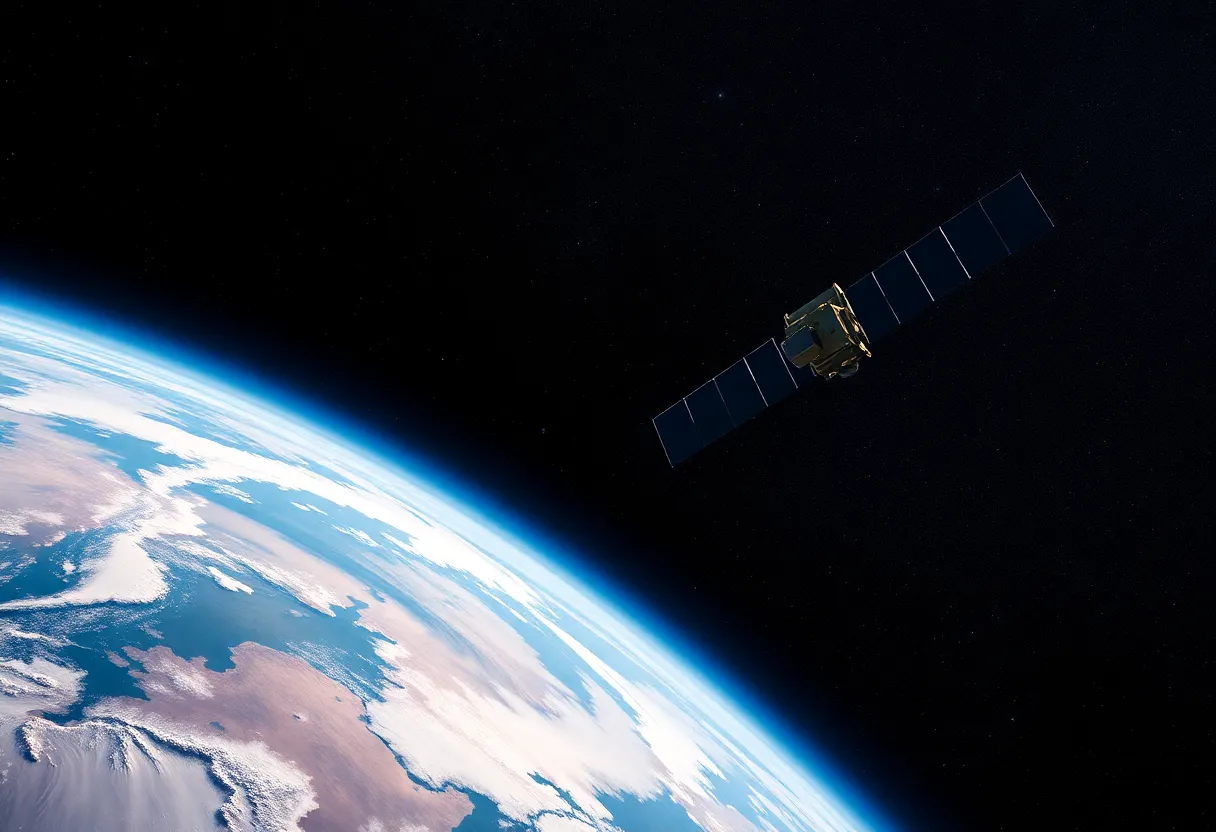
Phased arrays are common in military and aerospace applications but have historically been expensive. Starlink has driven the cost down by designing for high volume and integrating the RF electronics, but you’re still paying for a lot of small antennas, amplifiers, and phase shifters in a single unit. That’s a big chunk of the terminal’s cost.
Frequency Bands and Throughput
The dish operates in Ku- and Ka-band (and in some versions, E-band for downlink). These higher frequencies allow wider bandwidth and higher data rates, but they’re more sensitive to blockage and weather than lower frequencies. The dish has to be good enough to maintain a stable link as satellites pass overhead and as conditions change. That means capable electronics, good noise figure, and enough gain to close the link with satellites that are hundreds of kilometres away and moving at thousands of kilometres per hour. All of that is engineered into the terminal—another reason the hardware isn’t cheap.
Why Not Cheaper?
SpaceX has reduced the cost of the terminal over time—early units were more expensive—but it’s still a specialised piece of RF hardware. Mass production and design iterations have brought the price down, and in some markets the company has subsidised the hardware to grow the subscriber base. Even so, you’re not comparing it to a Wi‑Fi router or a cable modem. You’re comparing it to a small, flat, electronic satellite tracker that has to talk to LEO satellites. The bill of materials, R&D, and manufacturing for that is inherently higher than for terrestrial broadband equipment.
Subsidies and promotions can make the upfront cost easier to swallow, but the real cost of the system is spread across the terminal, the constellation, and the ground infrastructure. Your monthly fee helps fund launches, new satellites, and gateways. So “why does the dish cost so much?” is partly “because the dish is complex” and partly “because the whole system is expensive to build and run.”
The Bottom Line
The Starlink dish is doing a lot: electronic beam steering, high-frequency RF, and continuous tracking of a changing constellation. That’s why it costs more than a traditional dish or a simple modem. If you’re in a place where fibre or cable isn’t available, that cost buys you a terminal that can actually deliver broadband from space—and the ongoing subscription pays for the constellation and the ground network that make it work.