What the Kombucha Boom Reveals About the Modern Functional Beverage Market

Dr. Sarah Okafor
July 7, 2026

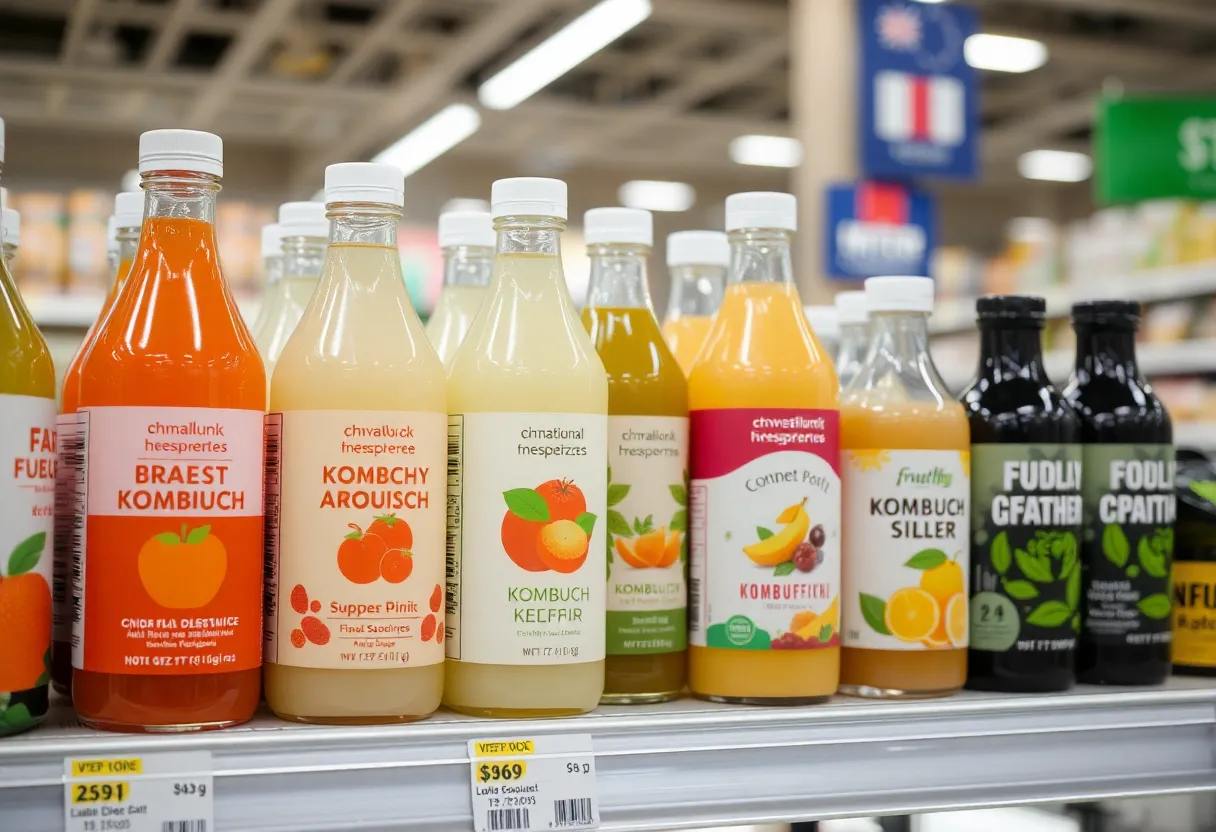
Kombucha — a fermented tea beverage with a recorded history in East Asia going back centuries — became one of the defining consumer products of the 2010s health trend. GT’s Kombucha, founded in 1995, turned a niche fermented drink into a mainstream grocery staple; by the mid-2020s the global kombucha market had grown to several billion dollars annually, with dozens of brands competing across natural grocery chains and conventional supermarkets. Kombucha’s commercial trajectory illuminates something broader about the functional beverage market: how consumer health concerns, ambiguous scientific claims, packaging aesthetics, and distribution infrastructure intersect to turn a category into a phenomenon — and then face the sustainability questions of maturing beyond the trend phase.
What Drove Kombucha’s Growth
Kombucha’s appeal is multi-layered and not fully explained by any single factor. The beverage is genuinely unusual: a live-culture fermented drink that contains organic acids (acetic and gluconic acid produced by fermentation), B vitamins, and small amounts of alcohol (typically under 0.5% in commercial versions, keeping it non-alcoholic). The live cultures — bacteria and yeast in a symbiotic colony called a SCOBY (Symbiotic Culture of Bacteria and Yeast) — survive in the bottle and are analogous to probiotic cultures in yogurt and kefir.
The probiotic connection drove substantial consumer interest aligned with the gut health trend of the 2010s, which was itself energized by legitimate research on the microbiome’s role in overall health. The connection between kombucha consumption and meaningful probiotic benefit is less well-established than marketing implies — the viable bacterial counts in commercial kombucha are generally lower than in clinical probiotic supplements, and most strains haven’t been specifically studied for efficacy. But the association with “live cultures,” “gut health,” and “fermented foods” positioned kombucha within a credible wellness narrative that drove purchasing among health-conscious consumers.
The beverage also filled a product positioning gap: a refreshing, slightly effervescent, modestly flavored drink that wasn’t soda (no artificial sweeteners, no high-fructose corn syrup), wasn’t water (interesting enough to be enjoyable), wasn’t alcohol (suitable for any occasion), and wasn’t coffee or tea (no caffeine dependency). This positioning in the “healthy alternative to soda” space was commercially important and harder to find than the landscape made it look in retrospect. GT’s original kombucha faced minimal direct competition in mainstream grocery, which helped establish the category before competitors arrived.
The Functional Beverage Market Pattern
Kombucha’s trajectory follows a pattern visible across other functional beverage categories: energy drinks (Red Bull created a category; hundreds of competitors followed), sports drinks (Gatorade established electrolyte replacement; the category expanded and splintered), coconut water (Vita Coco had years of premium positioning before commoditization), and now the expanding category of functional beverages with adaptogens, nootropics, and specific wellness claims (Recess with hemp extract, Olipop and Poppi with prebiotic fiber, LMNT electrolytes, Liquid Death water with extreme branding).
The pattern: a category is established by an early brand making a compelling positioning claim in an underserved market segment; the claim (health benefit + lifestyle positioning) generates premium pricing and loyal early adopters; growth attracts competition and large beverage conglomerates (Coca-Cola acquired Kevita and MOJO Kombucha brands; PepsiCo has invested in functional beverage brands); competition commoditizes the category, reducing margins and premium positioning; the category matures into a portion of mainstream grocery rather than a premium niche; original innovators either maintain premium positioning through brand investment or compete on volume at lower margins.
The functional beverage market as of the mid-2020s is in a proliferation phase, with new products entering at a high rate around specific positioning claims: adaptogen beverages (ashwagandha, reishi mushroom, lion’s mane), prebiotic sodas (Olipop’s prebiotic soda category has grown substantially), nootropic drinks (L-theanine, cognition claims), and alcohol alternatives (non-alcoholic beer, spirit alternatives like Seedlip). Each of these subcategories follows the same initial dynamic: a novel positioning claim backed by ambiguous but trending science, premium pricing, natural channel retail, then mainstream retail entry as the category proves itself.
The Science-Claim Tension
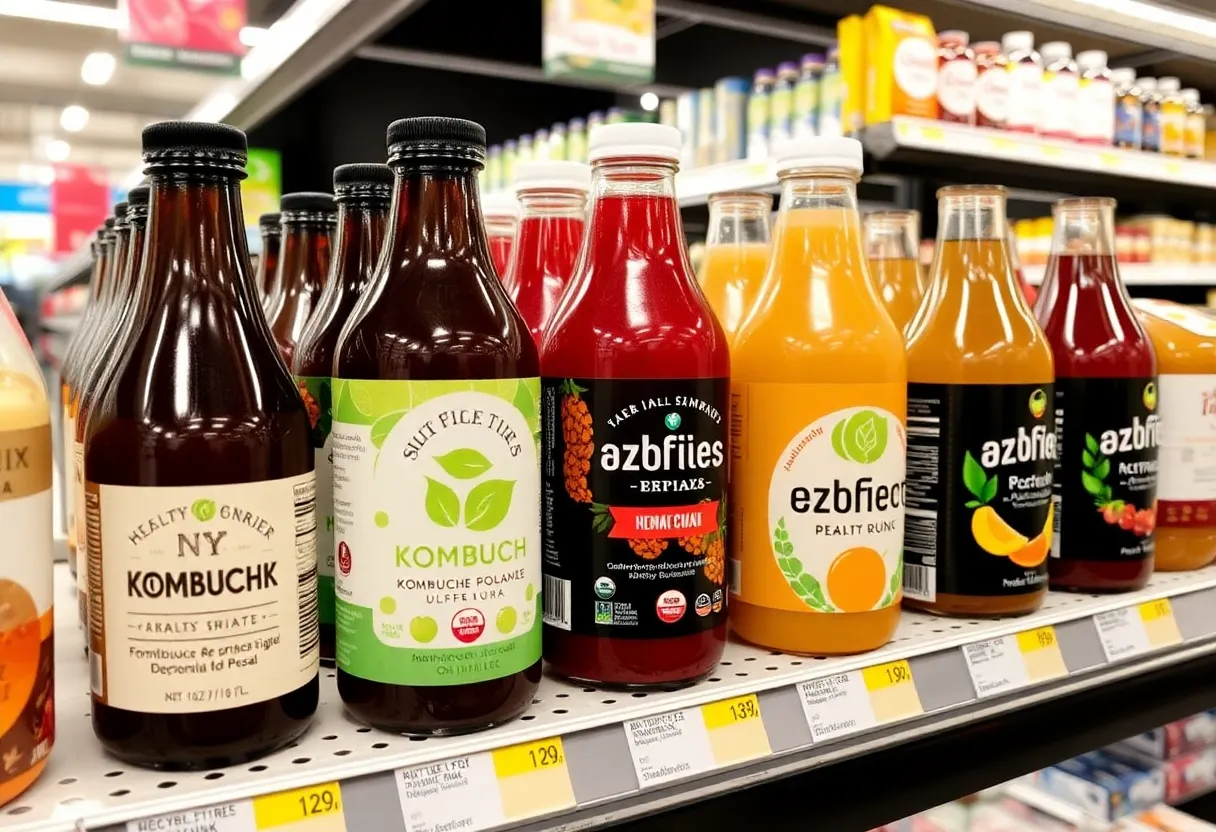
Every functional beverage category faces the same regulatory and scientific tension: FDA regulations prohibit specific health claims (disease prevention or treatment claims) on food and beverages without approved clinical evidence, but structure-function claims (“supports digestive health,” “promotes focus,” “helps maintain energy”) are permitted with a disclaimer. The result is a landscape where functional beverage marketing uses precise wellness language that implies health benefits without making specific clinical claims that could be challenged. “Supports gut health” is a legally distinct claim from “treats irritable bowel syndrome” and requires substantially less evidence.
The scientific evidence for most functional beverage ingredients — kombucha’s probiotic content, adaptogen extracts, prebiotic fibers in soda formats — ranges from plausible (probiotics have strong evidence for specific strains and conditions; whether the strains in kombucha provide those benefits at the quantities consumed is a different question) to preliminary (ashwagandha has some human clinical evidence; lion’s mane has mostly in vitro and rodent studies) to marketing language (most nootropic blends at the doses in a beverage have no credible clinical support for cognition claims).
This doesn’t mean functional beverages are useless or deceptive — some provide genuine nutritional value (probiotics at effective doses, electrolytes, prebiotic fiber), most are at minimum pleasant alternatives to soda, and the risk of harm is generally low. What it means is that the premium pricing commanded by functional beverages is substantially supported by wellness positioning rather than proven health outcomes, and consumers who understand this can make more calibrated choices about which products provide value that justifies their premium.