What Sleep Trackers Actually Measure—And What They Get Wrong

Maya Chen
February 25, 2026
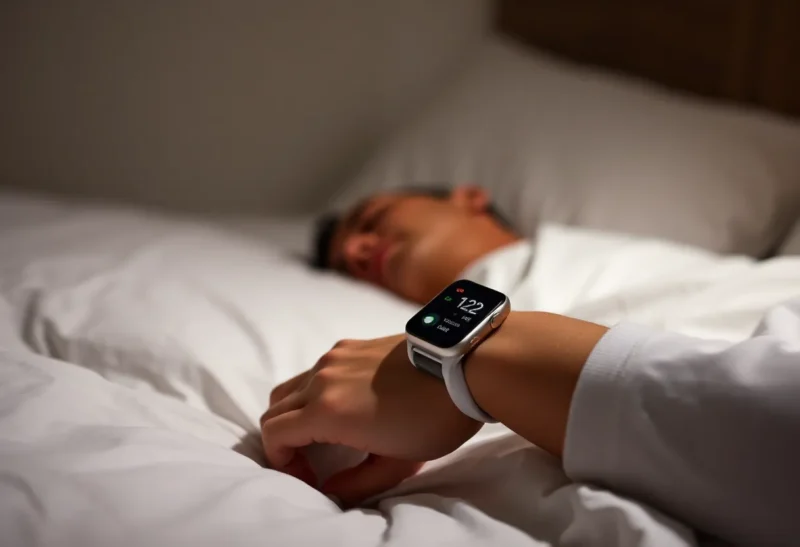
Sleep trackers—on your wrist, under your mattress, or on your nightstand—promise to tell you how you slept: duration, stages, quality, and a score. But what are they actually measuring, and how much of it is solid versus guesswork? Here’s what the data means and where the tech still gets it wrong.
What Sleep Trackers Actually Sense
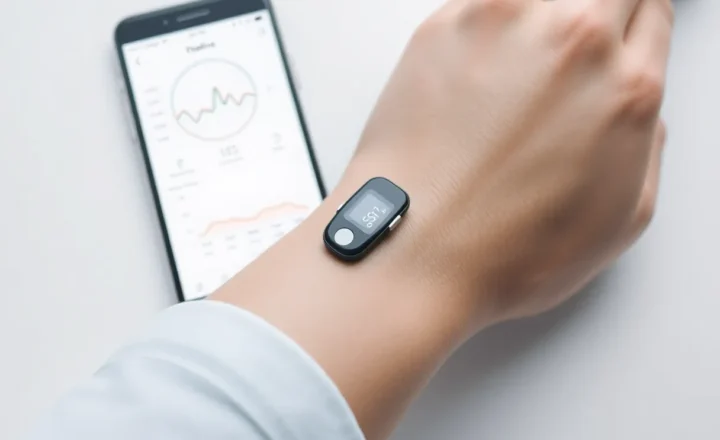
Wearables (smartwatches, fitness bands) typically use a combination of accelerometry (movement) and optical heart rate (blood flow via green LED sensors). Some add skin temperature or heart-rate variability (HRV). From that, algorithms estimate when you’re asleep vs awake, and sometimes break sleep into light, deep, and REM stages. Mattress or bedside devices often use ballistocardiography (body movement/vibration) or radar-like sensors to infer presence and motion. None of these devices measure brain activity. So “sleep stages” from a watch or a pad are estimates based on movement and heart rate patterns, not true polysomnography (the gold standard, which uses EEG and other sensors in a lab).
That doesn’t make them useless. Movement and heart rate do correlate with sleep state: you move less in deep sleep, and heart rate and HRV change across stages. So the algorithms can get in the right ballpark—especially for total sleep time and rough wake/sleep boundaries. But they’re not medical devices, and they can be wrong about individual nights or about the exact stage breakdown. Treat the numbers as trends, not as ground truth.
What They Get Right
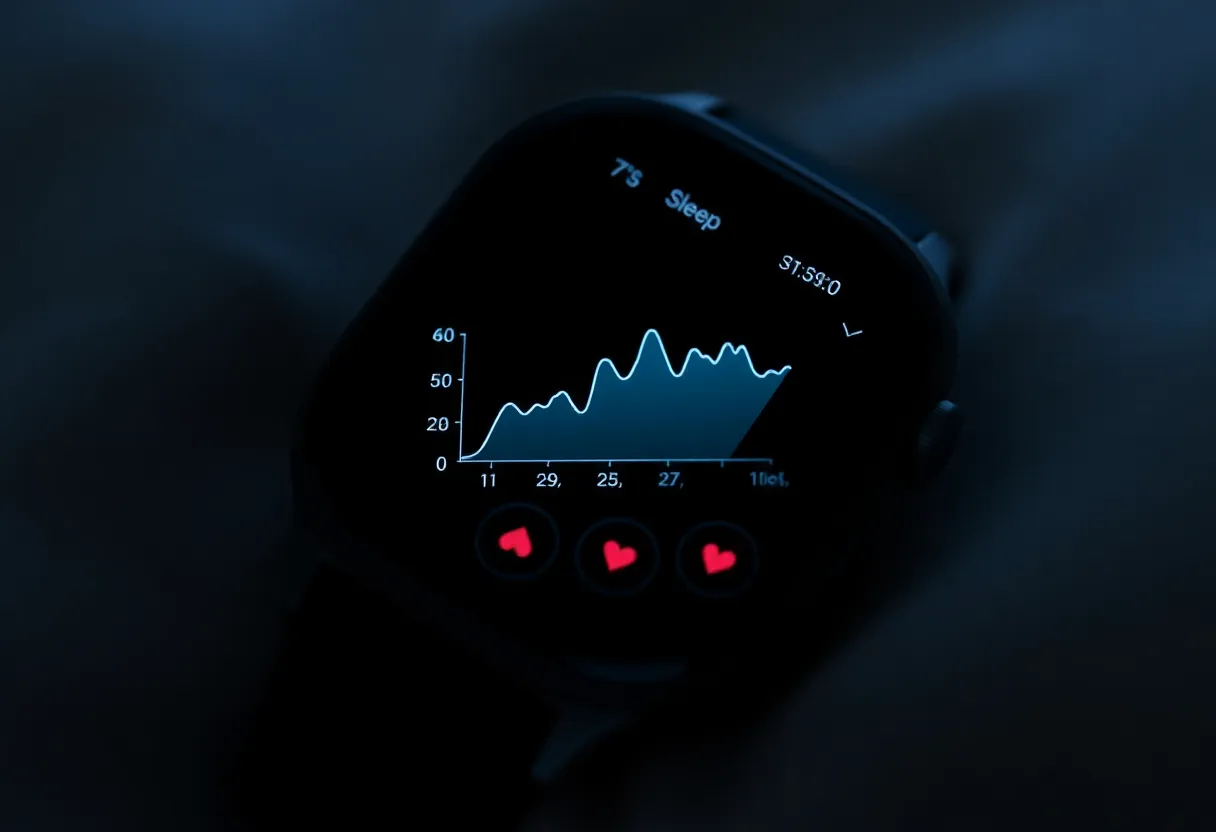
Sleep trackers are usually decent at total sleep time and wake-up time. If you’re relatively still and your heart rate is stable and low, the device infers sleep; when you move or your heart rate rises, it infers wake or light sleep. Over many nights, that can give you a useful picture of whether you’re consistently short on sleep or waking at similar times. They’re also okay at capturing gross disruptions—lots of movement or long awake segments—which can point to restlessness or environmental issues. So for “how long did I sleep?” and “did I have a rough night?”, the data is often good enough to act on.
What They Get Wrong
Where trackers struggle is stage accuracy. Light vs deep vs REM is inferred from movement and heart rate patterns that overlap between stages. Different brands use different algorithms and different sensors, so two devices can give different stage breakdowns for the same night. They also tend to overestimate sleep when you’re lying still but awake (e.g., reading in bed), and they can misclassify brief awakenings. So take “45 minutes of deep sleep” or “poor REM” with a grain of salt—the trend over time might be meaningful, but a single night’s stages are noisy.
Another limitation: they don’t measure sleep apnea, restless legs, or other disorders. If you snore, wake gasping, or have excessive daytime sleepiness, a tracker can’t diagnose you. It might show fragmented sleep or odd heart-rate patterns that could prompt you to see a doctor, but it’s not a substitute for a sleep study. So use the data for awareness and habit change, not for medical conclusions.
The “Sleep Score” Problem
Many apps and devices boil the night down to a single score (e.g., 72/100). That score is usually a composite of duration, consistency, stages, and sometimes restlessness or HRV. The formula is proprietary and varies by brand, so a “72” on one device isn’t the same as on another. The score can be motivating, but it can also create anxiety—people chasing a number instead of focusing on how they feel. If the score helps you notice “I slept worse when I had wine” or “I do better with a fixed wake time,” use it. If it’s making you stress about one bad night, ignore it and look at weekly trends instead.
When to See a Doctor
Sleep trackers are not diagnostic. If you have loud snoring, witnessed pauses in breathing, excessive daytime sleepiness, or symptoms that suggest apnea or another disorder, see a clinician. A sleep study (in-lab or at-home with medical equipment) is what actually measures breathing, brain waves, and oxygen. A tracker might give you a nudge—”my sleep is always fragmented, maybe I should get checked”—but it can’t tell you why. Don’t let the device replace a proper workup when something’s wrong.
How to Use the Data
Use sleep trackers for patterns: Are you consistently under seven hours? Do you sleep better on nights when you avoid alcohol or screens? Does your “score” or duration improve when you keep a more consistent schedule? Those are the questions the data can help answer. Don’t obsess over a single night’s score or stage breakdown. And if you’re using the data to change behavior—earlier bedtime, less caffeine, better sleep hygiene—that’s where the value is. The number itself is a proxy; the goal is better sleep, not a higher score.
So: sleep trackers measure movement and heart rate (and sometimes temperature or HRV), and algorithms turn that into estimates of sleep duration and stages. They’re good for trends and rough totals; they’re weaker on precise stages and not at all for diagnosing sleep disorders. Use them to notice patterns and adjust habits—not as a replacement for medical advice or for treating the number as gospel.