What Sleep Research Actually Says About Screens Before Bed

Maya Chen
February 24, 2026
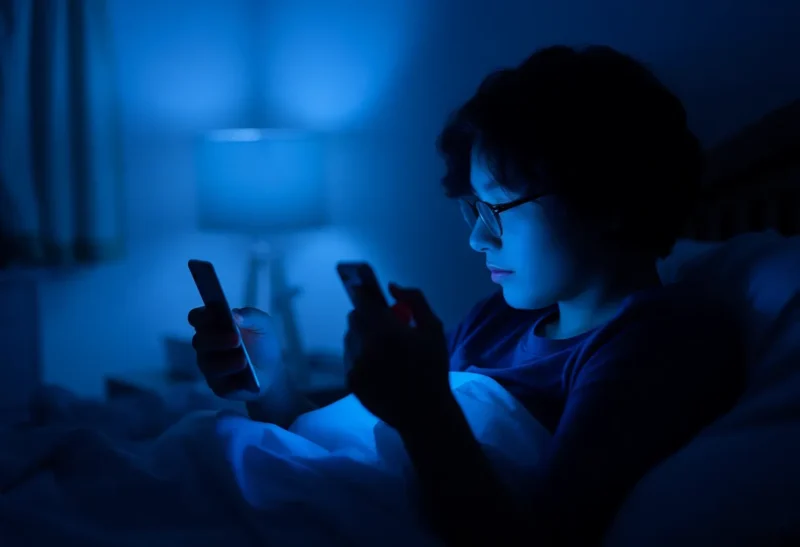
“Don’t look at screens before bed.” You’ve heard it forever. Blue light, melatonin, doom-scrolling—the story is that phones and tablets are wrecking our sleep. But what does the research actually say? The answer is more nuanced than the headlines, and it matters for how we set boundaries (or don’t) with our devices.
The Blue Light Story
Light—especially short-wavelength blue light—suppresses melatonin, the hormone that helps signal “time to sleep” to your brain. Screens emit a lot of that. So the logic is simple: screens at night → less melatonin → worse sleep. Lab studies have shown that bright light, including from screens, can delay melatonin onset and push back circadian phase. So in a controlled setting, yes, screen light can mess with your biology.
But real life isn’t a lab. The dose matters. A quick check of the weather or a text is different from two hours of TikTok. Screen brightness, distance from your face, and whether you use night mode or blue-light filters all change the dose. So “screens are bad” is an oversimplification. “A lot of bright screen time right before you want to sleep can make it harder to fall asleep” is closer to what the data supports.
Content and Arousal
What you’re doing on the screen may matter more than the light. Research on sleep and media often finds that content is a big factor. Stressful news, arguments on social media, or an engaging game can keep your brain alert long after you put the device down. That’s psychological arousal, not just melatonin. So even if you use a blue-light filter, scrolling through work email or a tense thriller can still delay sleep. The “wind-down” idea isn’t just about light—it’s about giving your brain time to shift from “on” to “off.”
Some studies show that interactive use (scrolling, messaging, gaming) is more associated with poor sleep outcomes than passive use (e.g., watching a calm show). That fits the idea that engagement and stimulation matter. So the advice isn’t only “dim the screen”—it’s also “stop doing stimulating things an hour before you want to sleep.”
What the Meta-Analyses Say
When you look at pooled data across many studies, the picture is consistent but not apocalyptic. Screen use before bed is associated with later bedtimes, shorter sleep duration, and worse perceived sleep quality—especially in kids and teens. The effect sizes are modest. That means screens aren’t the only thing that matters; sleep hygiene, stress, and schedule matter too. But the direction is clear: more screen time near bedtime tends to go with worse sleep. Reducing it, especially in the last hour before bed, is a reasonable and evidence-backed lever to pull.
Practical Takeaways
Night mode and blue-light filters might help a little, but they’re not a free pass. The bigger wins are: limit bright screen time in the last 30–60 minutes before you want to sleep, avoid stressful or highly engaging content in that window, and keep the phone out of the bed if you find yourself reaching for it. If you’re going to use a screen, keep it dim, keep it short, and choose something dull. The goal is to let your brain and your circadian clock align with when you actually want to sleep.
The Bottom Line
Sleep research doesn’t say “screens are poison.” It says that screen light and stimulating content can delay and disrupt sleep, especially when used a lot right before bed. The fix isn’t perfection—it’s reducing the dose and the intensity. A little screen time with night mode and calm content is different from hours of bright, engaging use. Know what the evidence actually shows, then make choices that fit your life.