

Right-to-repair has become a rallying cry: legislation, advocacy campaigns, and a growing sense that we should be able to fix the things we own. But beyond the slogan, what does it actually get you? Not everything—manufacturers still have plenty of ways to make repair hard. But in practice, the movement is already changing what you can do, what you can buy, and how long your devices can last.
Here’s what right-to-repair actually wins you, and where the limits still are.
What “Right to Repair” Means in Practice
At its core, right-to-repair is about access: to parts, to tools, to information. When a device breaks, you (or an independent shop) should be able to get genuine or compatible parts, open it without destroying it, and follow documentation that makes repair possible. Today, many products are designed to block that. Screens are glued shut. Parts are serialized so only “authorized” service can complete a repair. Manuals are confidential. Right-to-repair laws and pressure aim to change that.
So far, the wins are uneven. Some jurisdictions have passed laws that require manufacturers to provide parts, tools, and documentation to owners and independent repairers. Others have focused on specific sectors—farm equipment, medical devices, consumer electronics. Even without a law where you live, advocacy has pushed some companies to loosen policies, sell parts, or publish repair guides they would never have shared a decade ago.

What You Actually Gain
Longer-lasting devices. When you can replace a battery, a screen, or a port, a device doesn’t have to become e-waste the moment one part fails. That saves money and reduces waste. Right-to-repair doesn’t guarantee that every product is easy to fix, but it pushes in the direction of repairable design and the availability of parts so that repair is an option at all.
Choice of who fixes it. Without right-to-repair, manufacturers can steer you to their own service network—often at a premium. With it, you can go to an independent shop, a community repair café, or do it yourself if you’re inclined. That competition can lower prices and make repair available in more places.
Transparency. When manuals and schematics are available, you can understand how something works and whether a repair is worth attempting. You’re not dependent on a manufacturer’s word that “only we can fix this.”
Second-hand and refurbished markets. Repair isn’t just about your own device. A healthy repair ecosystem supports refurbishers who extend the life of used gear. That means more affordable options for buyers and less stuff in landfills.
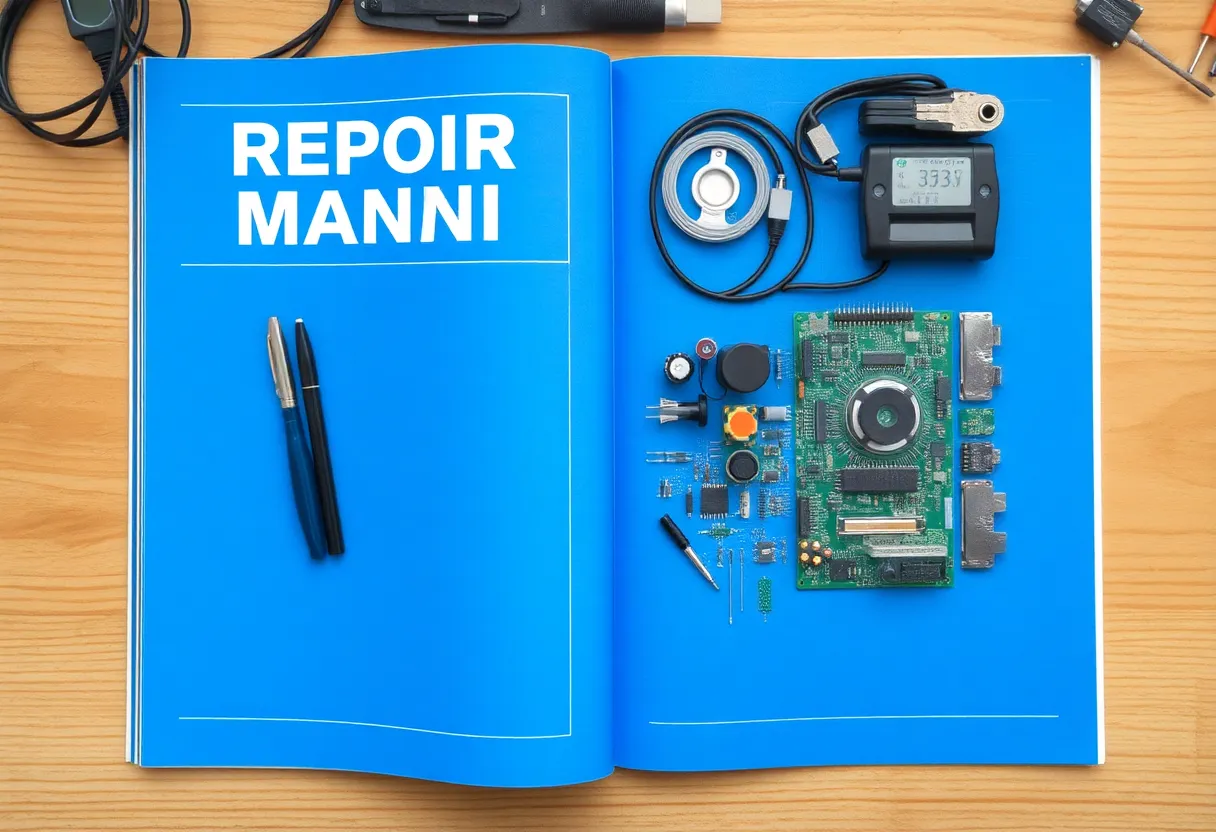
What It Doesn’t Guarantee
Right-to-repair doesn’t mean every product becomes trivial to fix. It doesn’t outlaw design choices that make devices thin, sealed, or complex. It doesn’t force companies to make every component user-replaceable. What it does is remove some of the artificial barriers: parts locking, tool monopolies, and information blackouts.
You still have to choose products with repairability in mind. You still need to weigh cost and difficulty: sometimes a repair is worth it, sometimes replacement is rational. And in many places, the law hasn’t caught up yet—so what you “win” depends on where you live and what you buy.
How to Use It
If you care about repair, the practical steps are: support brands and products that offer parts and manuals (and avoid those that don’t, when you can), use independent repair when it’s available, and back legislation that expands access to parts and information. Check whether your state or country has passed right-to-repair laws and what they cover. Look for repair guides and parts for your devices from the manufacturer or from community projects like iFixit. And when you buy something new, consider repairability as a factor—it’s one of the few ways to vote with your wallet for a longer-lasting, fixable future.
Right-to-repair doesn’t fix everything. But it wins you the possibility of repair where there was none, and that’s a real start.