What Renting Camera Gear Teaches You Before You Buy It

Finn Mercer
July 7, 2026
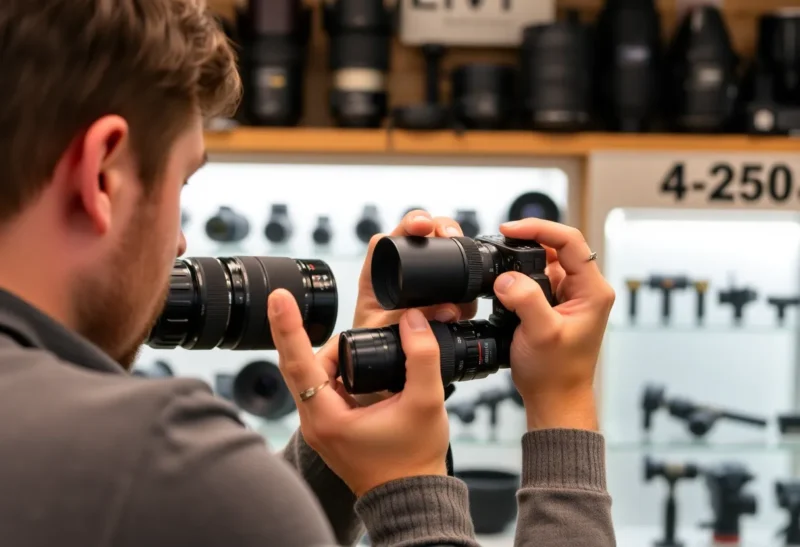
Camera gear is expensive, and camera gear decisions are surprisingly hard to make correctly from spec sheets alone. Sensor size, megapixel count, autofocus specifications, and lens MTF charts are all real and meaningful — but they don’t tell you how the camera feels in your hands, whether the autofocus behavior actually suits your subjects and style, whether a lens’s focal length works for the situations you’re actually in, or whether the ergonomic trade-offs in a compact body matter to you in practice. These are things you learn by using the gear, not by reading about it.
Rental services — national operations like LensRentals, BorrowLenses, and Lenspimp, or local camera shops that offer rentals — provide a structured way to use equipment you’re considering buying, often for $15–50 per day depending on what you’re renting. For a $2,000+ lens purchase, a $30 weekend rental is an extremely cheap research budget. What you learn from that rental consistently influences buying decisions in ways that spec-sheet research doesn’t predict.
What You Learn About Focal Length
Focal length decisions are the ones most affected by rental testing. The conventional advice — “50mm is a natural human field of view,” “85mm is the classic portrait focal length,” “24–70mm covers most situations” — is based on general truths that don’t uniformly apply to every photographer’s way of working. Some people are natural “zooms with your feet” shooters who find a 35mm or 50mm prime encourages them to work actively; others find that they want the compositional control of a longer lens and are not comfortable at the distances a wide prime requires for tight framing.
Street photographers who assume they want a classic 35mm often discover after a weekend of shooting that they prefer 28mm or 40mm for reasons they couldn’t have predicted from reading. Portrait photographers who read that 85mm is ideal sometimes discover they consistently want to work closer to their subjects and find 85mm keeps them at a conversational distance they don’t like, and they’d rather have the intimacy of a 50mm even if the perspective compression is less flattering in theory. These preferences are deeply personal and not derivable from specification.
Renting multiple focal lengths in a short period — something rental pricing makes practical — is the fastest way to develop a felt sense of which focal length matches your instincts. Two weekend rentals covering different lengths costs $60–80 and typically teaches more than months of gear research.
What You Learn About Autofocus
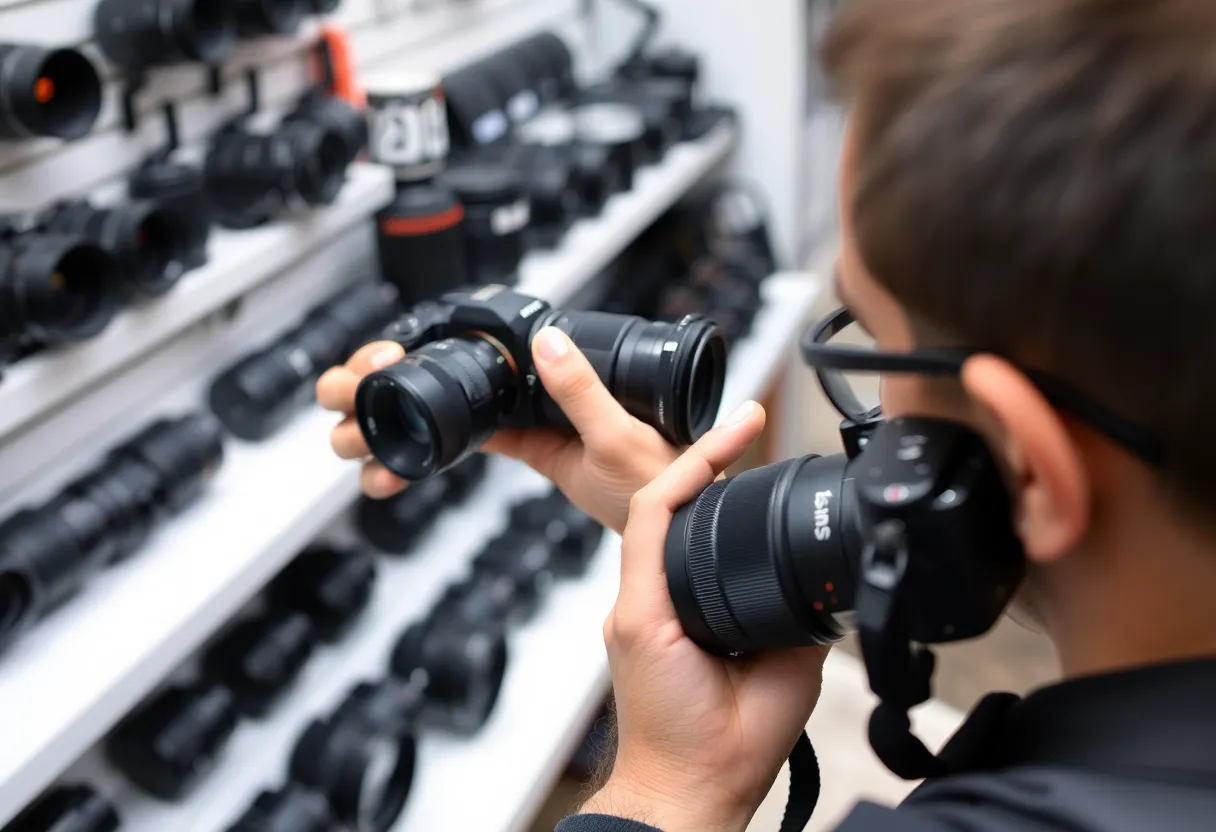
Modern autofocus marketing is aggressive and spec-laden: “AI-based subject detection,” “cross-type PDAF across the entire frame,” “real-time eye tracking at 30 fps.” These specifications don’t translate straightforwardly to “will this autofocus work for what I shoot.” AF systems vary significantly in how they handle difficult subjects: birds in flight with erratic movement patterns, children who look away at the wrong moment, subjects with faces partially obscured, low-contrast environments. The AF system that’s excellent for tracking athletes may be inconsistent for photographing toddlers; the system lauded for portrait AF may frustrate sports photographers.
Renting a camera body to use with your actual subjects — not studio-style subjects but the things you actually photograph — is the only reliable way to know if the AF behavior suits your work. Many photographers have bought cameras with impressive AF specifications that proved frustrating with their specific subjects and returned to bodies with lower-spec but more predictable AF systems. A weekend shooting what you actually shoot reveals this.
The customization depth of AF systems also varies widely and is not communicated by specs. Some cameras have rich menus of AF behavior, tracking sensitivity, and zone configuration; others offer few options. If you want fine control over AF behavior, you need to actually navigate the menu system to know whether that control exists and is accessible. A weekend rental exposes this in a way that no amount of YouTube AF reviews can substitute for — your hands, your subjects, your shooting habits.
What You Learn About Ergonomics
Camera bodies vary substantially in their physical design, control layout, and grip depth. Reviews describe button placement, but developing a physical intuition for whether a camera’s controls are naturally accessible to your hands requires holding and shooting the camera. Some photographers find that mirrorless cameras with smaller bodies — Sony A7C series, Fujifilm X-S series — are ergonomically insufficient for their larger hands and shooting style, requiring add-on grips to be usable. Others find full-grip bodies like the Sony A1 or Nikon Z8 unnecessarily large and heavy for the photography they do.
The weight question is particularly underestimated until you carry gear for a full shooting day. A lens that weighs 1.8 kg sounds like a number; carrying it for six hours of street photography at a festival feels different. Many photographers who rent large telephoto lenses for a day of nature or sports shooting return them with a clearer sense of whether the optical performance justifies the physical toll, and some decide it doesn’t — they’d rather accept the optical compromise of a lighter option than the physical strain of the best-performing heavy lens.
What You Learn About Your Own Shooting Habits
Rental testing sometimes reveals that the thing you thought you wanted to buy isn’t what you actually need given how you work. A photographer convinced they need a fast f/1.4 prime for low-light work may discover after shooting with one that the shallow depth of field requires more precision than their hand-holding technique delivers consistently, and an f/1.8 at a more manageable price produces better real-world results for them. A videographer who assumes they need the newest high-resolution body for social media clips may discover that their actual editing workflow and delivery platform make the resolution irrelevant and the older, cheaper body performs identically for their use case.
The most valuable thing rentals prevent is buying gear that impresses in reviews and YouTube videos but doesn’t fit your actual shooting style. The photography gear market is designed to encourage upgrading, and review culture often evaluates gear in controlled conditions and edge cases that don’t represent the ordinary situations most photographers are actually in. A weekend of real-world use with a specific piece of equipment — in the lighting conditions you actually shoot in, with the subjects you actually photograph, in the situations you’re actually in — is worth far more than any spec sheet or professional reviewer’s verdict in guiding a purchase decision that’s right for you specifically.
The economics work strongly in favor of renting before buying for any gear over $500. At rental prices of $15–50 per day, two or three rental sessions cost $60–150. The cost savings from avoiding a wrong $1,500–3,000 purchase — even just by selling gear you discover doesn’t suit you and taking the depreciation loss — dwarf the rental cost. For photographers who buy and sell gear repeatedly trying to find the right setup, the repeated depreciation losses add up to far more than a systematic rental-before-buying practice would cost.