What Makes Formula 1 Tire Compounds Such a Closely Guarded Secret

Dr. Helene Vogel
July 9, 2026
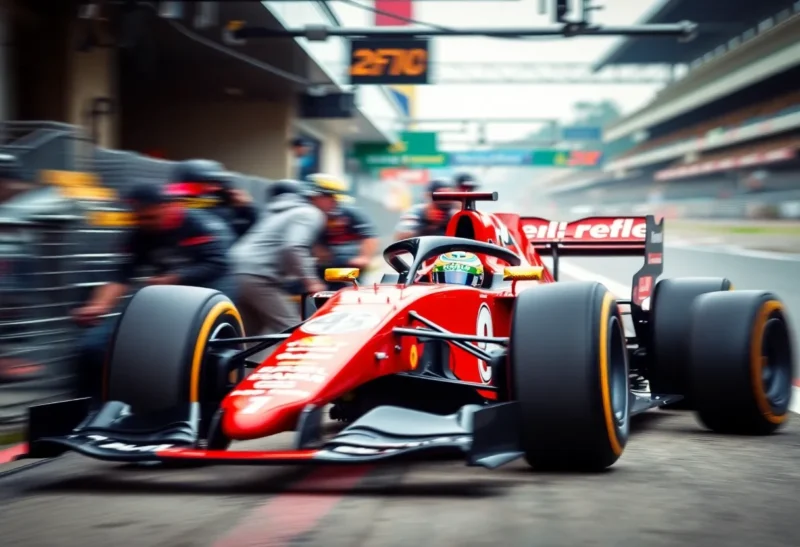
Formula 1 tires look, to a casual viewer, like a relatively simple piece of equipment compared to the car’s hybrid power unit or aerodynamic package that gets far more technical media coverage. In reality, tire compound formulation is one of the most tightly controlled pieces of technical information in the entire sport, and Pirelli, F1’s sole tire supplier since 2011, treats its exact compound formulations with a level of secrecy that rivals or exceeds what teams protect around their own car development. I’m a materials chemist with a background in formulation R&D, and the reasons this specific piece of technology stays so closely guarded reveal a lot about how genuinely difficult tire compound chemistry actually is, and how much competitive and safety weight rests on getting it right.
Why Tire Compound Is Genuinely Different From Most Car Components
Unlike most Formula 1 technology, where each of the ten constructor teams designs and builds their own components and actively competes on engineering performance, tire supply has been consolidated under a single manufacturer for over a decade specifically to help control costs and ensure a more level competitive playing field across teams with wildly different budgets. This means tire compound development isn’t a multi-team competitive technology race the way aerodynamics or power unit development is — it’s a single company, Pirelli, developing and controlling compound formulation for the entire grid, which changes the competitive secrecy dynamic considerably: Pirelli isn’t protecting compound formulation from competing tire manufacturers in the way teams protect car technology from each other, since there aren’t competing F1 tire manufacturers to protect it from at all currently.
What Pirelli is protecting is more specifically the underlying formulation science and manufacturing process itself, which represents genuinely significant proprietary R&D investment that has real commercial value to Pirelli’s broader tire business well beyond Formula 1 specifically — race tire compound research and the underlying rubber chemistry expertise it generates feeds back into Pirelli’s road tire product development and broader tire industry competitive position, meaning the actual commercial secrecy stakes here are considerably larger than just Formula 1 competitive advantage alone.
What Actually Makes Compound Chemistry So Complex
Tire compounds are formulated from complex blends of natural and synthetic rubber, combined with a wide range of other materials — carbon black and silica fillers that affect grip and wear characteristics, various oils and resins that influence flexibility and temperature response, sulfur and accelerator compounds that control the vulcanization (curing) process that gives rubber its final mechanical properties, and numerous other additives each contributing specific, carefully balanced effects on the final compound’s performance characteristics. The genuine complexity is that these ingredients interact with each other in ways that aren’t simply additive — changing one component’s ratio can shift how several other components in the same formulation actually perform, meaning compound formulation is a genuinely difficult multivariable optimization problem rather than a simple recipe that can be reverse-engineered by identifying individual ingredients alone.
F1 tire compounds specifically have to be engineered to perform within an unusually narrow and demanding operating window compared to road tires: extremely high operating temperatures generated by intense cornering loads and braking forces, extremely short intended service life (a compound is engineered to perform for a single race distance at most, sometimes far less, rather than the tens of thousands of miles a road tire is designed for), and a deliberate performance philosophy that intentionally trades long-term durability for maximum short-term grip, an entirely different design target than virtually any commercial tire application, which is part of why F1 compound science, despite drawing on the same underlying rubber chemistry principles as road tire development, produces genuinely specialized formulations that don’t directly translate from or to standard commercial tire products.
Why Reverse Engineering This Is Genuinely Difficult
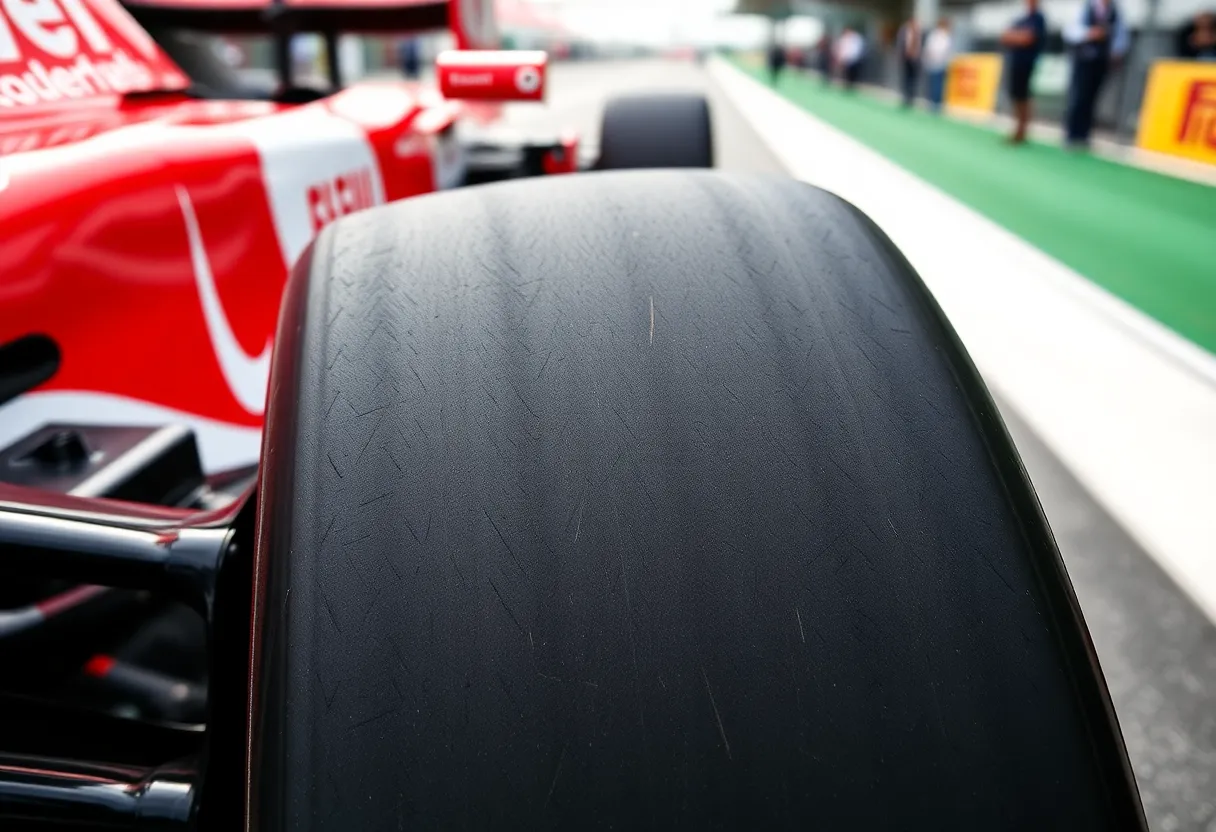
Given how much attention F1 tires receive on camera and in post-race technical analysis, it’s reasonable to ask why competitors or independent researchers couldn’t simply analyze used tires to reverse-engineer Pirelli’s formulations. The honest answer is that compound analysis through techniques like chromatography and spectroscopy can identify many of the major chemical components present in a cured rubber compound, but precisely determining exact ratios, the specific order and conditions under which ingredients were combined during manufacturing, and subtle formulation details that significantly affect final performance characteristics remains genuinely difficult even with sophisticated analytical chemistry tools, because the final cured compound’s chemistry doesn’t preserve a complete, unambiguous record of the exact original formulation and manufacturing process that produced it.
This is a common characteristic of complex material formulations more broadly, not unique to tire chemistry specifically — pharmaceutical formulation, specialty coatings, and various other complex chemical products face similar reverse-engineering difficulty, where analytical chemistry can identify what’s present in a finished product without necessarily revealing the complete original formulation and process recipe with the precision needed to exactly replicate performance, which is exactly why formulation know-how itself, not just the list of ingredients used, represents the core intellectual property that companies like Pirelli protect so carefully.
Why Compound Choice Has Become Such a Significant Strategic Variable
Pirelli produces a range of different compounds each season — typically five slick dry-weather compounds ranging from the softest, highest-grip C5 to the hardest, most durable C1, alongside separate wet and intermediate weather compounds — and which compounds get nominated for use at each specific race weekend, along with how teams strategically choose among the three compounds made available for that particular race, has become one of the more significant strategic variables in modern F1 race strategy, arguably rivaling engine and aerodynamic performance in how much it actually influences race outcomes given how narrowly matched competitive car performance has become across the current regulatory era.
This strategic weight is exactly why Pirelli’s compound development and nomination process, along with the underlying formulation science that determines each compound’s specific grip, degradation, and temperature performance characteristics, receives such intense scrutiny and speculation from teams and media, even though the exact formulation chemistry itself remains something only Pirelli’s own development team has complete visibility into, with teams and outside analysts left to infer compound behavior primarily through observed on-track performance data rather than direct access to formulation details.
The Safety Dimension That Adds Further Weight to This Secrecy
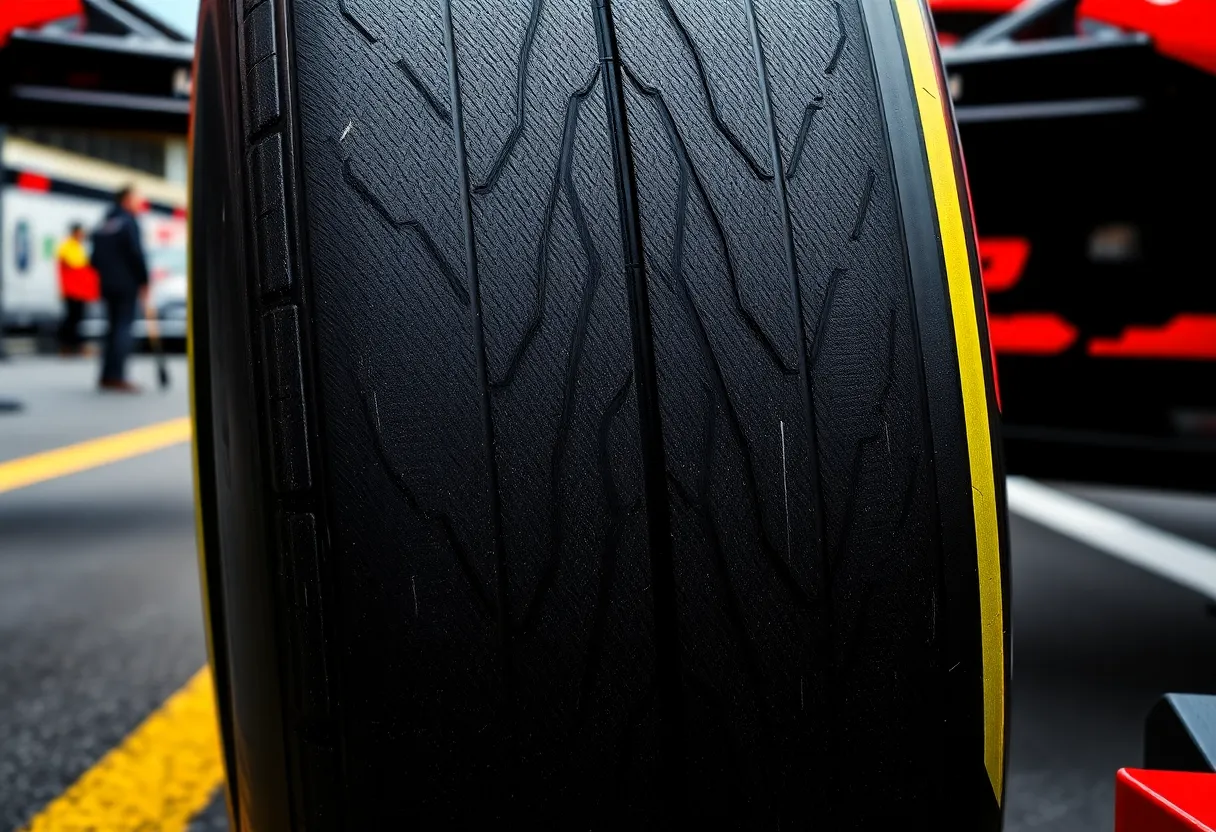
Beyond competitive and commercial considerations, tire compound and construction reliability carries genuine safety weight in a sport where tire failure at racing speed has caused serious, well-documented incidents historically, which is part of why Pirelli’s compound and construction development process involves extensive private testing and validation before any new compound formulation is approved for competitive use, a process managed with a level of rigor and confidentiality that reflects both competitive and genuine safety-critical stakes simultaneously. This safety dimension reinforces rather than competes with the commercial secrecy rationale, since both considerations point toward the same practical outcome: extremely tight control over exactly how, when, and by whom compound formulation details and development data are shared, treating tire compound science as genuinely sensitive information for reasons that go beyond simple competitive advantage into the sport’s core safety infrastructure as well.