What Makes Edge Computing Different From Cloud Computing in Practice

Avery Kapoor
July 7, 2026
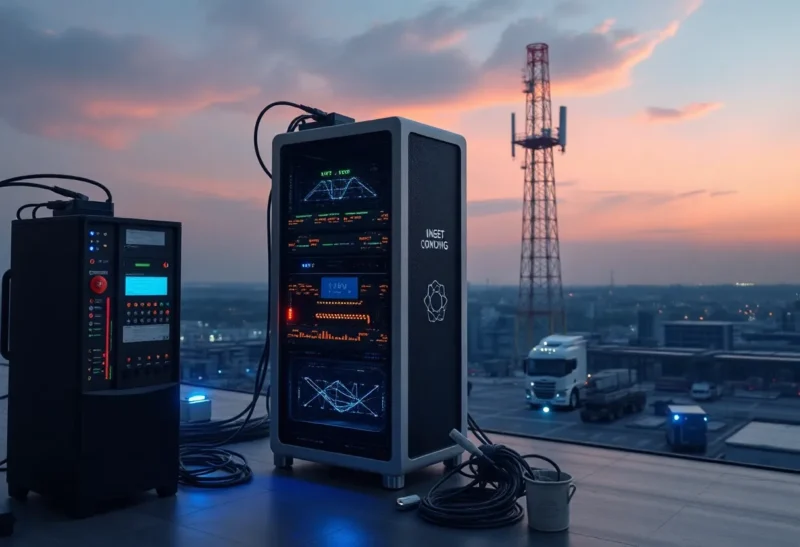
Cloud computing consolidated compute resources into centralized data centers — infrastructure that’s easier to manage, scale, and optimize when it’s in one place. The cloud model made enormous sense for most application workloads and has delivered the cost and capability improvements its proponents promised. Edge computing moves compute resources out of centralized data centers and closer to where data is generated and where results are consumed — factory floors, cell towers, retail stores, vehicles, cameras, sensors. It doesn’t replace cloud computing but addresses specific constraints that cloud’s central architecture creates.
The distinction matters because “edge computing” has been applied loosely to everything from CDN caching to on-device ML inference, diluting the term to near meaninglessness in marketing. Understanding what edge computing actually means in technical practice and which problems it genuinely solves is useful for evaluating where it applies and where it doesn’t.
The Practical Difference: Where Computation Happens
In a cloud computing model, devices generate data that is sent to a central cloud data center for processing, and the results are sent back. An industrial sensor monitoring equipment in a factory sends readings to AWS or Azure; anomaly detection algorithms run in the cloud; alerts are sent back if anomalies are detected. This works well when the round-trip latency to the cloud is acceptable, when the bandwidth required to upload all the raw data is available and affordable, and when connectivity to the cloud is reliable.
In an edge computing model, computation happens at or near the device — in a local server rack on the factory floor, in a compute module embedded in a piece of equipment, or in a gateway device between the sensors and the wider network. The same sensor data is processed locally; anomaly detection runs on the edge node; only alerts or compressed summaries are sent to the cloud rather than raw data streams. The cloud is still involved — for long-term storage, aggregate analytics, model training, and centralized management — but the real-time decision loop doesn’t depend on the cloud round-trip.
Bandwidth reduction is one of the most practical drivers of edge deployment in industrial and IoT contexts. A manufacturing plant with hundreds of high-frequency sensors generating raw telemetry cannot economically transmit all of that data to the cloud in real time — the bandwidth costs and data transfer fees would be prohibitive. Processing locally to extract the meaningful signals (anomalies, threshold violations, predictive maintenance indicators) and transmitting only those signals to the cloud is both more economical and architecturally cleaner.
Latency-Sensitive Applications
The clearest use case for edge computing is applications where the latency of a cloud round-trip is genuinely unacceptable. A cloud round-trip typically adds 30–100ms of network latency plus processing time — acceptable for most consumer applications but problematic for applications that require near-real-time response.
Autonomous vehicles are the most commonly cited example: a vehicle making lane-change decisions or emergency braking decisions cannot tolerate 50ms cloud round-trips. The inference for these decisions must happen on-vehicle. Industrial robotics with real-time control loops, augmented reality applications that must track and overlay information on a moving scene, and medical devices requiring real-time response all have similar constraints. In these contexts, “edge” means the computation must happen on or extremely near the device, not in a distant data center regardless of connection quality.
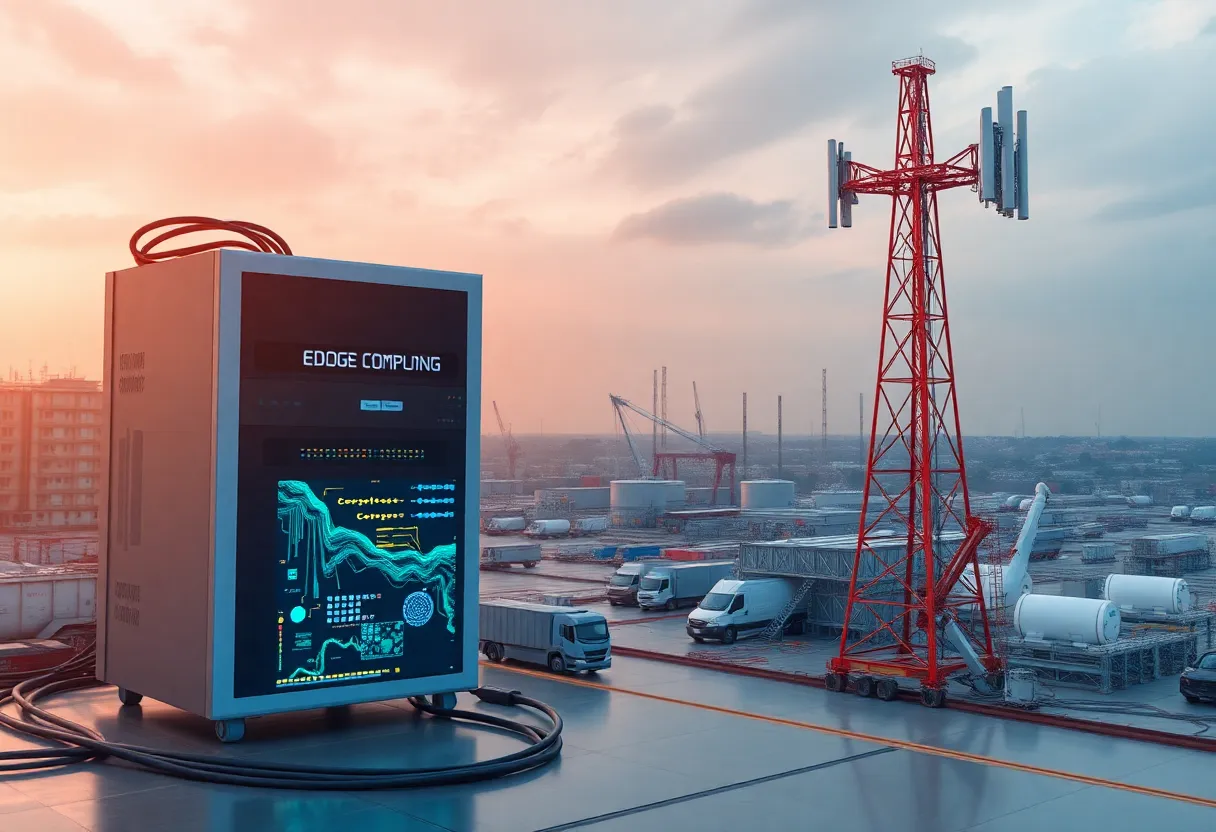
The 5G edge computing model — where mobile network operators deploy compute nodes at cell tower locations — targets latency-sensitive applications that can’t run on-device but can benefit from compute resources at the “network edge” that are 5–10ms away rather than 30–100ms. Content delivery networks (CDNs) have operated on a version of this principle for decades — putting cached content physically closer to users to reduce delivery latency — and the mobile edge compute model extends this to general-purpose computation. The practical deployments of this model are still early (most advertised 5G edge computing is more marketing than shipping infrastructure), but the architectural intent is sound.
Data Privacy and Sovereignty
Edge computing enables processing sensitive data locally without transmitting it to external cloud services — a relevant consideration for healthcare, financial services, and consumer applications where personal data handling is regulated or where users have privacy preferences. A medical device that processes patient sensor data on-device and sends only clinically meaningful summaries to a cloud service handles patient data very differently than one that streams raw biometrics continuously to a central server.
GDPR and similar data protection regulations create jurisdiction questions for data transmitted to cloud services: where does the data go, who has access to it, and under which legal framework is it processed? Edge processing that keeps data within a specific jurisdiction — a healthcare provider’s own infrastructure, for example — can simplify regulatory compliance compared to cloud processing that may route data through multiple geographies.
The Operational Challenges Edge Creates
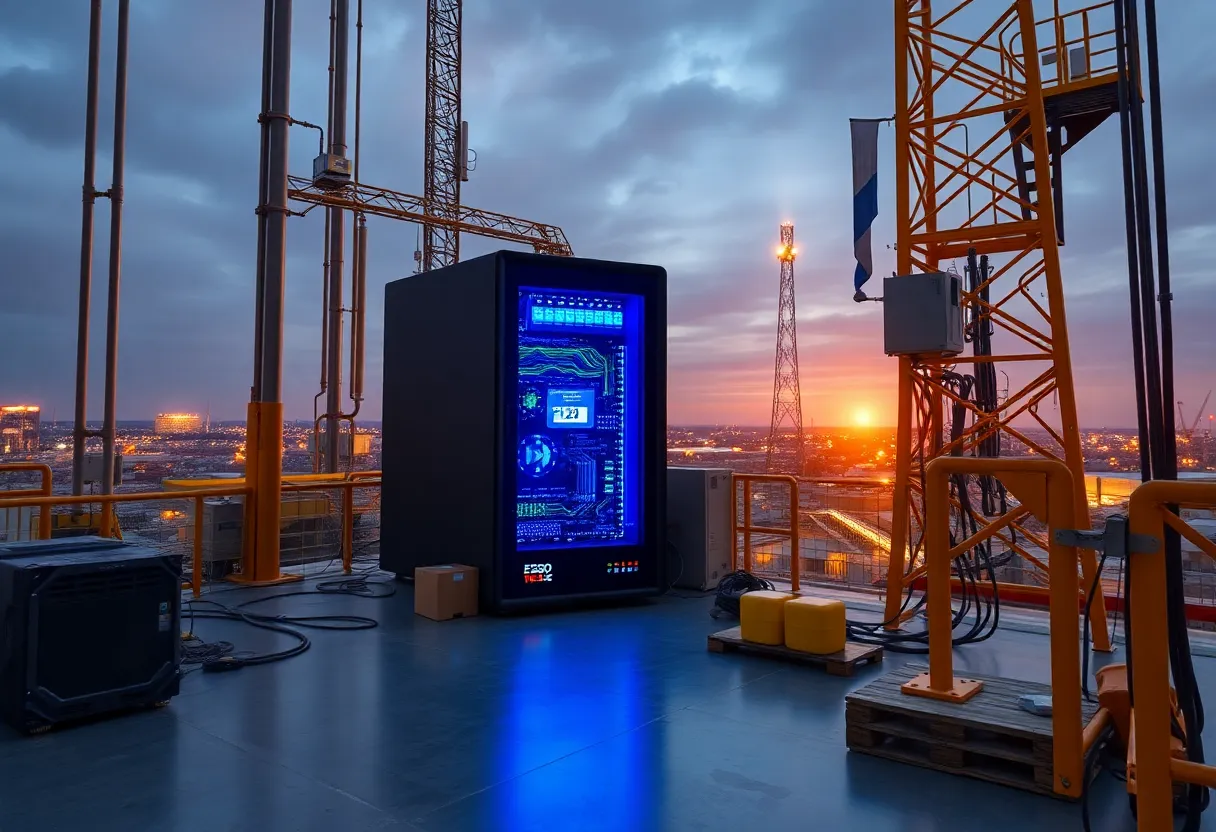
The tradeoffs of edge computing versus cloud are significant and often underemphasized in the marketing around the concept. Cloud infrastructure is managed by cloud providers — patching, hardware replacement, capacity management, physical security, and power management are the provider’s problem. Edge nodes are managed by whoever deploys them: the factory that installs edge servers on its floor is responsible for those servers’ uptime, security, physical maintenance, and software management in an environment (a factory floor) that may not be hospitable to server hardware.
Deploying and managing many edge nodes is fundamentally harder than managing centralized cloud infrastructure. Fleet management — keeping firmware and software consistent and updated across hundreds or thousands of edge nodes in different locations — is a significant operational challenge. Security patching for edge nodes must happen remotely without disrupting the workloads they’re running, in environments where physical access for hands-on maintenance is limited or expensive. The same benefits that make edge useful for local processing — autonomy from the central network — make centralized management of the edge more complex.
Developers building edge applications work within hardware constraints that cloud doesn’t impose. An edge node has fixed compute, memory, and storage that can’t be elastically scaled the way cloud resources can. Running a large machine learning model on a 4GB embedded compute module requires quantization and optimization that running the same model in the cloud doesn’t require. The developer experience of working with constrained, heterogeneous edge hardware is meaningfully different from the uniform, scalable cloud environment that most developers are now accustomed to, and teams moving into edge deployments routinely underestimate the additional engineering this requires.