What Happens to E-Waste After It Leaves Your Recycling Bin

Grant Ibekwe
July 9, 2026
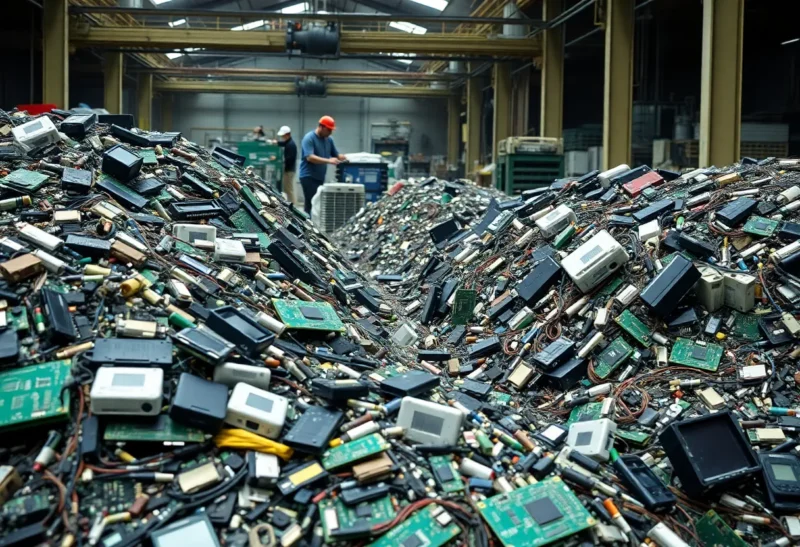
Dropping an old laptop into an e-waste bin at a retailer or municipal collection event feels like closure — the device is gone, presumably headed somewhere responsible. I spent fifteen years auditing electronics recycling and export chains for environmental compliance firms, and the honest answer to “where does it actually go” is less reassuring than the recycling symbol on the bin implies, though it’s also more complicated than the “it all gets dumped illegally overseas” narrative that circulates in reaction pieces. Both extremes miss what’s actually a messy, uneven system with genuinely responsible actors, genuinely bad ones, and a lot of gray area in between.
The First Stop: Sorting and Triage
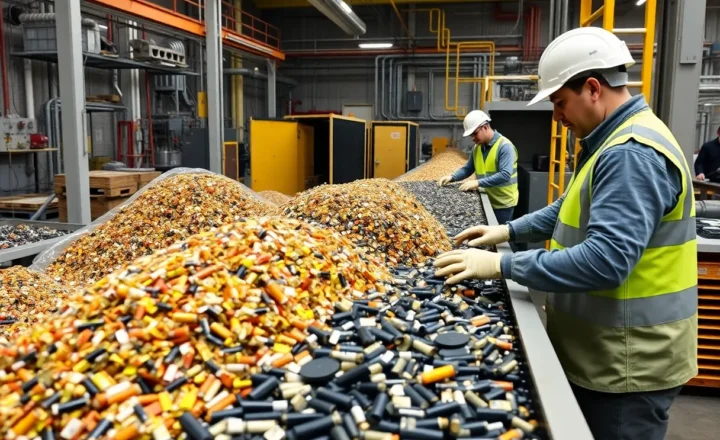
Almost nothing goes straight to material recovery. Collected devices first pass through a sorting and triage process where recyclers separate items by category and, critically, by resale versus recycling potential. A meaningful share of “e-waste” — particularly newer laptops, phones, and monitors — isn’t actually waste in any functional sense; it’s a working or repairable device that gets refurbished and resold into secondary markets, domestically or internationally, rather than physically recycled at all. Reputable recyclers treat this as the preferred outcome specifically because reuse captures far more of a device’s embedded value and avoids the material recovery losses inherent in any recycling process, even a good one.
For devices deemed genuinely end-of-life, sorting continues by category: cathode ray tube monitors (a legacy category still being processed decades after CRT displays stopped being manufactured, due to the sheer volume that accumulated before flat panels took over and the specific hazardous lead content that requires specialized handling), circuit boards, batteries, and bulk plastic and metal housings each follow different downstream processing paths with different hazard profiles and different economic value.
Where the Real Value Recovery Happens
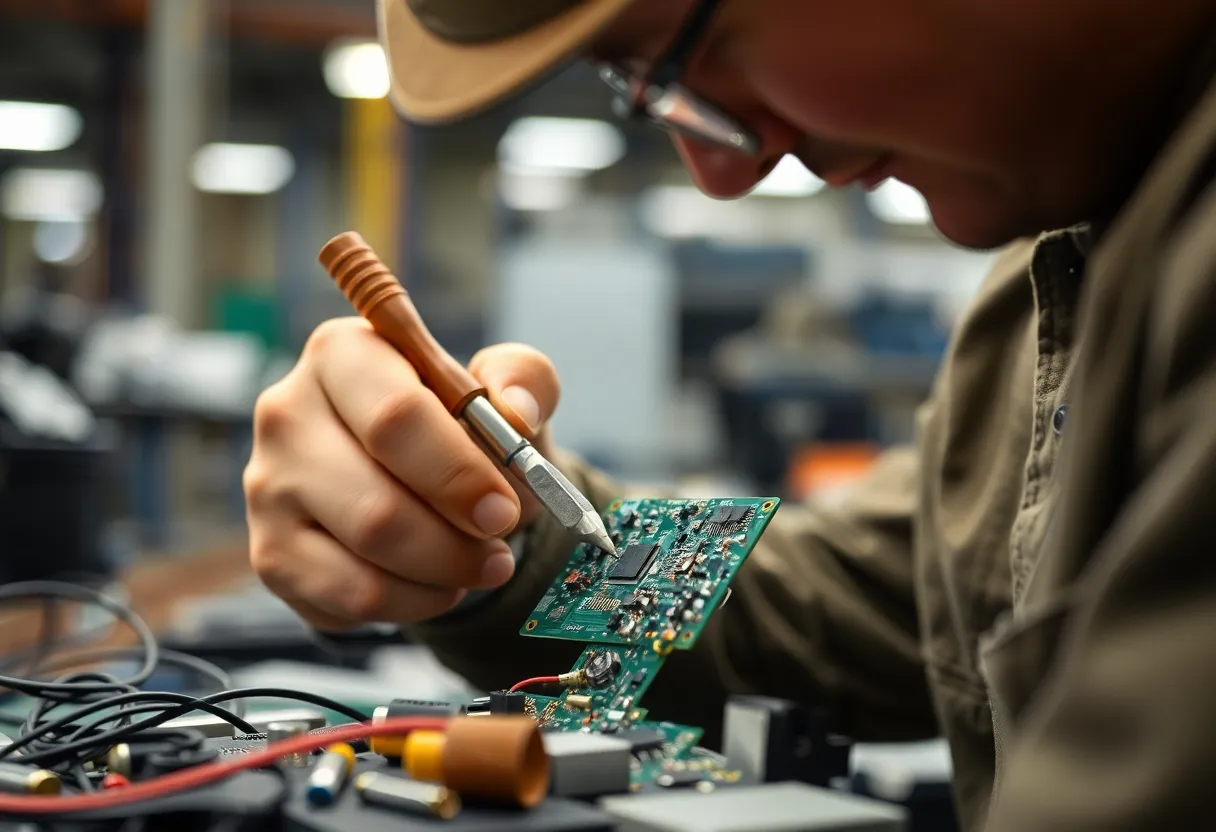
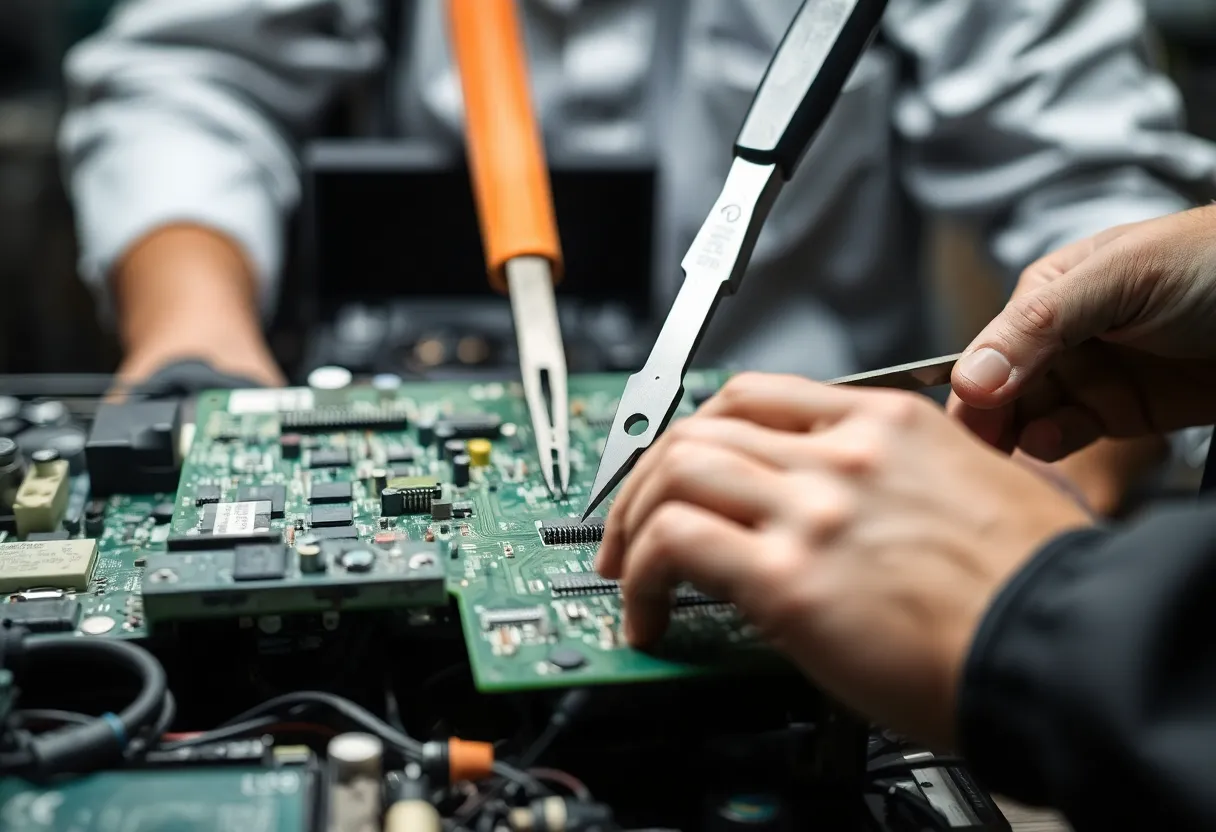
Circuit boards are where the economics of e-waste recycling actually work, because they contain recoverable gold, silver, palladium, and copper in concentrations that, while small per board, add up to genuine value at processing scale — a metric ton of computer circuit boards contains more gold than a metric ton of mined gold ore, a statistic frequently cited in the recycling industry precisely because it’s both true and counterintuitive. This is the part of e-waste processing that functions as a genuinely profitable business, and it’s the segment where legitimate, well-regulated recyclers (those certified under standards like R2 or e-Stewards in the U.S.) invest in proper smelting or chemical extraction processes designed to capture these metals while controlling for the toxic byproducts — lead, cadmium, and various flame retardants — that circuit board processing releases if done carelessly.
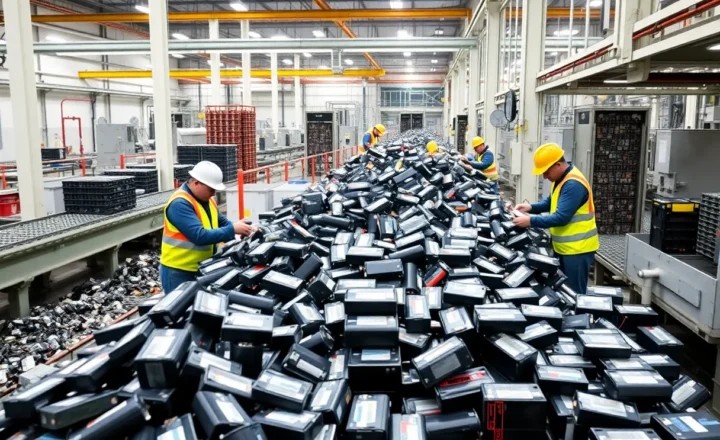
Batteries get separated early specifically because of fire risk during subsequent handling and transport, following the same hazmat logic discussed in lithium-ion battery recycling more broadly. Plastics and bulk metal housings, by contrast, carry much lower recovery value relative to processing cost, and this is precisely where the economics get shakier and where the responsible-recycling story starts to fray.
The Export Problem That Hasn’t Gone Away
This is where the uncomfortable part of the story lives. Investigative reporting over the past two decades — the Basel Action Network’s tracking studies being among the most rigorous and long-running — has repeatedly documented e-waste, ostensibly sent to certified domestic recyclers, quietly re-exported to countries with far weaker environmental enforcement, most notoriously to processing regions in Ghana (the Agbogbloshie area near Accra became internationally infamous for this), Nigeria, and parts of Southeast Asia, where informal, unregulated processing — often involving open burning of cables and boards to recover metal, or acid baths without proper containment — exposes workers, frequently including children, to severe toxic exposure and causes serious local environmental contamination.
The Basel Convention, an international treaty restricting the export of hazardous waste to developing countries, technically prohibits much of this trade, and the U.S., notably, never ratified it, which has historically made American-origin e-waste export enforcement weaker than in signatory countries. Enforcement gaps, mislabeling of shipments (declaring genuinely hazardous e-waste as “used electronics for repair and resale,” a loophole that’s real and repeatedly documented in investigative tracking studies using embedded GPS trackers in donated devices), and the sheer logistical difficulty of monitoring global shipping volumes mean this trade, while reduced from its peak and increasingly targeted by tightening regulation in some jurisdictions, hasn’t been eliminated.
Why Certification Doesn’t Fully Solve This
Certification standards like R2 (Responsible Recycling) and e-Stewards were created specifically to give downstream buyers and consumers a way to identify recyclers committed to responsible processing and export practices, and they’ve genuinely raised the floor for participating companies — certified recyclers face real audits and real consequences for violations. But certification covers direct handling by the certified company; it doesn’t always fully trace what happens after material changes hands multiple times through brokers and subcontractors in a genuinely complex, multi-tiered global supply chain, and several documented cases have involved certified companies unknowingly or knowingly selling material downstream to buyers who then exported it improperly.
This is structurally similar to supply chain traceability problems in other industries — conflict minerals, textile manufacturing, agricultural commodities — where certification at one tier of the chain doesn’t guarantee visibility all the way through to final disposition, especially once material passes through several intermediary brokers each operating with their own, less scrutinized, business relationships further downstream.
What’s Actually Improving
It would be inaccurate to frame this as an unsolvable, unchanging problem — real progress has happened, even if it’s uneven and incomplete. The EU’s WEEE Directive (Waste Electrical and Electronic Equipment) has driven substantial improvement in formal collection and processing infrastructure across member states, with extended producer responsibility requirements that make manufacturers directly accountable for funding proper end-of-life processing, similar in structure to the battery recycling regulations discussed elsewhere in this space. A growing number of U.S. states have passed their own e-waste recycling laws, even in the absence of comprehensive federal legislation or Basel Convention ratification, gradually raising the regulatory floor state by state.
Domestic processing capacity in the U.S. and Europe has also expanded meaningfully, partly driven by the same critical minerals security concerns pushing investment into battery recycling — recovering gold, palladium, and rare earth elements domestically has taken on strategic economic importance independent of the environmental case for doing so, which has attracted serious investment into building out processing capacity that didn’t previously exist at this scale, potentially reducing the economic incentive to export material overseas for cheap, unregulated processing in the first place.
What You Can Actually Do With This Information
For anyone dropping off an old device, the practical, actionable version of this story isn’t “don’t bother recycling” — it’s “know which certification actually means something, and prefer manufacturer take-back programs where possible.” R2v3 and e-Stewards certification, while imperfect, represent meaningfully better assurance than an uncertified local scrap dealer, and manufacturer take-back programs (Apple, Dell, and several others operate their own certified reverse logistics chains) generally carry stronger internal incentive to maintain a clean chain of custody, given the direct brand reputation risk if their program gets caught in an export scandal, which has happened publicly enough to a few major brands to make this a real reputational concern companies actively manage.
The uncomfortable truth is that no consumer-facing certification or program can currently offer a fully airtight guarantee all the way through a multi-tiered global supply chain — that’s an infrastructure and enforcement gap that individual choices at the point of disposal can meaningfully reduce but not fully close. Closing it the rest of the way requires the kind of regulatory and enforcement investment — better Basel Convention enforcement, expanded domestic processing capacity, stronger chain-of-custody tracking requirements — that’s slowly happening, unevenly, and well behind the pace at which global electronics consumption keeps generating new e-waste each year.