The Science Behind Why High Altitude Training Improves Athletic Performance

Jonas Pike
July 7, 2026
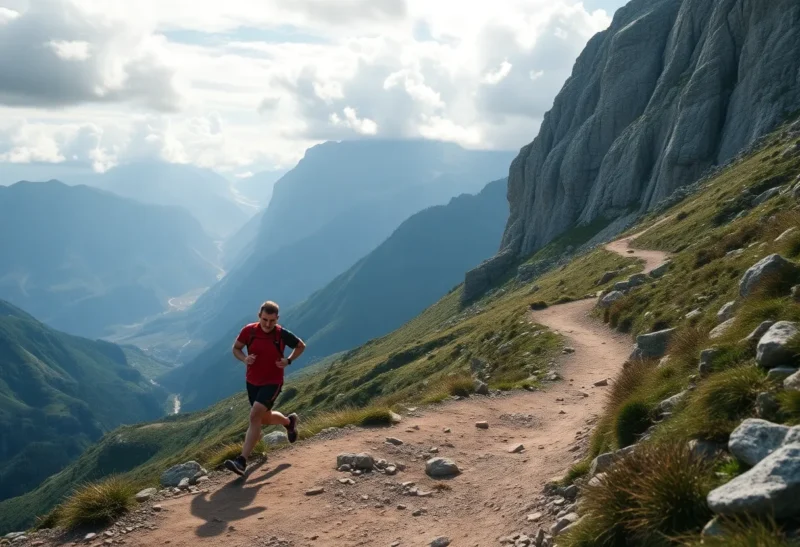
Distance runners from Kenya and Ethiopia have dominated middle and long-distance events at Olympic and World Championship level for decades. Cycling Grand Tours are regularly won by athletes who train at altitude. Some of the world’s best cross-country skiers spend significant portions of their training year above 2,000 meters. The performance benefits of altitude training for endurance sports are well-established and well-understood at a physiological level — altitude exposure triggers a specific set of adaptations that, once developed, confer meaningful advantages when competing at sea level.
Understanding the mechanism explains both why altitude training works and why the “live high, train low” model that elite athletes commonly use is optimal in a way that simply living and training at altitude isn’t.
The Core Mechanism: Hypoxia and Erythropoiesis
At altitude, the partial pressure of oxygen in the atmosphere is lower than at sea level. At 2,400 meters (approximately 8,000 feet), the partial pressure of oxygen is about 75% of sea level. At 3,000 meters, it’s roughly 70%. The lower oxygen pressure means that less oxygen enters the bloodstream with each breath, even though the percentage of oxygen in the air (21%) is unchanged. This reduced oxygen delivery to tissues — hypoxia — is the stressor that drives altitude adaptation.
The kidney senses reduced oxygen delivery and responds by secreting erythropoietin (EPO), a hormone that signals bone marrow to increase red blood cell production. Over 2–4 weeks at altitude, the body produces more red blood cells, increasing hematocrit (the proportion of blood volume that is red blood cells) and hemoglobin concentration (the protein in red blood cells that carries oxygen). More red blood cells mean more oxygen carried per unit of blood volume, improving the oxygen transport capacity of the cardiovascular system.
When an athlete with altitude-adapted blood returns to sea level, they have higher-than-normal hemoglobin mass and red blood cell volume — the same adaptation that EPO doping illegally replicates — while exercising in an environment with full oxygen availability. The result is significantly improved oxygen delivery to working muscles, which translates directly to improved VO2max (maximal oxygen uptake, the key predictor of endurance performance) and enhanced performance at sustained high intensities.
Why “Live High, Train Low” Works Better
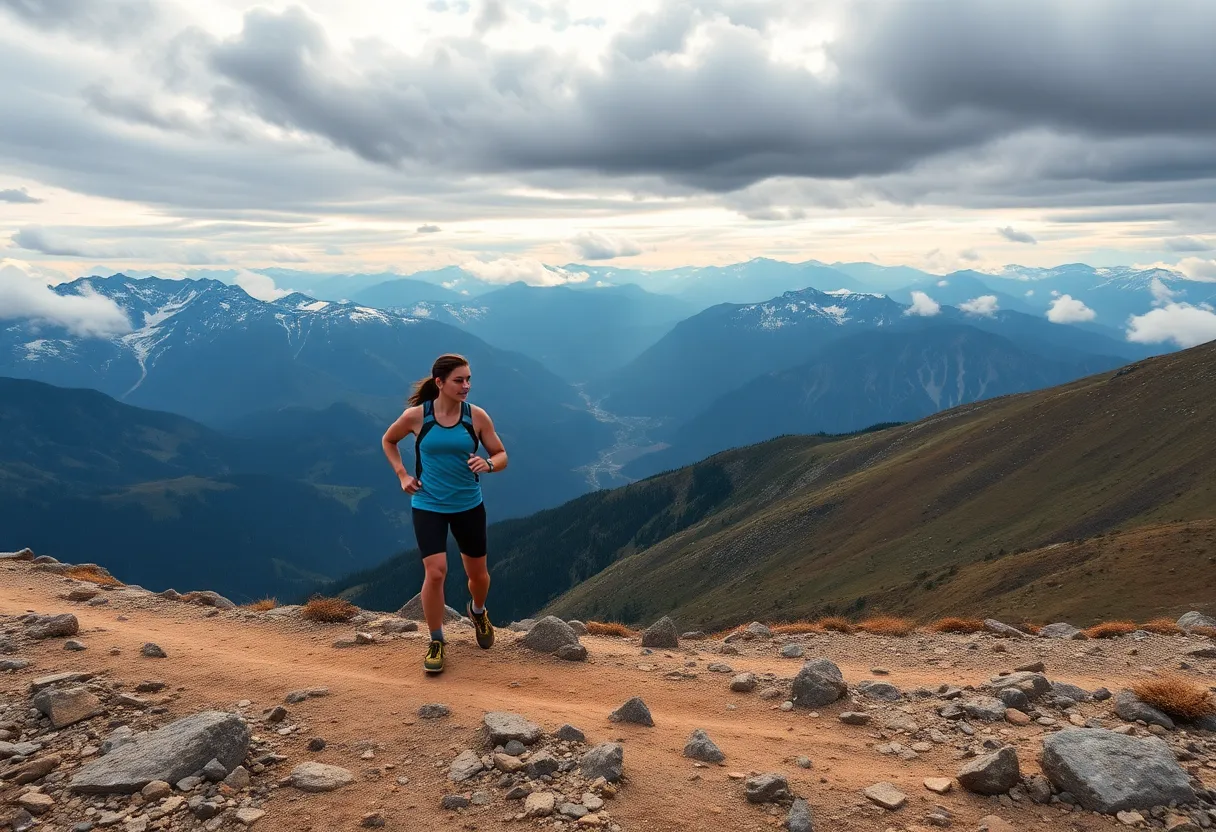
The altitude training model used by elite endurance athletes is counterintuitive at first glance: sleep and rest at altitude (2,000–3,000m), but travel down to lower altitude for high-intensity training sessions. This “live high, train low” approach was validated by research in the 1990s and has become the dominant model for athletes who can access appropriate facilities.
The reason is a fundamental tension in altitude training. High altitude exposure is what drives the EPO response and red blood cell adaptations — you need to be hypoxic for enough time to stimulate these adaptations, typically 12–16 hours per day at altitude. But high-intensity training — VO2max intervals, lactate threshold work — requires athletes to produce and sustain high power outputs, and at altitude, the reduced oxygen availability means athletes cannot achieve the same absolute speeds and power outputs as at sea level for the same perceived effort. Training too much of their hard work at altitude means athletes are performing that work at lower absolute intensities, which may reduce the training stimulus for the specific high-intensity adaptations that sea-level intervals develop.
Living at altitude for the hypoxic adaptation while traveling to lower altitude for hard training sessions preserves both: the body adapts to altitude through extended hypoxic exposure during sleep and easy aerobic work, while maintaining the capacity to train at sea-level intensities during key sessions. The logistics are demanding — most elite altitude training camps are structured around this compromise — but the physiological rationale is sound and the outcomes support the approach.
Altitude Tents: The Practical Alternative
Not all athletes can spend months in Flagstaff, Font Romeu, or Iten. Altitude tents — sleeping systems that create a low-oxygen environment using a hypoxic generator that reduces oxygen concentration to simulate altitude — provide the hypoxic exposure needed for red blood cell adaptation without geographical relocation. The physiological principle is identical: sufficient hours of hypoxic exposure stimulates EPO secretion and erythropoiesis.
The research on altitude tents shows measurable benefits for hematological parameters and VO2max with 8+ weeks of nightly use at simulated altitudes of 2,500–3,000m. The effect size is meaningful but smaller on average than traditional altitude training camps, partly because the total exposure time is typically less (8–9 hours of sleep versus 16+ hours of daily altitude exposure at a camp) and partly because sleeping at altitude without training at altitude misses some of the combined exposure.
Altitude tents are expensive ($2,000–5,000 for a complete system) and carry some health considerations — the hypoxic environment increases heart rate and reduces sleep quality for some users, particularly in the initial weeks. Elite athletes in cycling and triathlon have widely adopted them; for serious amateur athletes, the cost-benefit depends on how much performance improvement matters and whether that improvement is accessible at their current training state.
How Long the Adaptations Last and When They Peak
The hematological adaptations from altitude training persist for a predictable period after returning to sea level. Hemoglobin mass peaks approximately 2–4 weeks after leaving altitude, as the body catches up on the red blood cell production initiated by EPO stimulation during the altitude camp. This “lag” in peak adaptation is why elite athletes time altitude camps to end 2–4 weeks before their target competition — they want the adaptations fully expressed at race day, not immediately upon return.
The elevated hematocrit returns toward baseline over 10–14 days at sea level as red blood cell turnover gradually normalizes. This means altitude’s benefits are time-limited and need to be scheduled relative to competition calendar, not simply accumulated continuously. Many elite athletes do two or three altitude camps per year, timed relative to their key races, rather than living at altitude year-round — partly because the adaptation eventually reaches a ceiling that doesn’t improve with continued altitude exposure, and partly because training quality at altitude is lower than at sea level.
The Limits: Not All Athletes Respond Equally
Altitude training has “responders” and “non-responders” — athletes whose EPO and red blood cell response to altitude exposure is strong and those whose response is blunted. The variation is substantial; some athletes see hemoglobin mass increases of 8–10% after a three-week camp while others see 1–2% from the same protocol. The genetic factors governing EPO sensitivity and erythropoietic response are not fully characterized but are real, and altitude training is not equally effective for every athlete.
For recreational athletes training 8–10 hours per week and competing in amateur events, the practical question is whether altitude training is worth the cost and disruption relative to other training investments. For most people at this level, optimizing training consistency, volume, and recovery matters more than altitude exposure. Altitude training is a genuine performance tool at elite levels where most other variables are already optimized; for athletes with room to improve through basic training quality, it’s a sophisticated intervention on top of a foundation that may not yet be solid.