The Real Cost of 3D Printing: Beyond the Printer Price

Jamie Torres
February 26, 2026
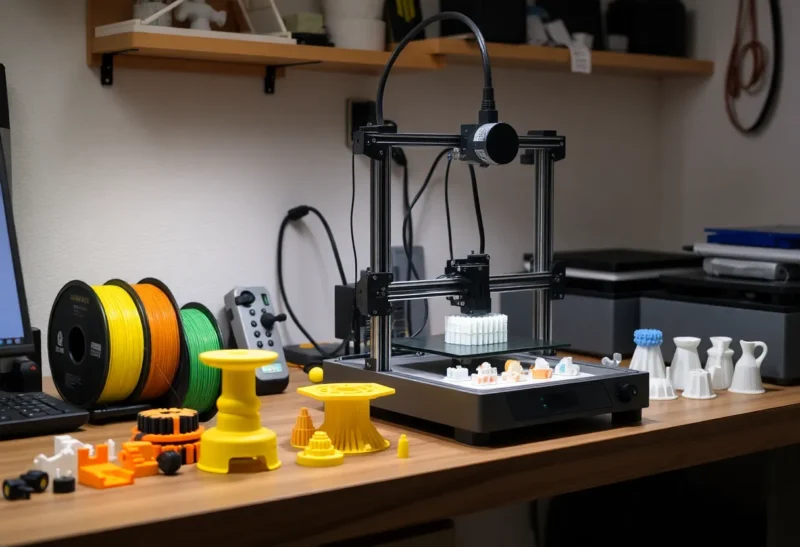
Entry-level 3D printers are cheaper than ever. You can get a decent machine for a few hundred dollars and start printing the same day. But the printer is only part of the cost. Filament, upgrades, failed prints, time, and maintenance add up. Here’s what the real cost of 3D printing looks like once you’re past the box price.
Filament and Consumables
Every print consumes filament. A kilogram spool might cost $20 to $50 depending on material and brand, and it goes faster than you think. Large prints or multiple iterations can burn through a spool in a few days. If you experiment with different materials—PLA, PETG, TPU, or specialty filaments—you’ll stock several colors and types. That’s not a one-time cost; it’s ongoing. Add build surface sheets, glue sticks or adhesives for certain beds, and occasional replacement parts like nozzles. Over a year, consumables can easily match or exceed what you paid for the printer.
Quality matters. Cheap filament can cause jams, inconsistent extrusion, and failed prints. Spending a bit more on reliable filament often saves time and material in the long run. Budget for consumables from the start so you’re not surprised when the first few spools run out.
Time and Failed Prints
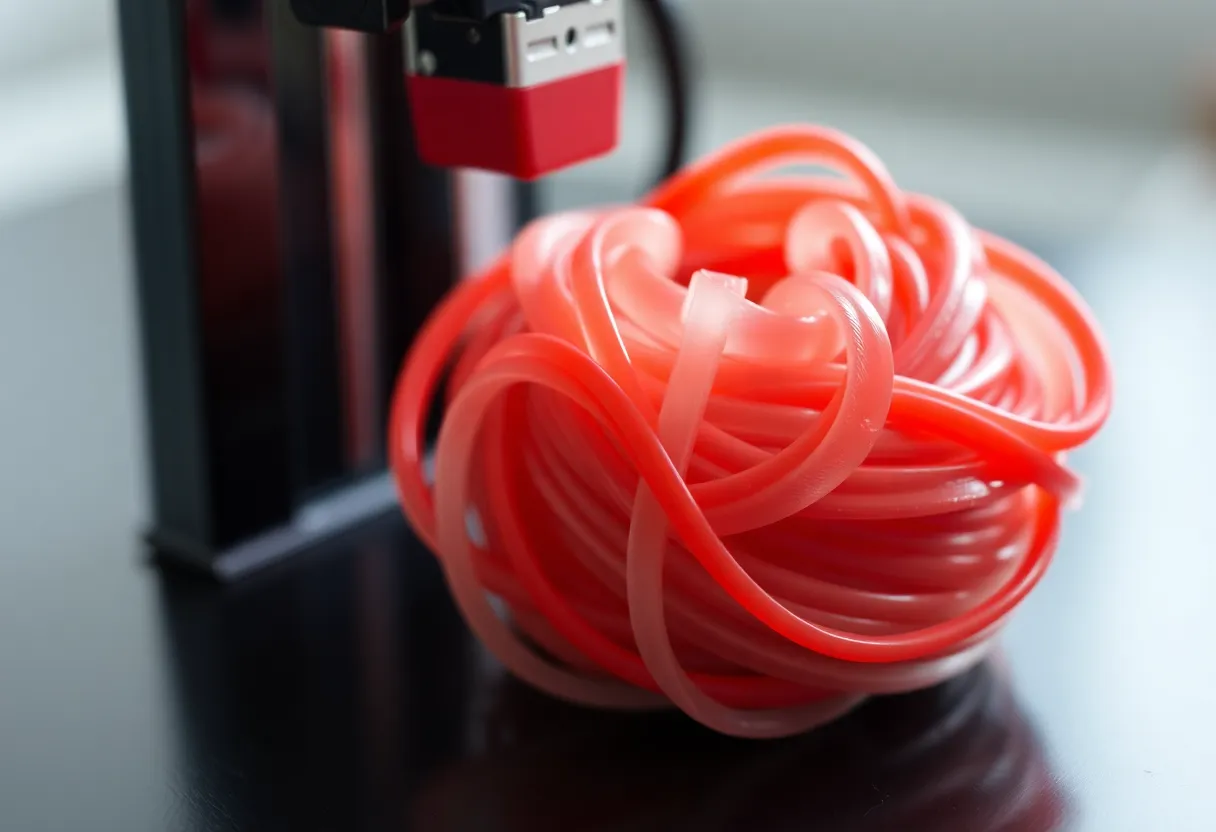
3D printing has a learning curve. Leveling the bed, tuning temperatures, choosing the right settings for each material, and fixing clogs or jams all take time. Failed prints are part of the process—especially early on. A print that runs for six hours and then fails at 80% means you’ve lost filament, time, and electricity. If you value your time, those failures have a real cost. Even when things go well, prints can take hours. A large or detailed model might run overnight or longer. The machine is doing the work, but you’re still managing it, checking on it, and sometimes re-running jobs.
Software is part of the equation too. Slicers are free, but learning to use them well—supports, infill, orientation—takes practice. Some people invest in paid slicers or design software. Factor in the time you spend tweaking and reprinting; that’s part of the real cost.
Upgrades and Maintenance
Stock printers often benefit from upgrades: better build surfaces, upgraded extruders, or enclosure panels for materials that need stable temperatures. None of that is strictly required to start, but many users add at least a few mods. Maintenance is ongoing: belts need tensioning, beds need leveling, nozzles wear or clog. If something breaks, replacement parts and shipping add up. Budget for a small annual maintenance and upgrade fund so you’re not caught off guard when the hotend clogs or a fan dies.
Electricity and Space
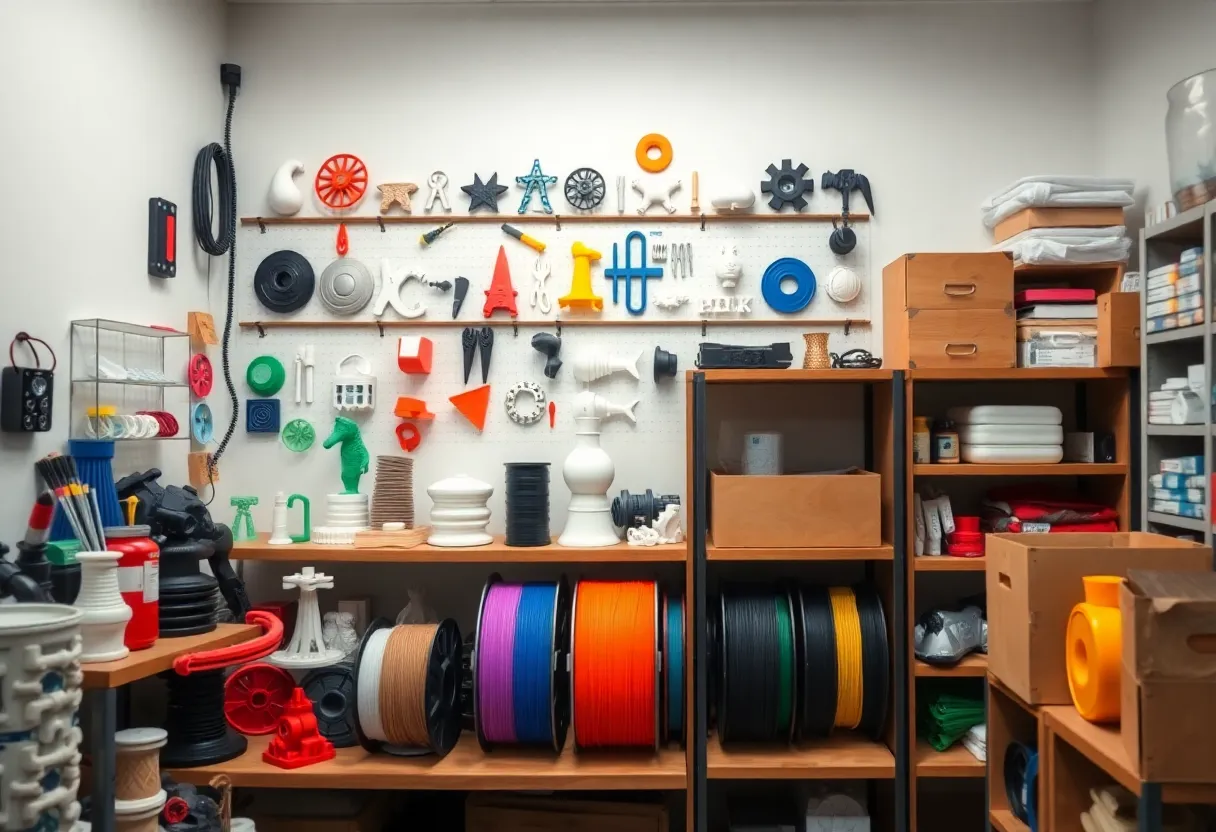
Printers run for hours. A typical desktop FDM printer might draw 100–200 watts while printing. Running it for hundreds of hours a year adds a modest but non-zero amount to your electricity bill. More importantly, the printer needs a dedicated spot—somewhere stable, with ventilation if you’re printing materials that emit fumes. Not everyone has that space. If you’re giving up desk space or reorganizing a room, that’s a cost too.
Is It Still Worth It?
Absolutely—if you go in with eyes open. The real cost of 3D printing is the printer plus filament, time, failed prints, and occasional maintenance. For hobbyists who love making things, fixing things, or prototyping, that cost is often worth it. For someone who expects to print a few items and stop, the total cost per useful print can be high. Know what you’re getting into: budget for consumables and time, expect some failures, and treat upgrades as optional but likely. Then you can enjoy the hobby—or the tool—without the sticker shock of the full picture.
The Bottom Line
The real cost of 3D printing goes beyond the printer. Filament, failed prints, upgrades, maintenance, and your time all add up. Plan for them from the start, and you’ll have a clearer picture of what the hobby or tool actually costs—and whether it’s worth it for you.