The Indie Hacker Reality Check: What Micro-SaaS Actually Looks Like in 2026

Devon Walsh
July 7, 2026

The indie hacker community has produced a steady stream of success stories since Pieter Levels’ early productivity posts and the launch of Indie Hackers as a platform. The narrative that emerged: a solo developer builds a small SaaS product in a weekend, charges $29/month, reaches $10K MRR within a year, and achieves location-independent financial freedom. This narrative is real—these outcomes happen—but it represents a small fraction of attempts and comes with significant context that doesn’t always make it into the success posts.
Here’s what the overall picture of micro-SaaS and indie hacking looks like in 2026, including what the success stories share in common and what the most common failure modes are.
The Current Market Context
The indie SaaS market in 2026 has changed compared to 2019 or 2021 in important ways. AI tools have substantially reduced the time and skill required to build an MVP—a solo developer with moderate skills can now build and ship a functional web app in days rather than weeks, and prompt-based code generation handles large portions of boilerplate. This has increased the supply of competing products in most niches. If your product idea is good enough to be worth building, someone else has probably also thought of it and shipped it faster than would have been possible three years ago.
Customer acquisition costs have also increased. Organic SEO, which was the growth engine of choice for many early indie SaaS products, is more competitive as content generation has scaled. Paid acquisition requires ongoing budget that early-stage bootstrappers often don’t have. App directory listings (Product Hunt, AppSumo, Tool directories) are valuable but increasingly saturated. Building an audience first—a newsletter, a Twitter/X following, a YouTube channel—before launching has become a more reliable path to early traction, but it requires months or years of pre-launch investment.
What the Successful Products Have in Common
Looking across the successful micro-SaaS products that have reached meaningful MRR (over $5K/month), a few patterns recur with striking consistency.
Specific, unglamorous problem focus: The successful products tend to solve problems that are genuinely painful for a specific audience and obvious once articulated, rather than broadly ambitious problems or technologically impressive solutions. Deadline Funnel (follow-up sequences with countdown timers for marketers), Simple Poll (embedded polls in Slack), Testimonial.to (testimonial collection for SaaS products)—these are not technically complex products. They solve a specific operational pain point for a defined audience.
Existing paying market: Products that reach revenue quickly almost always target buyers who are already paying for something adjacent. They’re not creating a new category or convincing people to pay for something they’ve always done free—they’re entering a market where the buying habit exists and competing on a specific dimension (simpler, cheaper, more integrated, better for a specific use case). “I’ll build a better version of X for Y audience” is a more tractable starting point than “I’ll create the X category from scratch.”
Founder distribution advantage: The indie hackers who reach their first $1K MRR fastest almost always have an existing audience or community access that they can convert into early customers. A developer who has 5,000 Twitter followers in the target niche, or who is active in the relevant Slack community, or who writes for a newsletter the target audience reads has a distribution advantage that no amount of technical excellence can substitute for.
Willingness to do manual sales early: The romantic version of micro-SaaS involves building the product and watching subscriptions come in. The reality of the first $5K MRR almost always involves direct conversations: messaging people in communities, doing customer development calls, offering to help people manually with the problem your product solves, chasing down churned users to understand why they left. The products that iterate their way to product-market fit do so through high-touch early engagement, not traffic.
The Failure Modes Most People Encounter
The most common failure mode is not technical. It’s building without validating the willingness to pay first. A developer spends three months building a product, launches to no response, and discovers that the problem was not painful enough for the target audience to pay a recurring subscription for a solution. The fix is obvious in retrospect: the willingness-to-pay test should happen before the build, not after.
The second common failure is premature scaling of acquisition. Getting 10 customers to $29/month is a different challenge from getting 100 customers. Founders often invest heavily in SEO content, paid ads, or cold outreach before they’ve solved retention—before understanding why the first 10 customers stayed or left—and end up spending significant time and money on acquisition into a leaky bucket.
The third is the niche-size problem. Some problems are real and painful for a specific audience, but the addressable market is so small that even converting a high percentage of the accessible audience doesn’t produce meaningful MRR. A product for a niche of 500 potential customers, priced at $19/month, with realistic 5% conversion, produces $475/month maximum. Niche focus is valuable, but the niche needs to be large enough.
What AI Has Changed and What It Hasn’t
AI tools have materially reduced the build time for MVPs, the cost of customer support (AI chatbots handling tier-1 queries), and the time required for content marketing (writing blog posts, generating SEO content). These are real reductions in the cost of getting to revenue.
What AI hasn’t changed: the customer acquisition challenge, the need for founder distribution, the difficulty of charging for something people can get free from general AI tools, and the fundamental requirement of building something people will pay for. The products that now face the most pressure are those that were essentially wrappers around AI APIs—the underlying AI capability became a commodity, and the thin wrapper around it became commoditised in turn. Products with genuine workflow integration, proprietary data advantages, or strong network effects are less exposed to AI commoditisation than simple “AI does X” tools.
Realistic Expectations
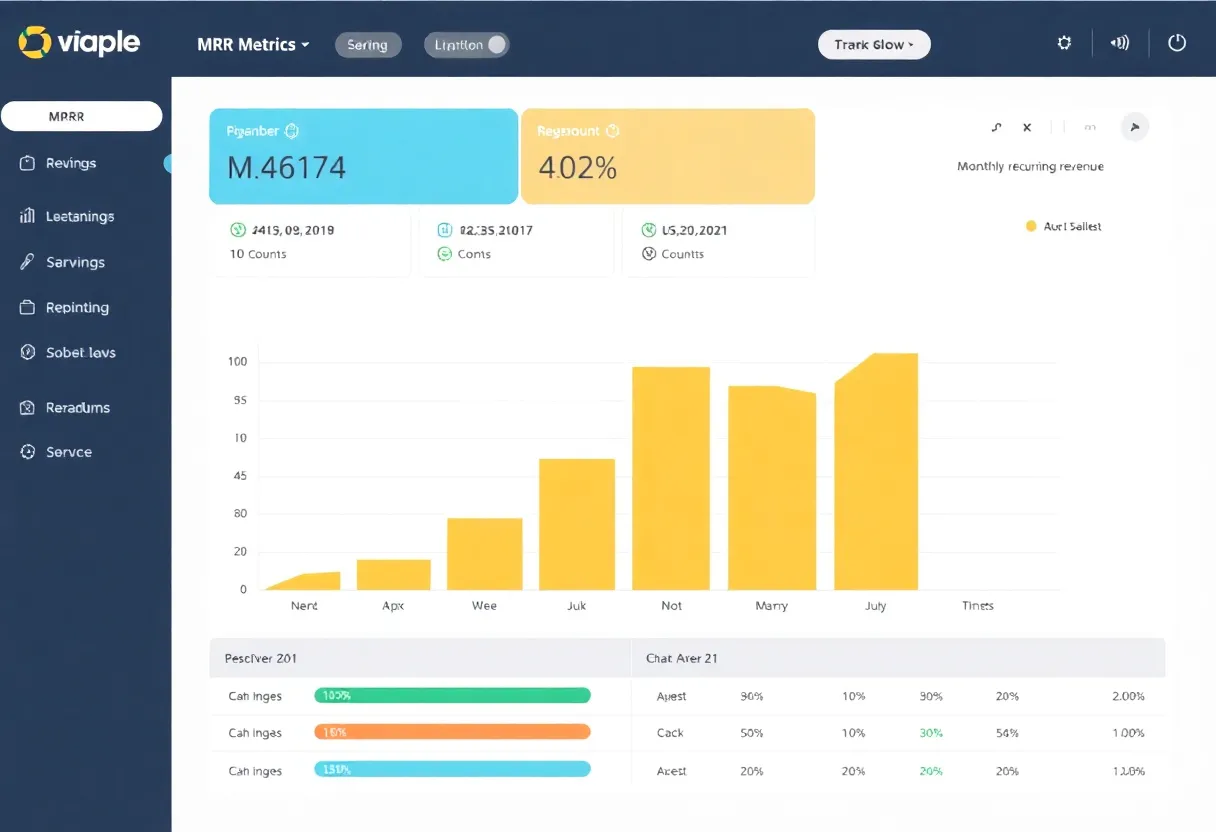
The macro numbers for indie SaaS in 2026: the median micro-SaaS product that launches and gets some traction reaches $1–3K MRR within 12 months. A minority (probably 10–15% of products that reach any revenue at all) cross $5K MRR. The top 1–2% reach the $10K+ MRR levels that make it into success posts. These numbers haven’t been comprehensively tracked, but this distribution is consistent with the reporting from platforms like Indie Hackers and from bootstrap communities.
None of this is a reason not to build. The indie hacker path is still a viable route to meaningful income and genuine autonomy for a subset of people with the right skills, audience, and problem focus. It’s a reason to enter with realistic expectations, validate willingness to pay before investing substantial build time, and treat “success story” posts as the exception rather than the baseline expectation.