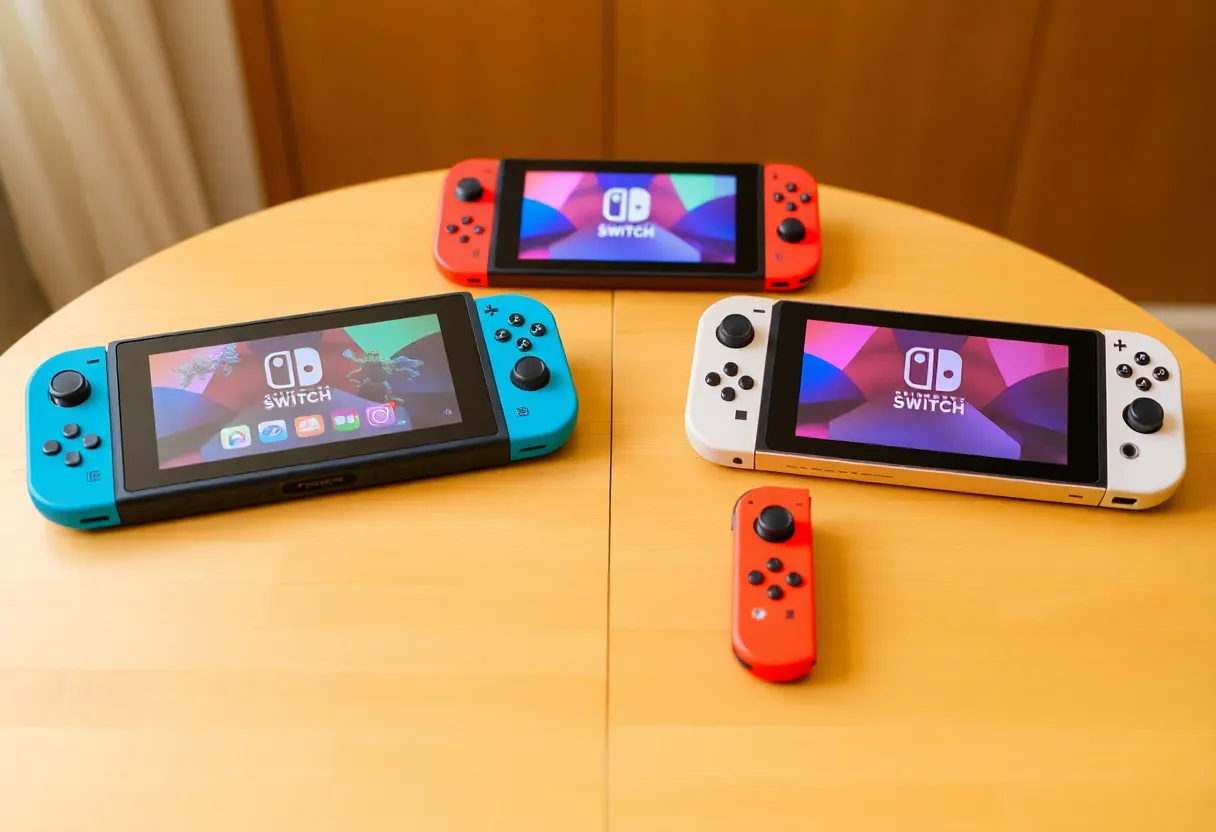
Handheld gaming used to mean Nintendo or nothing. The Switch proved that a hybrid console could sell in the tens of millions. Then the Steam Deck arrived—a Linux-based handheld that runs your Steam library—and the category exploded. Now we have the Deck, the ROG Ally, the Legion Go, and a wave of clones and alternatives. The handheld PC is real. Here’s what’s driving the resurgence and what it means for how we play.
Why Now?
Two things had to happen. First, mobile-class chips got good enough to run real games. AMD’s APUs (and now Intel’s entry into the space) deliver enough CPU and GPU in a tight power envelope that you can play AAA titles at 720p or 800p and get 30–60 fps with the right settings. Second, Steam’s library is enormous. Millions of games, most of them not built for a controller or a small screen—but enough of them work that “your PC games, portable” became a compelling pitch. Valve’s Proton layer made Windows games run on the Deck’s Linux OS, so the catalog opened up without waiting for native ports.
Combine that with a post-pandemic appetite for flexible play—gaming on the couch, on a trip, or in bed without firing up the big rig—and the market was ready. The Switch had already trained people to expect real games in their hands. The Deck and its peers offered the same freedom with a different library: the PC back catalog and indies that never made it to Nintendo.
Steam Deck: The Template
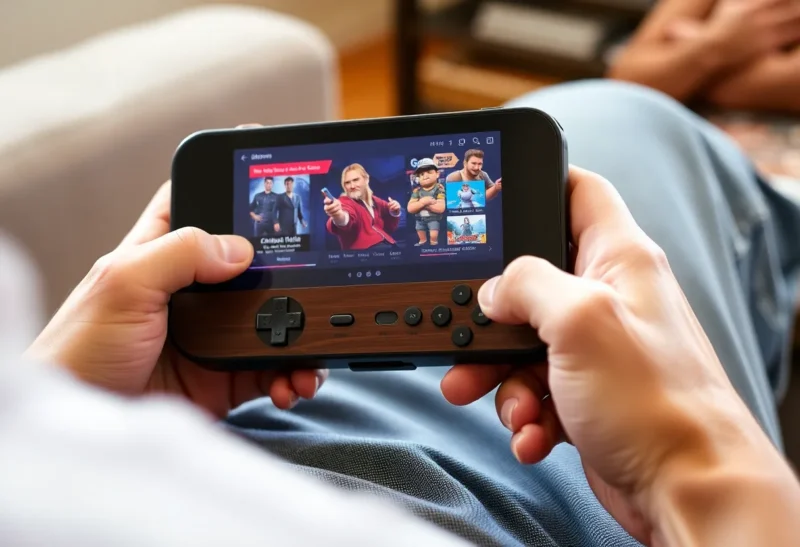
The Steam Deck set the template. A 7-inch screen, full controls, a custom AMD APU, and SteamOS (Linux + Proton). It’s not the most powerful handheld anymore—the Ally and others have faster chips—but it has the best software story: updates from Valve, a growing list of “Deck verified” games, and a community that shares settings and fixes. Battery life is okay, not great; the device is chunky. But for a lot of people, it’s the first handheld that feels like “my PC, smaller.”
Valve’s open approach helped. They didn’t lock the OS. You can install Windows if you want, or use it as a tiny desktop. That flexibility attracted tinkerers and sent a signal that the Deck was a platform, not a one-off gadget. Third-party docks, cases, and accessories followed. So did competing products that copied the form factor and the idea.
The Rest of the Field
ASUS’s ROG Ally, Lenovo’s Legion Go, and a slew of smaller brands offer similar ideas with different trade-offs. More power, sometimes worse battery life. Windows instead of SteamOS, so you get full PC compatibility and more driver headaches. Some have detachable controllers (Switch-style) or better screens. The common thread is the same: x86 chip, handheld form factor, run your PC games. Choice is good—but it also means no single device has the same “it just works” polish that the Deck has for Steam users.
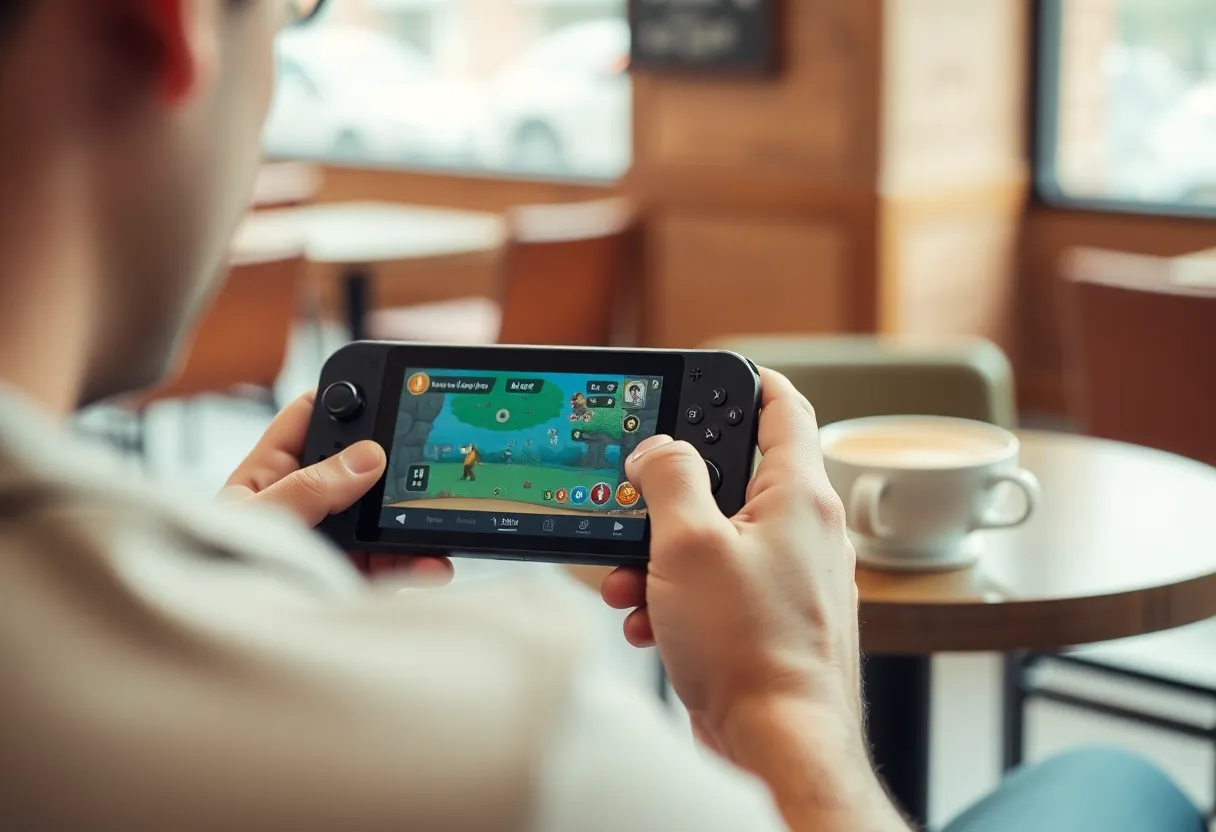
What It Means for Gaming
The handheld PC is here to stay. It won’t replace the desktop or the console for everyone—but it’s a real third option. Indie devs and smaller studios can target “Steam Deck playable” as a bar. Big publishers are paying attention; optimization for low-power, small-screen play is a thing now. And for players, the backlog is suddenly portable. Thousands of games you already own or can pick up cheap, in your hands. That’s a different way to think about gaming: not “which device do I buy for this game?” but “where do I want to play it?”
The Bottom Line
The handheld gaming resurgence is built on capable mobile chips and the sheer size of the PC library. The Steam Deck proved the category; the rest are iterating. We’re not going back to a world where handheld means Nintendo-only. Whether you choose a Deck, an Ally, or something else, the idea is the same: your games, your couch, your terms. That’s the resurgence—and it’s just getting started.